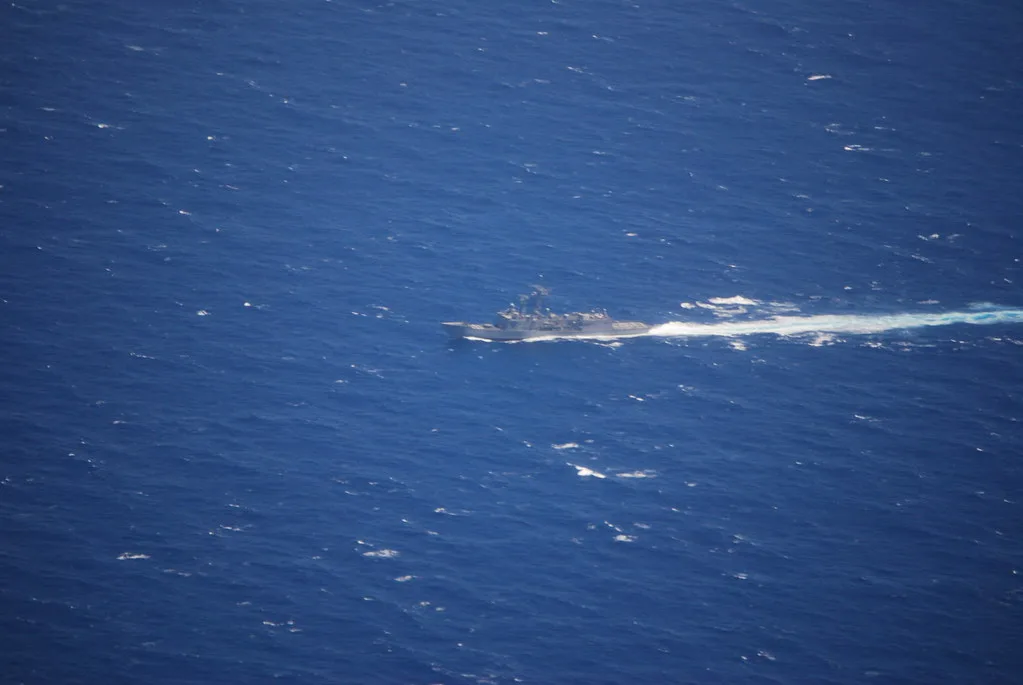








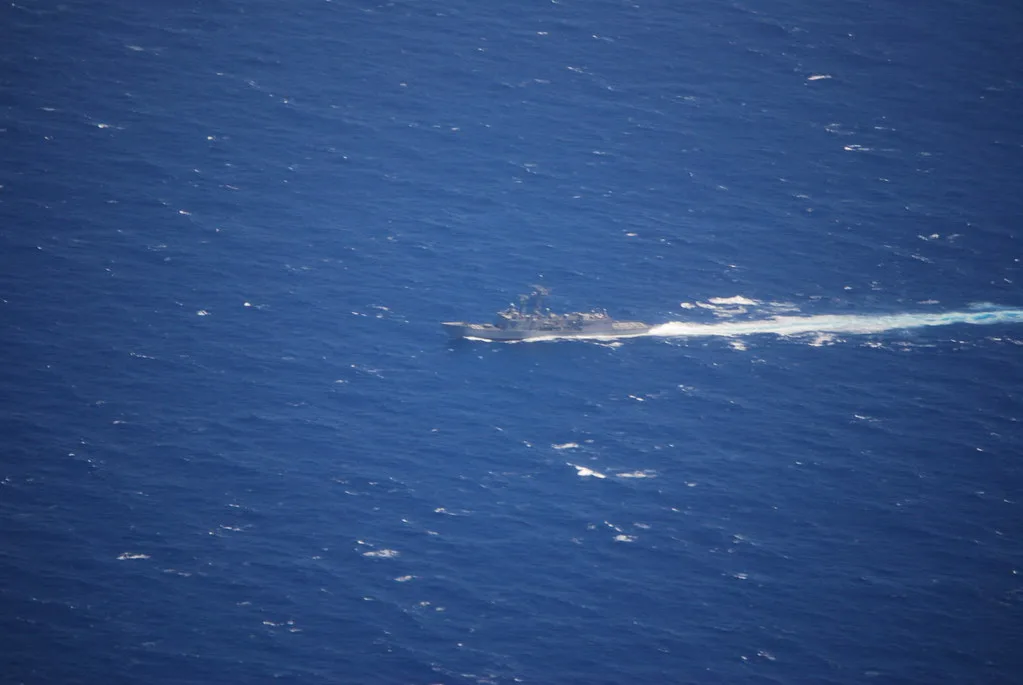
The United States military initiated a series of targeted strikes against Iranian assets on Tuesday following the downing of an American Apache helicopter over the Strait of Hormuz. President Donald Trump characterized the operation as a necessary act of self-defense, signaling a significant escalation in regional tensions that have persisted for months. The incident, which resulted in the loss of the aircraft, marks a critical turning point in the ongoing maritime standoff between Washington and Tehran.
Context of Regional Instability
The Strait of Hormuz serves as one of the world’s most vital maritime chokepoints, through which approximately 20 percent of the world’s petroleum consumption flows. Tensions in the region have been exacerbated by a series of attacks on commercial tankers and the intermittent seizure of vessels by Iranian naval forces. The U.S. has maintained a heightened military presence in the area to ensure freedom of navigation, a move that Tehran consistently labels as provocative.
Details of the Engagement
Military officials confirmed that the Apache helicopter was performing a routine patrol when it was intercepted and struck by an Iranian drone. The strike prompted an immediate tactical response from nearby U.S. naval assets, which engaged the drone operators and associated ground-based launching facilities. Pentagon press secretaries have maintained that the response was calibrated to neutralize the immediate threat posed to coalition forces.
Strategic Implications
Defense analysts suggest that the use of drone technology to target manned aircraft represents a shift in Iranian asymmetric warfare tactics. By utilizing low-cost unmanned aerial vehicles to challenge sophisticated U.S. military hardware, Tehran is testing the limits of American deterrence. Data from the Center for Strategic and International Studies indicates that such engagements increase the risk of miscalculation, potentially dragging regional powers into a broader, unintended conflict.
Expert Perspectives
Security experts emphasize that the speed of the U.S. response reflects a policy shift toward rapid, kinetic retaliation rather than prolonged diplomatic deliberation. “The administration is signaling that the threshold for direct military engagement has been lowered in response to the loss of personnel and assets,” noted a senior fellow at a Washington-based defense think tank. This posture aims to restore deterrence, though it simultaneously heightens the risk of a regional spillover.
Future Outlook
Market analysts are currently monitoring global oil prices, which spiked in the immediate aftermath of the reports. The international community is bracing for potential retaliatory measures from Iranian-backed proxies throughout the Middle East. Observers suggest that the coming days will be critical in determining whether this exchange remains a contained incident or escalates into a wider confrontation. The U.S. military remains on high alert, with additional naval reinforcements expected to arrive in the theater within the next 48 hours.