





Renewed Unrest in Northern Ireland
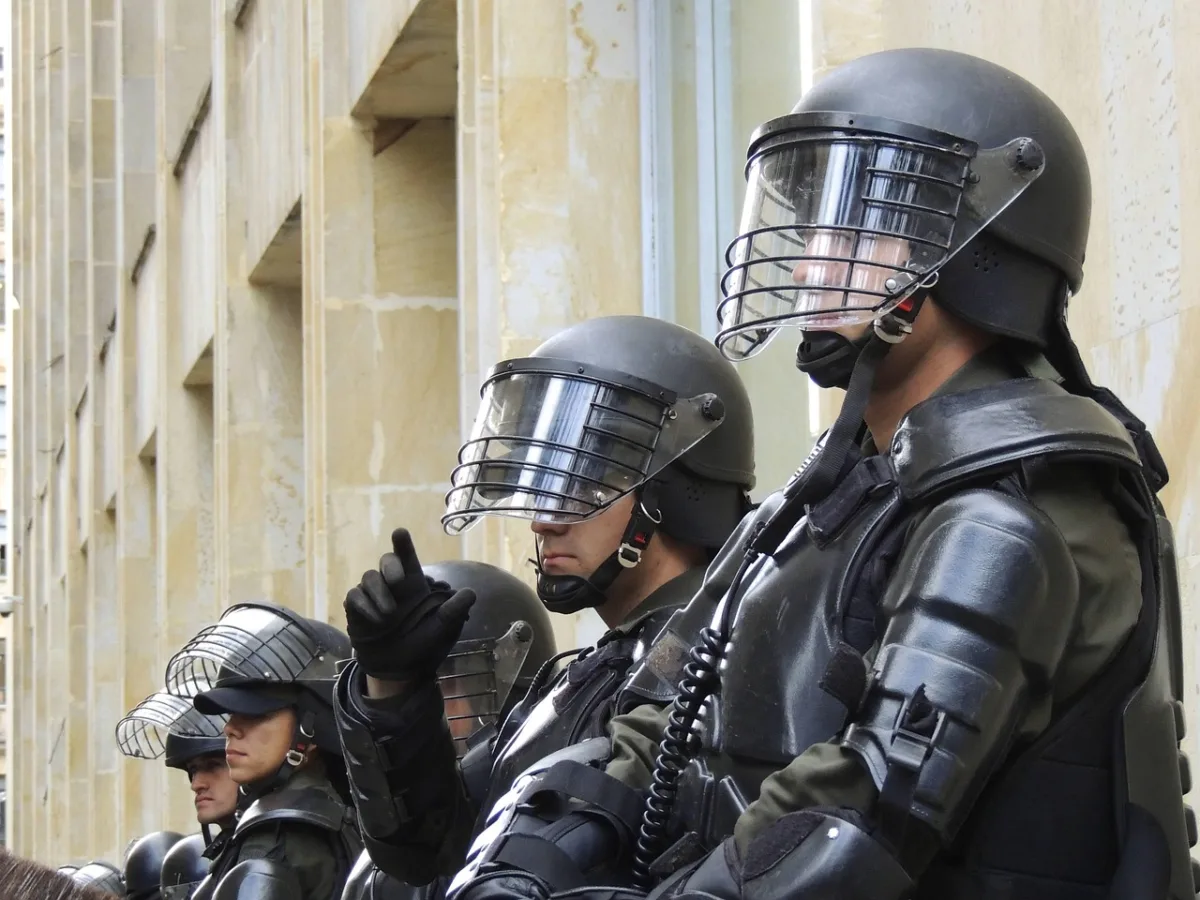
Police in Belfast deployed water cannons on Tuesday night as violent protests erupted for a second consecutive evening, triggered by a stabbing incident that has heightened sectarian tensions in the city. The Police Service of Northern Ireland (PSNI) confirmed that officers faced significant disorder, including the throwing of petrol bombs and masonry, as they attempted to disperse crowds in the aftermath of a violent attack that left a man hospitalized.
Context of the Conflict
The unrest follows a stabbing incident that occurred earlier this week, an event that has served as a flashpoint in an already fragile political climate. Northern Ireland’s history of civil unrest often sees localized incidents quickly escalate into broader community confrontations, particularly in areas where historical divisions remain palpable.
Local authorities have struggled to contain the fallout, as community leaders and politicians express concern over the potential for further destabilization. The PSNI has maintained a heavy presence in affected neighborhoods, citing the need to protect property and ensure public safety during the ongoing volatility.
Detailed Coverage and Escalation
The situation deteriorated rapidly on Tuesday evening when groups gathered at key junctions, prompting the PSNI to authorize the use of water cannons for the first time in this specific cycle of violence. Officers reported being targeted by projectiles, with several police vehicles sustaining damage during the skirmishes.
Community outreach groups have attempted to mediate between the opposing factions to prevent further violence, yet the intensity of the protests has largely outpaced these efforts. The incident has drawn sharp criticism from cross-party representatives, who have urged calm and emphasized that the criminal justice system must be allowed to process the original stabbing case without interference from street-level vigilantism.
Expert Perspectives
Security analysts suggest that the speed at which these protests organized indicates a high level of underlying frustration within the community. Dr. Fiona O’Connell, a political researcher specializing in Northern Ireland security, noted that “the presence of spontaneous violence following a singular criminal event demonstrates the deep-seated polarization that remains in Belfast, where law and order issues are frequently viewed through a sectarian lens.”
Data from the PSNI suggests that while overall crime rates in the region have remained stable, the frequency of public order incidents involving organized groups has seen a slight uptick over the last fiscal quarter. This trend complicates the work of local law enforcement, who must balance community policing with the need to suppress large-scale public disorder.
Implications for the Region
For the residents of Belfast, the immediate implication is a return to restricted movement and heightened security measures in residential corridors. Businesses in the vicinity of the protests are bracing for potential economic fallout, with many opting to board up storefronts as a precautionary measure against further looting or property damage.
Looking ahead, observers are closely monitoring the political response from the Northern Ireland Executive. The ability of local government to bridge the divide and address the root causes of the unrest will be critical in preventing a sustained period of volatility. Markets and investors are watching the situation for signs of prolonged instability, which could influence future regional development projects and tourism sectors. The coming days will be pivotal as the PSNI evaluates whether to maintain high-visibility deployments or transition toward a de-escalation strategy to restore normalcy.