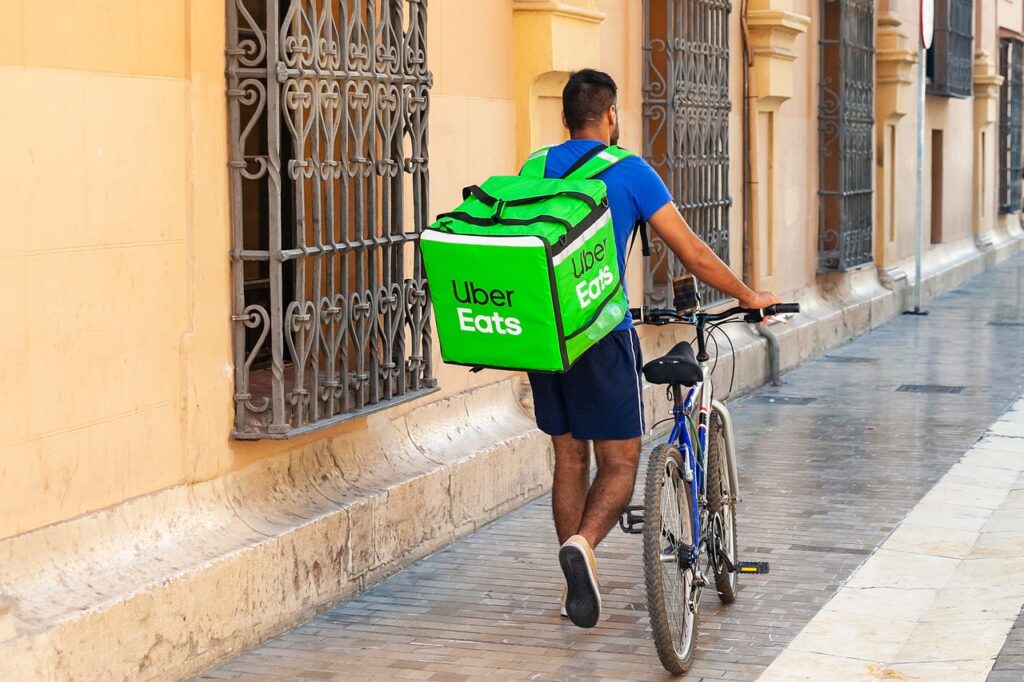

Food delivery riders in major metropolitan areas are reporting a surge in social stigma and workplace anxiety following recent high-profile police operations linking delivery platforms to illicit drug distribution. Over the past month, law enforcement agencies across several urban centers have intensified random vehicle stops and inspections of delivery bags, citing intelligence that criminal syndicates are utilizing courier services to facilitate drug trafficking.
The Growing Context of Gig Economy Policing
The gig economy has faced increasing scrutiny as authorities attempt to curb the movement of illegal substances in densely populated cities. While delivery platforms provide essential services for millions, police reports indicate that a small fraction of individuals have been caught abusing their status as couriers to bypass traditional security checkpoints.
This development has placed delivery drivers—often marginalized workers relying on precarious gig income—under a microscope. Industry advocates suggest that the sudden focus on delivery personnel has created a climate of suspicion, forcing workers to navigate both the pressures of delivery quotas and the fear of being unfairly associated with criminal activity.
Impacts on the Frontline Workforce
For the thousands of riders operating daily, the consequences of these police checks are immediate and tangible. Many workers report that increased surveillance has led to significant delivery delays, which in turn results in lower pay due to platform-based performance algorithms.
Beyond the logistical strain, there is a profound psychological toll. Workers have expressed concern that the association with drug trafficking is damaging their public image, leading to hostile interactions with customers and security guards in residential complexes. Industry surveys indicate that nearly 40% of riders have felt ‘stigmatized’ or ‘watched’ by the public since the police initiatives were publicized.
Expert Perspectives and Data
Labor experts emphasize the systemic vulnerability of this workforce. According to data from the Gig Workers Alliance, the lack of formal employment status often deprives riders of the legal protections needed to contest wrongful stops or workplace discrimination.
Dr. Elena Vance, a sociologist specializing in urban labor markets, notes that ‘when police target a specific occupation based on a small number of bad actors, it risks criminalizing an entire sector.’ She argues that the platforms themselves must shoulder more responsibility by implementing better verification processes rather than leaving individual riders to bear the brunt of public distrust.
Future Implications for the Delivery Sector
Looking ahead, the industry faces a critical juncture regarding how it manages security and public perception. Platform providers are under pressure to integrate tighter background checks and cooperate with law enforcement without compromising the privacy of their legitimate workforce.
Market analysts suggest that if the stigma continues to grow, it may lead to a shortage of labor as potential workers choose more stable, less scrutinized industries. The coming months will likely see a push for standardized, non-intrusive identification measures for all delivery personnel, as companies attempt to restore public confidence while safeguarding the livelihoods of their riders.