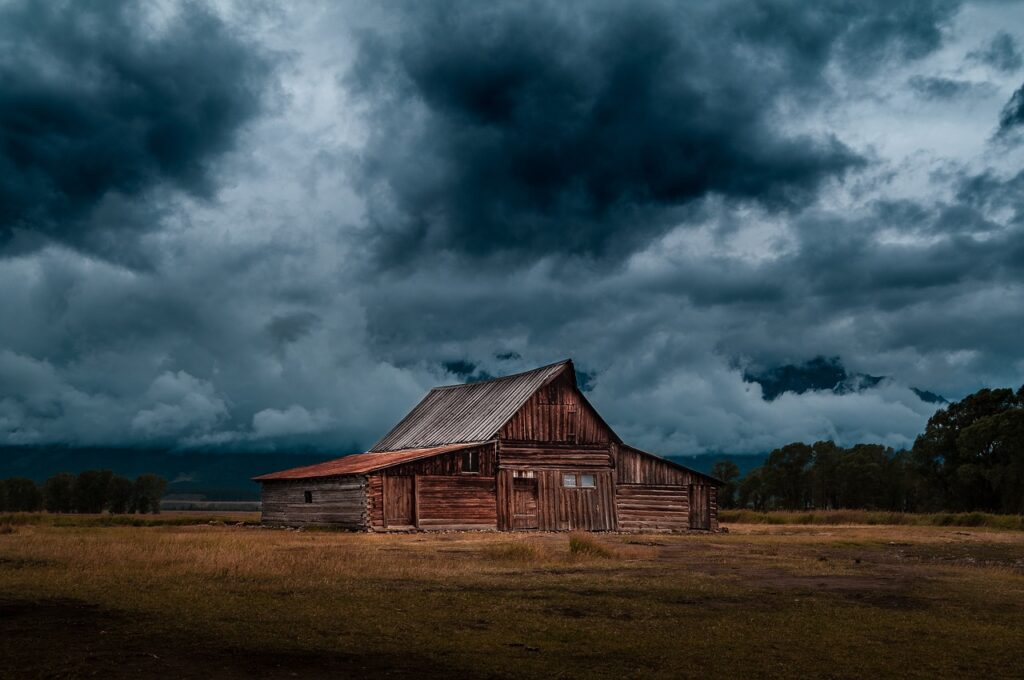

For over a decade, a dedicated collective of weather enthusiasts known as the Kolkata Cloud Chasers has spent weekends traversing the plains of West Bengal, intentionally driving into the paths of cyclones, severe thunderstorms, and lightning strikes. Equipped with sophisticated weather modeling software, real-time radar imagery, and high-speed photography gear, the group tracks volatile atmospheric shifts to capture rare meteorological phenomena while contributing to a growing archive of regional storm data.
The Evolution of Amateur Meteorology
The Kolkata Cloud Chasers emerged from a niche community of hobbyists who sought more than just static weather reports. While the India Meteorological Department (IMD) provides the foundational data for public safety, these chasers aim to bridge the gap between abstract satellite imagery and the visceral reality of storm development in the Ganges Delta.
The group’s methodology relies on a combination of open-source weather models and ground-level observation. By analyzing thermodynamic instability and moisture transport patterns, they determine the trajectory of localized ‘Kalbaishakhi’ or Nor’westers, which are notorious for their sudden, violent arrival across the Bengal landscape.
Capturing the Unseen
The primary draw for the group is the visual documentation of extreme weather, a task that requires patience and calculated risk. Members often spend hours stationary in rural districts, waiting for the precise convergence of wind shear and heat that triggers a supercell.
Beyond the aesthetic appeal of a towering cumulonimbus cloud or a jagged lightning bolt, the group emphasizes the documentation of cloud structures. These visual records often provide meteorologists with auxiliary data regarding the intensity and duration of storm cells in areas where permanent weather stations may be sparse.
Safety and Scientific Rigor
Operating in a region prone to climate-induced volatility, the group maintains a strict safety protocol. They prioritize distance and escape routes, acknowledging that the volatile nature of tropical cyclones can shift in minutes.
Meteorological experts note that citizen science, when conducted with proper equipment and caution, can offer valuable insights. By documenting the micro-climatic changes in Bengal—a region increasingly susceptible to the impacts of a warming Bay of Bengal—these enthusiasts are inadvertently building a long-term observational record of shifting weather patterns.
Future Implications for Regional Climate Tracking
The rise of groups like the Kolkata Cloud Chasers signals a broader trend in citizen-led environmental monitoring. As climate change continues to alter the frequency and intensity of extreme weather, the ability of local populations to track and document these events will become increasingly vital.
Observers should watch for increased collaboration between amateur chasers and regional academic institutions. As camera technology and mobile data connectivity improve, the potential for these groups to feed real-time, ground-level imagery into professional forecasting models could revolutionize early warning systems for rural communities across Eastern India.