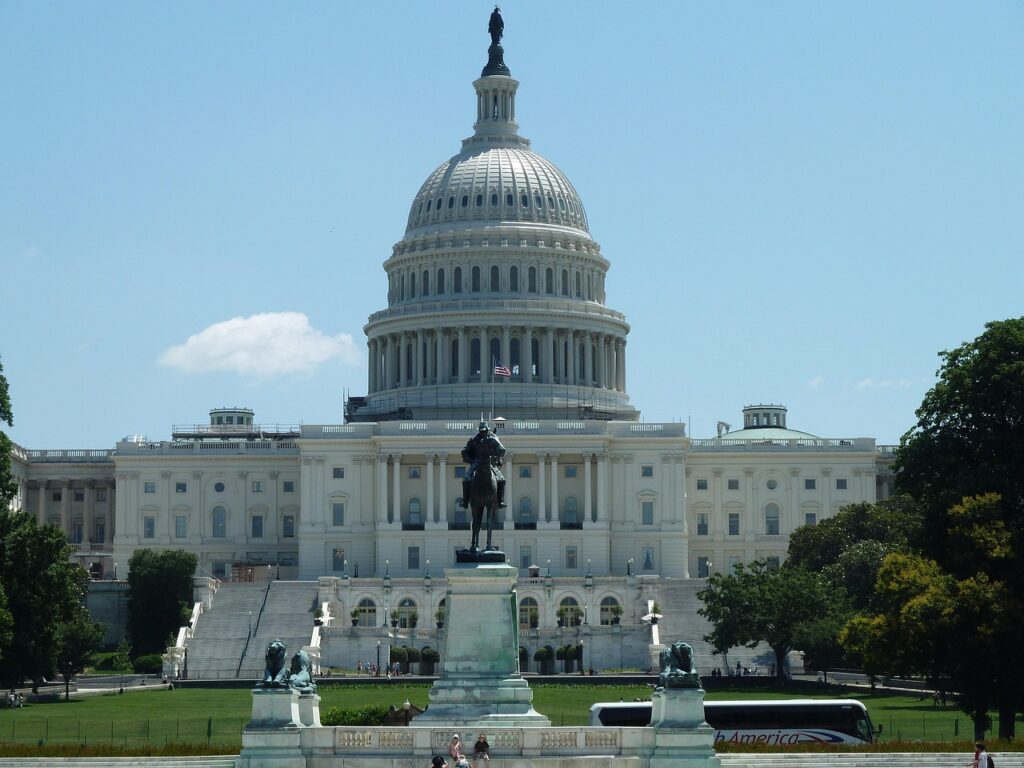

The United States Senate defeated a bipartisan measure aimed at limiting President Donald Trump’s authority to conduct military operations against Iran without explicit congressional approval during a tense Capitol Hill session this week. The vote failed to clear the necessary legislative threshold, preserving the executive branch’s broad discretionary powers to direct armed forces in the Middle East amidst escalating regional hostilities.
Contextualizing the War Powers Battle
The Senate action follows a period of intensifying brinkmanship between Washington and Tehran, marked by targeted airstrikes, cyber operations, and heightened troop deployments in the Persian Gulf. Lawmakers introduced the war powers resolution to reassert legislative oversight following rapid military escalations that bypassed formal congressional consultation.
Just days prior to the Senate vote, the House of Representatives adopted a separate measure rebuking the administration’s unilateral military decisions. That House vote reflected growing anxiety among lawmakers that uncoordinated strikes could unintentionally trigger a broader regional war.
The legislative friction centers on the War Powers Resolution of 1973, a Vietnam-era statute designed to limit the president’s ability to initiate or escalate military actions without congressional consent. While the Constitution grants Congress the exclusive power to declare war under Article I, commanders-in-chief have routinely cited Article II executive authority to conduct short-term military interventions abroad.
Partisan Divides and Constitutional Debates
The Senate roll call demonstrated a familiar policy divide on Washington’s foreign strategy, with lawmakers split over the balance between national security agility and constitutional oversight. The debate on the Senate floor highlighted fundamentally opposing views on executive war authority during an active foreign policy crisis.
Opponents of the resolution argued that restricting the commander-in-chief’s decision-making capacity would signal hesitation to adversaries and undermine military deterrence. Senate leadership maintained that the president requires immediate operational flexibility to protect American military personnel and diplomatic assets deployed throughout the region.
Supporters of the measure countered that long-term strategic commitments require democratic consensus and legislative approval. They argued that executive actions without clear statutory authorization risk dragging the nation into another costly, protracted conflict in the Middle East without a defined exit strategy.
Expert Perspectives and Institutional Precedents
Constitutional scholars and foreign policy analysts note that congressional efforts to enforce war powers limitations face formidable legal and political barriers. Without a veto-proof supermajority in both chambers, legislative attempts to curb executive military action rarely translate into binding policy changes.
Data from public policy centers indicates that major foreign policy interventions over the last three decades have increasingly relied on executive orders and existing Authorizations for Use of Military Force (AUMFs) rather than fresh declarations of war. This ongoing shift has progressively concentrated national security authority within the White House.
Foreign relations experts highlight that congressional pushback often serves a political and symbolic purpose, even when legislation fails to pass. Public debates on Capitol Hill signal domestic political friction to foreign adversaries and international allies alike, potentially influencing executive calculus behind closed doors.
Broader Implications and Future Outlook
The rejection of the war powers measure leaves the White House with unhindered executive authority to deploy military assets and respond to Iranian actions across the region. Pentagon planners will continue operations under current defensive mandates without immediate legislative constraints on force posture or tactical decisions.
Attention now shifts to upcoming national defense authorization debates, where congressional opponents may attempt to attach funding restrictions to specific military actions in the Middle East. Lawmakers are expected to pursue alternative oversight mechanisms, including mandatory intelligence briefings and required reporting on strike targets.
Diplomatic observers will watch closely for international reactions as allied nations assess Washington’s unified posture and decision-making apparatus. The coming weeks will reveal whether Capitol Hill can forge alternative bipartisan frameworks to balance constitutional authority against the demands of rapid military crisis response.