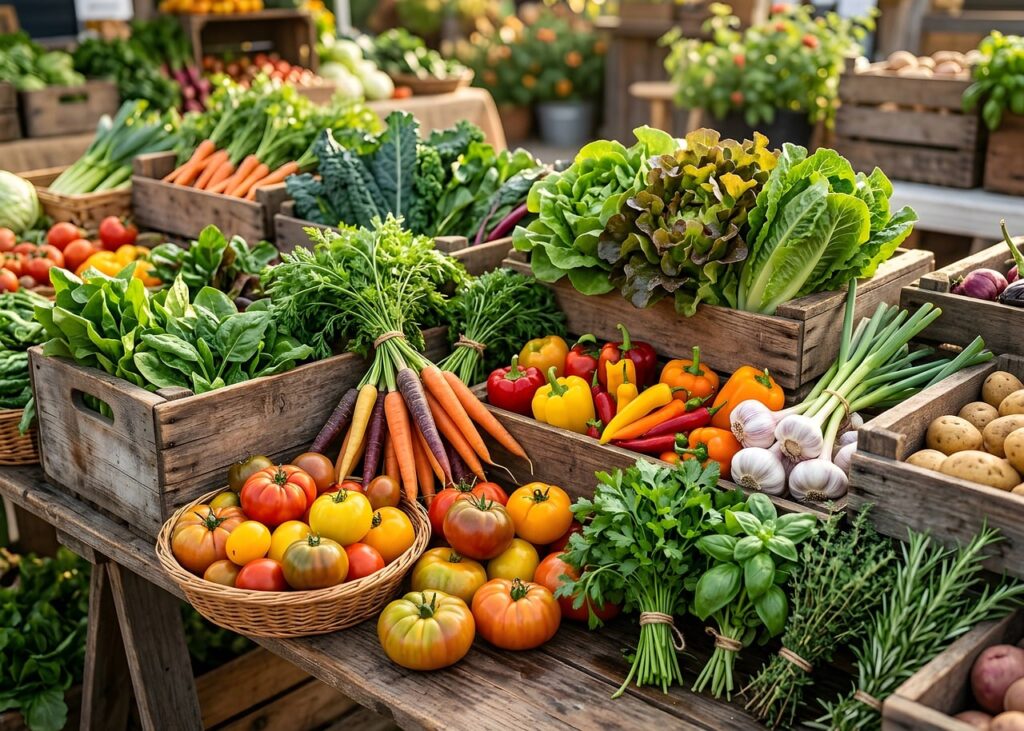

Consumer buying habits have shifted dramatically across the United States this week following a widespread health advisory regarding commercially packaged salads. Local produce vendors and independent farmers’ markets report an unprecedented surge in customer foot traffic as shoppers seek alternatives to supermarket greens. According to official reports, this sudden pivot stems from a public health investigation linking large-scale commercial lettuce distributions to a rising number of Cyclospora infections.
Background and Context
Cyclospora cayetanensis is a microscopic parasite that typically affects the digestive system, causing symptoms such as severe abdominal cramping, nausea, and prolonged fatigue. Federal health agencies routinely trace such outbreaks back to contaminated irrigation water or soil within massive agricultural supply chains. Mass-produced bagged salads and centralized distribution networks often aggregate produce from multiple mega-farms, complicating rapid containment efforts when contamination occurs.
Historically, commercial salad kits dominate grocery store aisles due to convenience and year-round availability. However, these complex supply chains inherently carry higher vulnerability risks during foodborne illness outbreaks. Conversely, localized agriculture typically utilizes independent water sources and shorter distribution paths, which health officials note can limit the cross-contamination scope seen in industrial agriculture.
Latest Developments and Key Facts
Recent data indicates that sales of mass-market salad kits have plummeted by over forty percent in affected regions. Major supermarket chains have removed specific pre-packaged lettuce brands from their refrigerated displays as a precautionary measure. Meanwhile, neighborhood farm stands and community-supported agriculture programs are experiencing inventory shortages due to the sudden influx of buyers.
Market vendors note that consumers are asking detailed questions about harvest origins before making purchases. Independent growers emphasize transparency, often displaying farm locations and harvest dates directly on their display tables. According to agricultural extension reports, regional producers are working extended hours to meet the unexpected consumer demand.
Economic Impact on the Industry
The outbreak has created a sharp economic divergence within the agricultural sector. Large-scale distributors face significant financial losses from product recalls and diminished consumer trust. Industry analysts suggest that major corporate agricultural entities will likely accelerate investments in traceability technology to restore market confidence.
On the other end of the spectrum, small-scale farmers are enjoying a profitable season that compensates for earlier weather-related setbacks. Local economies benefit as shoppers purchase directly from regional growers rather than multinational retail corporations. Experts emphasize, however, that sustained local demand will depend heavily on whether independent farms can scale operations without compromising safety protocols.
What to Watch Next
Public health authorities continue to monitor infection rates and investigate the definitive root cause of the current outbreak. Consumers should watch for updated guidance from food safety agencies regarding when commercial bagged salads might safely return to shelves. Agricultural economists will also evaluate whether this shift toward local sourcing represents a permanent change in consumer behavior.
Disclaimer: This article is published for general news and informational purposes only. While every effort has been made to ensure accuracy, readers are advised to verify important information from official sources. The publisher shall not be responsible for any loss or inconvenience arising from reliance on the information published.