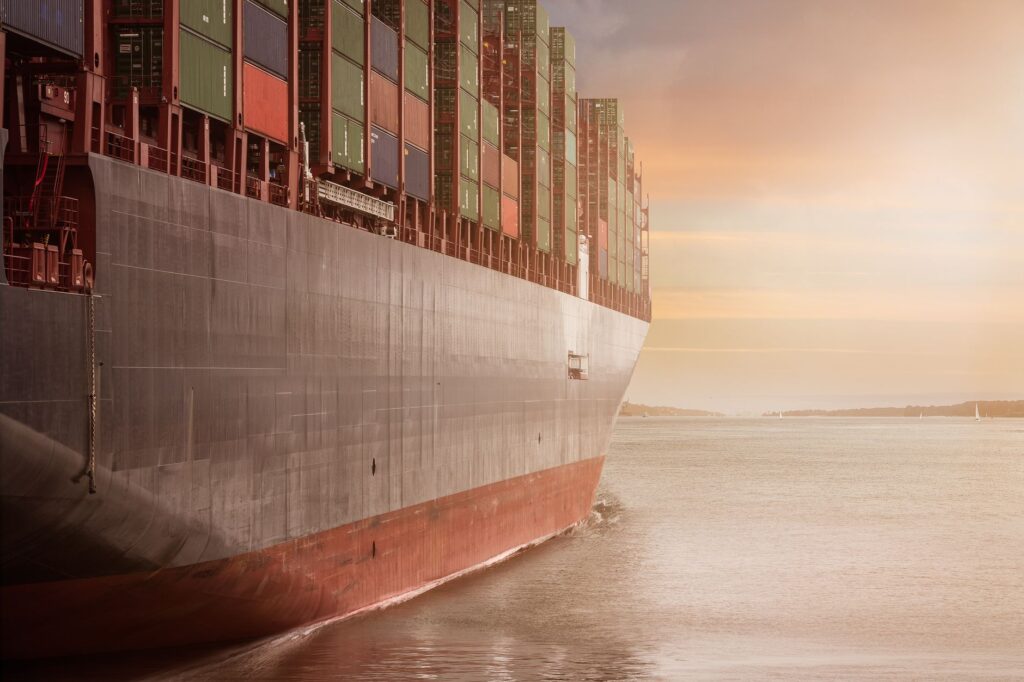

Recent geopolitical conflicts centered around Iran have dramatically illustrated the fragility of international maritime trade routes. According to official reports, ongoing security crises in the Strait of Hormuz are currently forcing global shipping lines to reroute vessels, driving up operational costs and delaying the delivery of goods worldwide. This disruption thousands of miles away from North America is rapidly translating into tangible economic pressures for everyday consumers.
Maritime chokepoints serve as critical arteries for the global economy, facilitating the movement of energy supplies, manufactured goods, and raw materials. When military escalation threatens these narrow passages, carriers must choose between costly security delays or protracted alternative voyages around entire continents. Official data shows that maritime transit through key strategic straits accounts for a substantial percentage of total global trade volume.
Industry analysts indicate that freight rates have surged significantly over recent weeks as a direct consequence of these regional instabilities. Insurance premiums for vessels operating in volatile waters have also escalated sharply, compounding the financial burden on shipping companies. These rising transportation expenses are subsequently being absorbed by manufacturers and ultimately passed down to retail purchasers.
The current situation underscores a broader vulnerability within modern supply chains that rely heavily on just-in-time delivery models. According to economic experts, prolonged blockages or security threats in vital waterways can trigger inflationary pressures across multiple sectors, ranging from energy to consumer electronics. Businesses that depend on imported components are already experiencing inventory bottlenecks and extended lead times.
As the international community monitors the unfolding situation, policymakers and corporate leaders are re-evaluating long-term risk management strategies. Diversifying supply routes and increasing domestic manufacturing capacity are emerging as primary topics of discussion among industry stakeholders. Observers note that future resilience will depend heavily on geopolitical stability and international cooperation to keep maritime corridors open.
Stakeholders will be watching closely for diplomatic interventions or naval security initiatives designed to restore safe passage through the affected regions. At the same time, businesses are bracing for sustained volatility in logistics markets well into the foreseeable future. Consumers should anticipate continued price adjustments as the full economic ripple effects of the maritime disruptions continue to materialize.
Disclaimer: This article is published for general news and informational purposes only. While every effort has been made to ensure accuracy, readers are advised to verify important information from official sources. The publisher shall not be responsible for any loss or inconvenience arising from reliance on the information published.