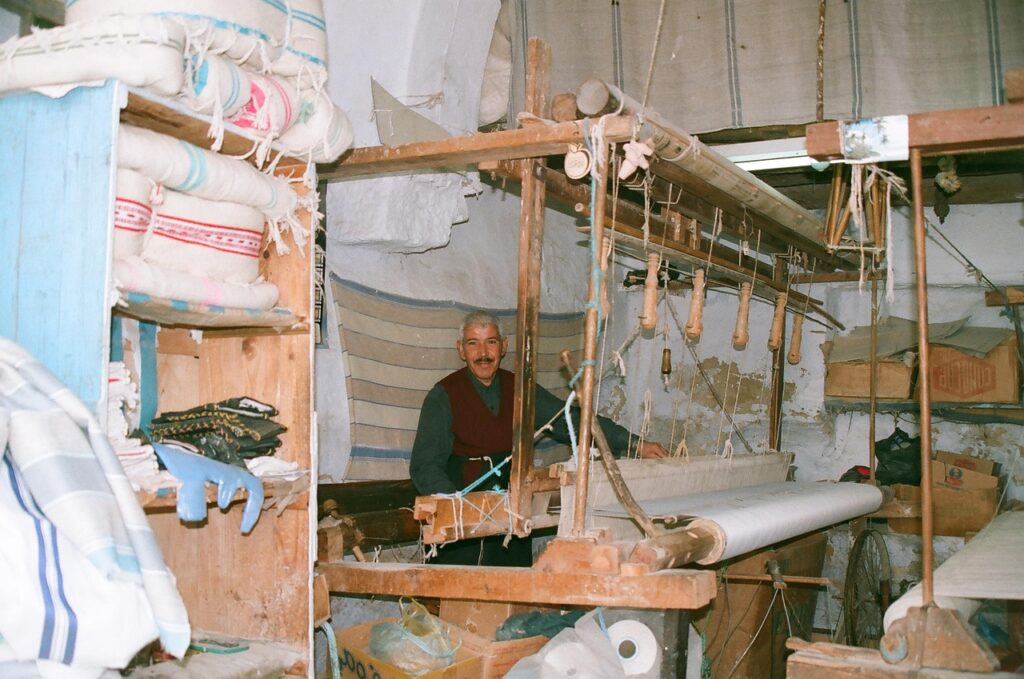

The Nurpu Handloom Collective has announced a comprehensive educational workshop focused on traditional handspinning and handloom weaving techniques, scheduled to take place in Chennimalai.
This initiative aims to reconnect enthusiasts with the foundational methods of textile production by demonstrating the complete lifecycle of a woven fabric. Participants will explore every stage of creation, beginning with raw fiber processing and culminating in the operation of traditional handlooms.
Chennimalai boasts a rich, historic legacy in the textile sector, serving as a prominent hub for traditional weaving crafts in the region. According to official reports, local artisans have sustained these generational practices for decades, making the town an ideal venue for educational cultural programs.
The upcoming event is designed to address a growing public interest in sustainable fashion and artisanal heritage. Organizers state that the curriculum offers attendees a rare opportunity to learn directly from master weavers who possess deep expertise in indigenous textile arts.
Latest developments indicate that the workshop will cover essential skills, including fiber preparation, spinning wheel mechanics, warp setting, and intricate loom operation. Official data shows a steady rise in consumer appreciation for handloom products, driven by a desire for environmentally conscious alternatives to mass-produced garments.
Industry analysts note that educational programs of this nature play a vital role in preserving endangered craft traditions and supporting rural artisan economies. By fostering greater consumer awareness, initiatives like the Nurpu Handloom Collective workshop help ensure the long-term viability of handloom weaving.
Participants and local businesses stand to benefit from the renewed attention directed toward traditional craftsmanship. Observers suggest that increased engagement with handloom practices can stimulate local tourism and create new market pathways for authentic artisan goods.
Observers will monitor whether similar educational campaigns expand to other textile-centric regions across the country. Stakeholders are also keen to see if increased grassroots participation translates into sustained economic support for independent handloom weavers.
Disclaimer: This article is published for general news and informational purposes only. While every effort has been made to ensure accuracy, readers are advised to verify important information from official sources. The publisher shall not be responsible for any loss or inconvenience arising from reliance on the information published.