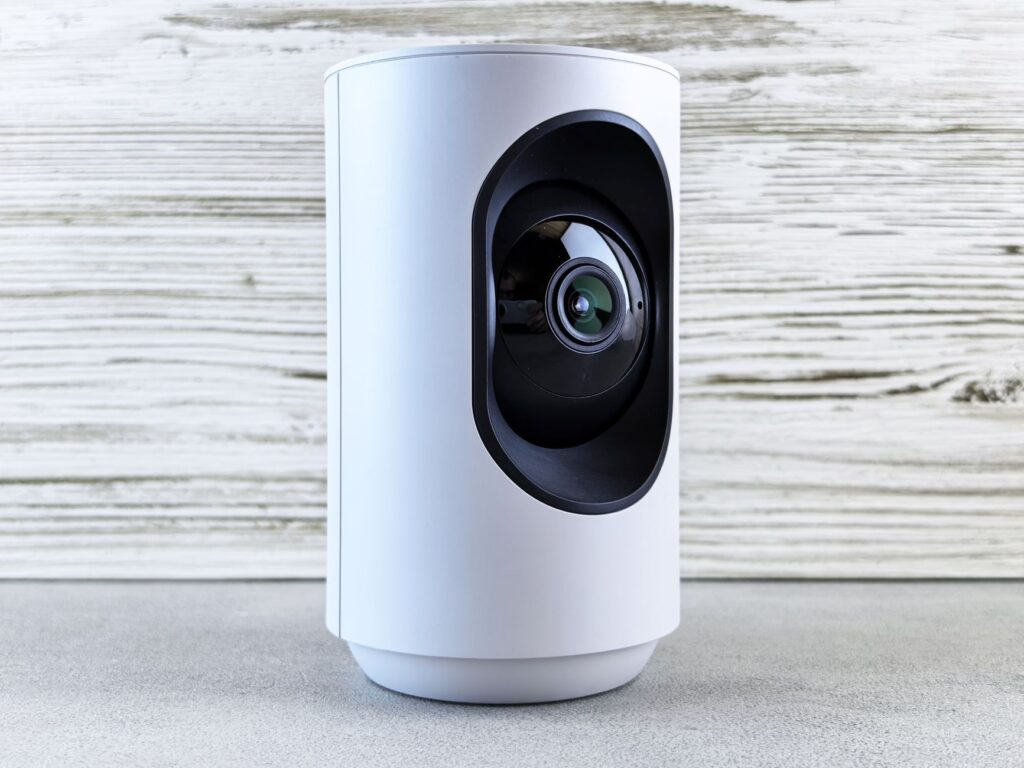

Selecting the ideal security camera for a residence requires a careful evaluation of specific monitoring goals rather than simply purchasing the most expensive device available on the market. Modern surveillance technology offers a wide array of choices, ranging from simple indoor monitors to rugged outdoor units designed to withstand severe weather conditions. Understanding the unique requirements of a property ensures that homeowners invest in equipment that delivers optimal performance and reliable protection without paying for excessive specifications that go unused.
Assessing Your Security Requirements
Before browsing through available surveillance systems, property owners must evaluate their specific safety concerns and physical environment. Indoor monitoring typically focuses on pet observation, child safety, or entryway tracking, which demands wide-angle lenses and clear two-way audio capabilities. Conversely, outdoor surveillance prioritizes weather resistance, night vision range, and motion detection accuracy to deter potential intruders before they reach the main entrance.
Identifying the primary objective helps narrow down the vast selection of available devices. For instance, apartment dwellers often require compact, easily repositioned units that do not demand permanent wall installation. On the other hand, larger standalone houses benefit from comprehensive outdoor setups capable of covering multiple blind spots simultaneously. By matching device capabilities to actual daily requirements, buyers avoid the common pitfall of acquiring overly complex systems that complicate routine usage.
Option One: The Compact Indoor Monitor
Designed primarily for apartment living and interior spaces, the first category focuses on discretion and ease of placement. These devices usually feature magnetic bases or simple tabletop stands, allowing residents to reposition them effortlessly. While they lack heavy-duty weatherproofing, they excel at delivering high-definition video feeds directly to mobile applications. Essential functions typically include motion alerts and infrared night vision, making them ideal for monitoring living rooms or nursery spaces during both day and night.
Option Two: The Weatherproof Outdoor Defender
For properties requiring perimeter security, the second option provides robust construction built to endure rain, dust, and extreme temperatures. These cameras are engineered to be mounted securely on exterior walls or eaves. They often incorporate advanced infrared sensors and high-lumen spotlight integrations to capture clear, full-color footage even in total darkness. Their primary advantage lies in active deterrence features, such as audible alarms and flashing lights designed to discourage unauthorized access.
Option Three: The Versatile Pan-And-Tilt Unit
Large interior spaces demand surveillance solutions capable of eliminating blind spots without requiring multiple camera installations. The third category features motorized pan-and-tilt functionality, enabling users to remotely rotate the lens across a broad horizontal and vertical range. Property owners can track movement manually via smartphone apps or configure the device to patrol preset locations automatically. This flexibility makes it a favorite among pet owners who need to keep moving animals within view across expansive rooms.
Option Four: The Battery-Powered Wireless Solution
Wiring exterior surveillance equipment can present significant challenges, particularly for renters or properties lacking convenient power outlets near entry points. The fourth choice addresses this issue through high-capacity rechargeable battery packs and robust wireless connectivity. These units offer flexible placement anywhere around the perimeter. Advanced power-saving algorithms ensure that the battery lasts for months between charges by activating the recording mechanism only when significant human motion is detected.
Option Five: The Floodlight Integrated Camera
Combining intense illumination with high-definition recording, the final option serves as a powerful dual-purpose security asset. Positioned typically above garages or main driveways, this device replaces traditional outdoor lighting fixtures. When motion sensors trigger the ultra-bright LED floodlights, any potential intruder is immediately exposed while the camera records crisp, detailed footage. This setup acts as a strong psychological deterrent while simultaneously improving nighttime visibility for residents returning home after dark.
Making the Final Selection
Choosing the right surveillance device ultimately comes down to balancing functionality, installation constraints, and budget considerations. Homeowners should prioritize core attributes like video clarity, reliable mobile connectivity, and secure cloud or local storage options. By focusing on practical utility rather than chasing unnecessary technical specifications, buyers can establish a dependable safety network that offers genuine peace of mind.