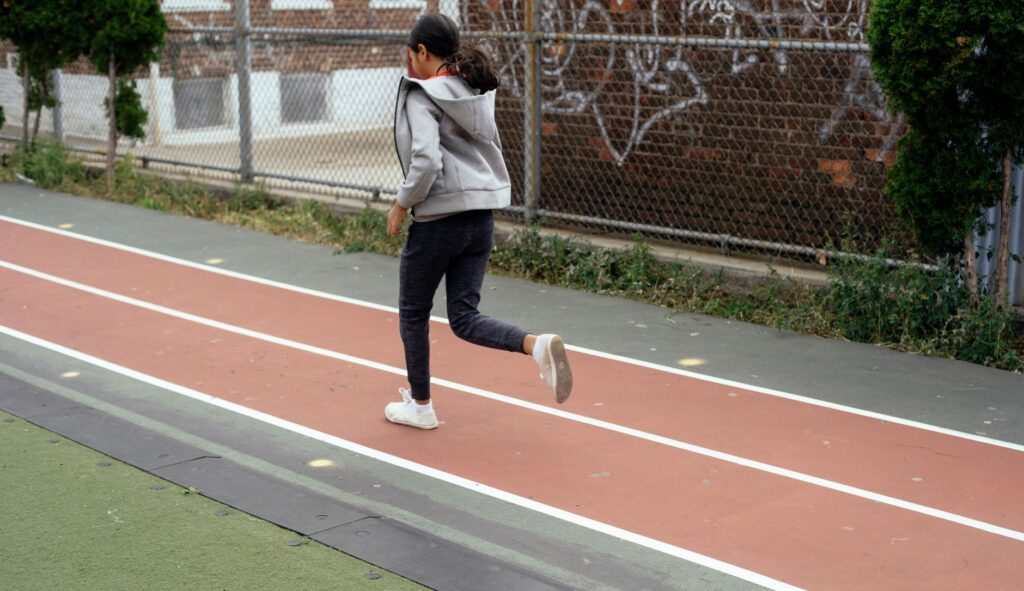

Gait analysis, a sophisticated diagnostic and forensic tool that evaluates the biomechanics of human movement, has recently moved into the public spotlight following its application in the high-profile death investigation of Ketan Agarwal. By measuring the unique patterns of how an individual walks, investigators and medical professionals can identify subjects or track the progression of musculoskeletal pathologies, marking a significant intersection between clinical science and criminal justice.
The Science of Human Motion
At its core, gait analysis involves the systematic study of human locomotion using instrumentation such as force plates, electromyography, and high-speed motion capture systems. Clinical specialists examine the synchronization of muscles, joints, and skeletal structures to determine how a person shifts weight and propels themselves forward.
In a medical setting, this data provides objective metrics that subjective observation often misses. Doctors use these findings to design personalized rehabilitation programs, monitor recovery from orthopedic surgeries, or diagnose neurodegenerative conditions like Parkinson’s disease, which often manifest in specific gait irregularities.
Forensic Utility and Challenges
In the legal and investigative sectors, gait analysis is increasingly utilized as a form of biometric identification. Forensic experts analyze video footage to identify individuals based on their unique walking stride, cadence, and posture, often when facial recognition is obstructed or unavailable.
However, the application of gait analysis in criminal investigations remains a subject of intense debate among experts. While some forensic podiatrists argue that gait is as unique as a fingerprint, defense attorneys and scientific critics point to variables such as footwear, terrain, fatigue, and injury as factors that can alter an individual’s natural movement, potentially leading to errors in identification.
According to the American Academy of Forensic Sciences, the reliability of gait analysis depends heavily on the quality of the video evidence and the expertise of the analyst. The transition from clinical observation to courtroom evidence requires a high threshold of scientific validation to ensure that conclusions are based on reproducible data rather than subjective interpretation.
Broader Industry Implications
The growing reliance on biometric gait data signals a shift toward more complex evidence in digital forensics. As surveillance technology becomes ubiquitous, the ability to process and verify movement patterns is becoming a standard requirement for law enforcement agencies worldwide.
For the healthcare industry, the integration of artificial intelligence into gait analysis is set to revolutionize patient care. AI algorithms can now detect subtle deviations in gait that may predict falls in elderly patients or identify the early onset of mobility-related disorders months before physical symptoms become apparent.
Future Trends and Considerations
Looking ahead, the integration of wearable sensor technology will likely broaden the accessibility of gait analysis, moving it out of specialized laboratories and into everyday environments. While this promises significant breakthroughs in preventative medicine, it also raises critical questions regarding privacy and the ethical use of biometric data.
Observers should monitor upcoming legal precedents that address the admissibility of gait analysis in court. As the science matures, the standardization of methodologies will be the deciding factor in whether gait analysis becomes a bedrock of forensic science or remains a supplementary tool prone to scrutiny.