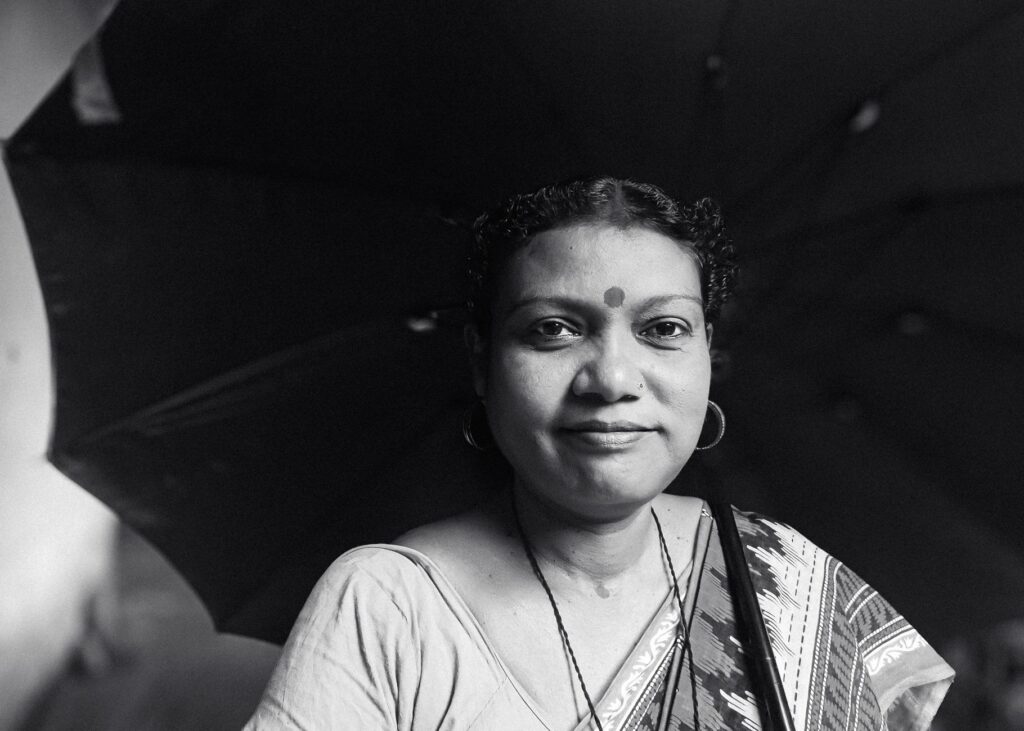

Deep Roots in the Niyamgiri Hills
In the rugged Niyamgiri hills of Odisha, India, the Dongria Kondh community continues to sustain a unique way of life defined by an ancestral connection to their forest environment. As one of India’s officially designated Particularly Vulnerable Tribal Groups (PVTGs), this indigenous population has maintained traditional agricultural practices and spiritual beliefs for generations, despite increasing pressure from industrial development and modern encroachment.
The community’s existence is inextricably linked to the Niyamgiri mountain range, which they regard as a sacred entity. Their daily rhythms are dictated by seasonal cycles, emphasizing a reciprocal relationship with the biodiversity of the region.
A Legacy of Land and Sovereignty
The Dongria Kondh’s history is marked by a long-standing struggle to preserve their ancestral lands from large-scale mining operations. Their resistance, which gained international attention over the last decade, centers on the protection of the Niyamgiri hills, which are rich in bauxite deposits but also serve as the primary watershed for the region.
According to the 2011 Census of India, the PVTG status affords the community specific legal protections designed to safeguard their culture and economic autonomy. However, the balance between state-led industrialization and the preservation of traditional tribal livelihoods remains a point of significant contention in regional development policies.
The Intersection of Faith and Subsistence
Agriculture remains the cornerstone of the Dongria Kondh economy, characterized by shifting cultivation and the harvesting of forest produce. They manage a diverse array of crops, including millets, pulses, and wild fruits, which are essential for nutritional security and cultural identity.
Anthropological studies indicate that their farming techniques are not merely subsistence-based but are deeply rooted in ecological conservation. By rotating crops and respecting the regenerative capacity of the forest, the community maintains the soil health of the Niyamgiri slopes. Their faith, centered on the deity Niyam Raja, reinforces these practices, as the mountains are considered both a god and a provider.
Socio-Economic Pressures and Modernization
While the community maintains strong traditional ties, modern socioeconomic pressures are increasingly visible. Access to education, healthcare, and infrastructure remains uneven, leading to debates about how to integrate essential services without eroding the community’s social fabric.
Advocacy groups emphasize that development initiatives must be community-led rather than top-down. The challenge lies in providing the Dongria Kondh with the tools for modern health and connectivity while ensuring they retain control over their land rights and traditional knowledge systems.
Looking Ahead
The future of the Dongria Kondh hinges on the ongoing implementation of the Forest Rights Act and the recognition of their role as stewards of the Niyamgiri ecosystem. Observers are closely watching how state policies will balance mineral extraction interests with the constitutional rights afforded to indigenous groups.
The preservation of the Dongria Kondh culture is increasingly viewed as a template for global indigenous rights movements. As climate change impacts local biodiversity, the traditional ecological knowledge held by the community may prove vital for regional conservation strategies. Monitoring the legal precedents established in the Odisha courts will be critical for determining the long-term survival of their autonomy.