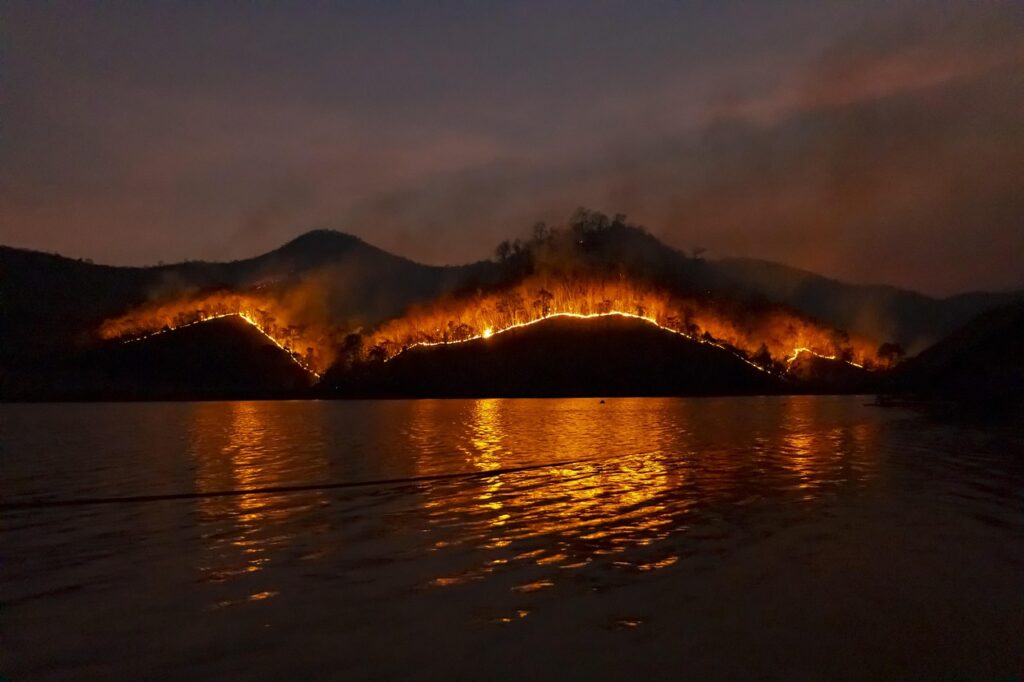

A fast-moving wildfire known as the Aspen Acres Fire has destroyed at least 55 homes in Custer County and consumed more than 100 structures across Pueblo County, according to emergency management officials on Tuesday. The blaze, which ignited late last week, forced thousands of residents to evacuate as erratic winds pushed flames through dense timber and dry brush in the southern Colorado region.
The Growing Threat of Wildland-Urban Interface Fires
Colorado has faced an increasingly volatile wildfire season, driven by prolonged drought conditions and rising average temperatures. The Aspen Acres Fire is part of a broader trend where residential development encroaches further into wildland areas, creating what experts call the wildland-urban interface (WUI).
In these zones, structures are highly susceptible to embers carried by wind, which can ignite homes miles away from the primary fire line. This specific incident marks one of the most destructive events for the region in recent years, highlighting the vulnerability of rural mountain communities.
Detailed Impact and Emergency Response
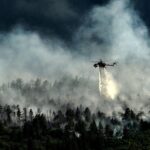
Local fire departments, supported by state and federal resources, have struggled to contain the perimeter due to rugged, inaccessible terrain. Aerial support, including air tankers and helicopters, has been deployed to drop fire retardant; however, high winds have frequently grounded these efforts.
As of Wednesday, Custer County officials confirmed that 55 residential properties were completely lost. In adjacent Pueblo County, the damage is even more widespread, with authorities reporting that over 100 structures—including outbuildings, barns, and homes—have been razed by the advancing fire front.
“The speed at which this fire moved caught many residents off guard,” said a spokesperson for the regional emergency operations center. “Our current priority remains life safety and securing containment lines around the most populated subdivisions.”
Expert Perspectives on Climate and Mitigation
Fire ecologists point to a combination of fuel accumulation and low humidity as the primary drivers of the rapid spread. According to data from the National Interagency Fire Center, Colorado’s fire seasons now start earlier and last longer than they did three decades ago.
Experts suggest that home hardening—such as installing metal roofs, clearing defensible space, and using ember-resistant vents—is essential for survival in these high-risk areas. “We are seeing fires that behave differently than they did twenty years ago,” noted a climate researcher familiar with the region. “The drying of the landscape means that even minor ignitions can quickly become catastrophic events.”
Implications for Residents and Future Planning
For the residents of Custer and Pueblo counties, the aftermath presents a daunting recovery process involving insurance claims and structural rebuilding. The financial impact on the local tax base and the long-term mental health toll on displaced families remain significant concerns for local government.
Looking ahead, the focus will shift toward long-term mitigation and land-use policies. State lawmakers are expected to debate stricter building codes for WUI zones, while forest management agencies will likely push for more aggressive thinning projects to reduce combustible fuel loads. Observers should monitor the containment percentages over the next 72 hours, as weather forecasts indicate a potential shift in wind direction that could challenge current containment strategies.