






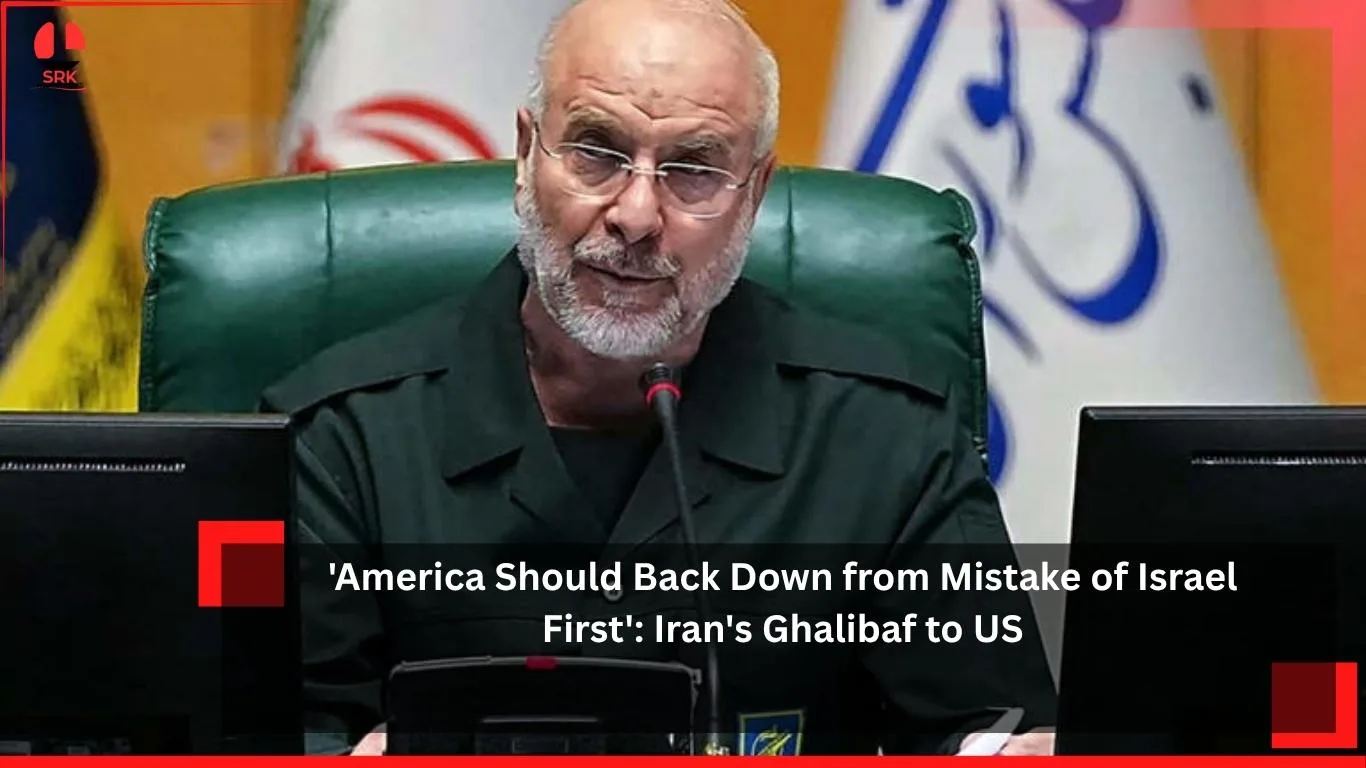
Iranian Parliament Speaker Mohammad Bagher Ghalibaf has delivered a sharp rebuke to Washington, declaring that the United States must “back down from the mistake of Israel first.” His remarks, made during a parliamentary session in Tehran, reflect Iran’s growing frustration with American foreign policy in the Middle East and its unwavering support for Israel. Ghalibaf’s statement underscores the deepening divide between Iran and the US, while also signaling Tehran’s intent to rally regional and global opinion against what it sees as biased diplomacy.
Ghalibaf’s Criticism of US Policy
- Israel-Centric Approach: Ghalibaf accused the US of prioritizing Israel’s interests over regional peace and stability.
- Destabilization Claim: He argued that the “Israel first” policy has fueled conflicts in Palestine, Lebanon, and Syria.
- Call for Change: Ghalibaf urged Washington to adopt a balanced approach that considers the rights of Palestinians and other regional actors.
- Warning to Allies: He cautioned countries aligned with the US that they risk complicity in destabilizing West Asia.
US–Iran Relations at a Crossroads
The statement comes amid heightened tensions between Washington and Tehran.
- Nuclear Dispute: Ongoing disagreements over Iran’s nuclear program remain unresolved.
- Sanctions Pressure: US sanctions continue to cripple Iran’s economy, fueling political hostility.
- Regional Conflicts: Iran accuses the US of enabling Israeli military actions in Gaza and Lebanon.
Comparative Overview of US Policy in West Asia
| Policy Focus | US Position | Iran’s Criticism | Regional Impact |
|---|---|---|---|
| Israel First | Strong military & diplomatic support | Distorts balance of power | Escalates conflicts |
| Palestine Issue | Limited engagement | Ignores Palestinian rights | Weakens peace prospects |
| Iran Relations | Sanctions & isolation | Hostile approach | Heightened tensions |
This table highlights the divergence between US policy objectives and Iran’s criticisms.
Pivot Analysis: Israel First vs. Balanced Policy
| Scenario | Diplomatic Impact | Security Impact | Public Perception |
|---|---|---|---|
| Israel First continues | US–Iran hostility deepens | Regional instability | Polarized global opinion |
| Balanced policy adopted | Opens dialogue channels | Reduced conflict escalation | Improved credibility |
The pivot analysis shows how a shift in US policy could alter the trajectory of regional diplomacy.
Regional Reactions
- Palestinian Leaders: Welcomed Ghalibaf’s remarks, echoing calls for reduced US bias.
- Israel: Strongly rejected Iran’s narrative, insisting US support is vital for its security.
- Arab States: Mixed responses, with some quietly supporting Iran’s criticism while others remain aligned with Washington.
- Global Analysts: Debate whether US policy adjustments are feasible given domestic political pressures.
Broader Implications
Ghalibaf’s statement reflects Iran’s broader strategy of challenging US influence in West Asia. By framing America’s support for Israel as a “mistake,” Tehran seeks to rally regional and global opinion against Washington’s policies. The controversy also underscores the difficulty of achieving peace when major powers are perceived as biased.
Conclusion
Iran’s Parliament Speaker Mohammad Bagher Ghalibaf’s call for the US to “back down from the mistake of Israel first” adds a new dimension to ongoing geopolitical tensions. His remarks highlight the deep divide between Washington’s priorities and Tehran’s vision for regional stability. Whether the US adjusts its approach remains uncertain, but the debate will continue to shape the future of Middle Eastern diplomacy.
Disclaimer
This article is a journalistic analysis created for informational purposes. It does not represent official government statements or endorsements. Readers are encouraged to consult multiple perspectives for updates. The content is intended for educational and news reporting use only, without promoting any political agenda.