









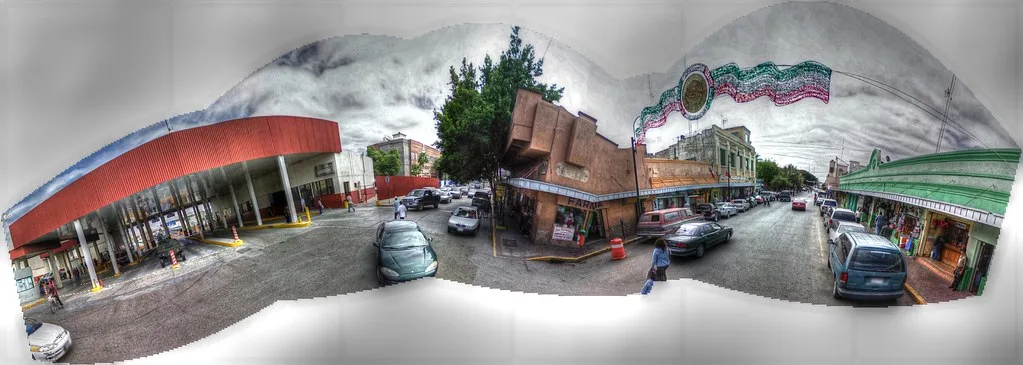
Modernizing Border Infrastructure
Union Home Minister Amit Shah is set to inaugurate the Land Ports Authority of India’s (LPAI) new digital portal in New Delhi this week, marking a significant shift toward the automation of border logistics. The initiative aims to streamline the movement of goods and passengers across India’s land borders by replacing manual, paper-heavy documentation with a centralized, real-time digital management system.
The move comes as the Indian government accelerates its efforts to boost regional trade and connectivity with neighboring countries. By integrating customs, immigration, and logistics data into a single platform, the government expects to reduce dwell times at border crossings and improve overall operational transparency.
Context of the Digital Transformation
The Land Ports Authority of India was established under the LPAI Act of 2010 to develop and manage Integrated Check Posts (ICPs). Historically, these checkpoints have relied on disparate systems, leading to bottlenecks and inefficiencies that hampered cross-border commerce.
As trade volumes between India and its neighbors, including Bangladesh and Nepal, continue to climb, the need for a unified digital architecture has become critical. The current infrastructure often struggles to handle the rapid influx of freight, resulting in increased logistical costs for businesses and delays for travelers.
Streamlining Cross-Border Trade
The new digital management system is designed to provide stakeholders with a comprehensive dashboard to track shipments and clearance statuses. This transition is expected to minimize human intervention, which officials believe will curb potential corruption and administrative delays at the borders.
According to recent government data, India’s land border trade accounts for a significant portion of its regional economic activity. Industry analysts suggest that digitizing the clearance process could reduce the time taken for trade transactions by approximately 20 to 30 percent within the first year of implementation.
Expert Insights and Economic Impact
Logistics experts have long advocated for the digitization of India’s land ports to align with global standards. Dr. Anjali Mehta, a researcher specializing in South Asian trade, notes that “digitization is the backbone of modern supply chain resilience. By removing the physical barriers of documentation, India is effectively lowering the cost of doing business in its border regions.”
The integration also promises improved security protocols. With digital tracking, authorities can monitor the movement of cargo more effectively, ensuring that hazardous materials or restricted goods are flagged instantaneously. This dual focus on trade facilitation and national security forms the core of the Ministry of Home Affairs’ current strategy.
Future Implications for Regional Connectivity
For the logistics industry, this shift signals a move toward a ‘contactless’ border experience that could set a precedent for other infrastructure projects. Businesses operating along the border should prepare for a period of adjustment as customs brokers and transport operators transition to the new digital portal.
Looking ahead, stakeholders will be watching how quickly the system is rolled out across all existing ICPs. The long-term success of this initiative will likely depend on the interoperability of the new portal with the systems used by neighboring nations. Future developments may include the integration of AI-driven risk assessment tools to further expedite the clearance of low-risk shipments, potentially transforming India’s land borders into hubs of high-velocity international trade.