








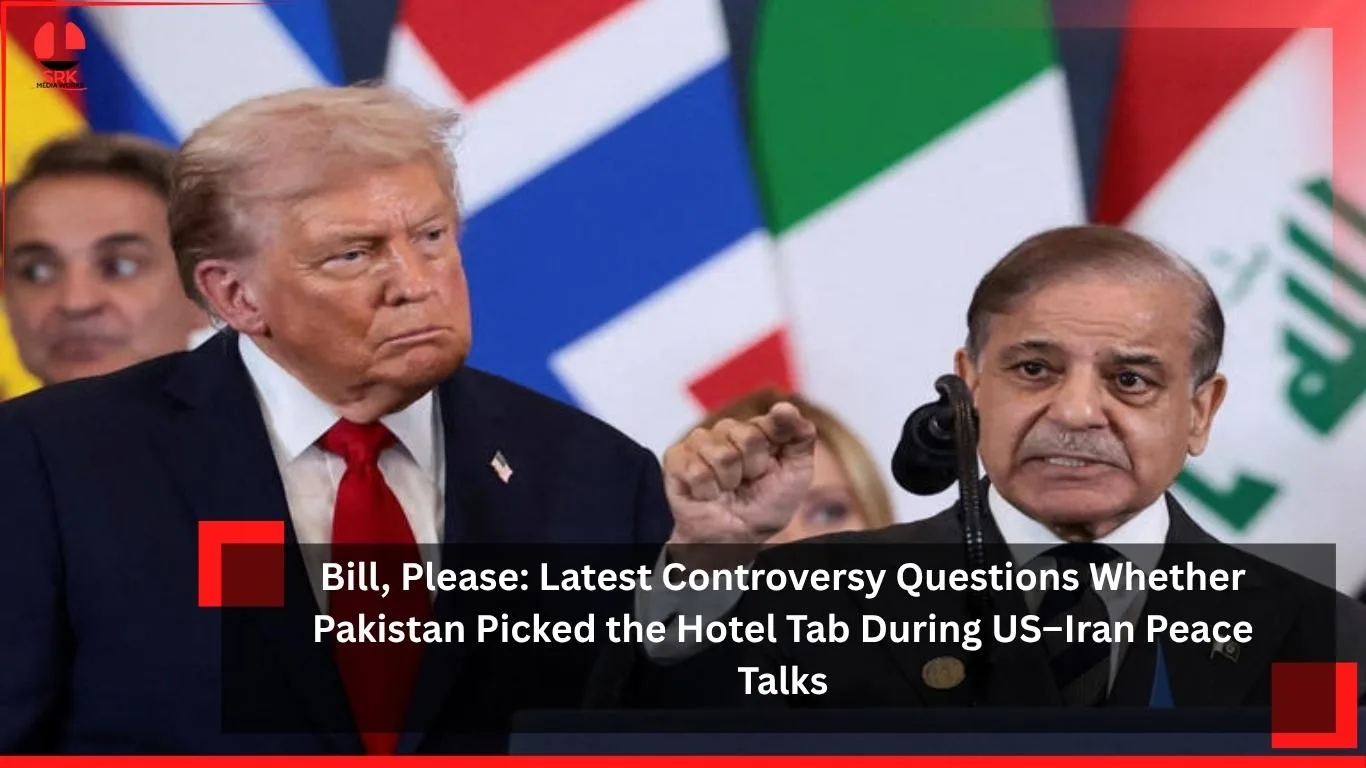
A fresh controversy has emerged around the recent US–Iran peace talks, with reports suggesting that Pakistan may have footed the hotel bill for the high-level negotiations. The speculation has triggered political debates across South Asia and beyond, raising questions about Islamabad’s role in facilitating dialogue between Washington and Tehran. While officials remain tight-lipped, the issue has become a flashpoint in discussions about diplomacy, transparency, and regional influence.
Background of the Controversy
The US–Iran peace talks, held in a neutral venue, were aimed at reducing tensions and finding common ground on nuclear and regional security issues. However, the spotlight has shifted from the substance of the talks to the logistics, with claims that Pakistan covered the accommodation expenses for delegates. Critics argue that such involvement could compromise neutrality, while supporters see it as a gesture of goodwill.
Pakistan’s Role in Mediation
Pakistan has historically positioned itself as a bridge between the West and the Islamic world.
- Diplomatic Gesture: Covering costs could be seen as an effort to facilitate dialogue.
- Strategic Interest: Islamabad benefits from reduced tensions in West Asia, which directly impact its economy and security.
- Regional Influence: By supporting talks, Pakistan strengthens its image as a peace broker.
US and Iran’s Silence
Neither Washington nor Tehran has confirmed or denied the claims.
- US Position: Focused on the outcomes of the talks rather than logistical details.
- Iran’s Position: Welcomes Pakistan’s involvement but avoids commenting on financial matters.
- Diplomatic Sensitivity: Both sides may prefer to avoid controversy that distracts from substantive negotiations.
Comparative Overview of Diplomatic Facilitation
| Country | Role in Talks | Financial Contribution | Strategic Benefit |
|---|---|---|---|
| Pakistan | Alleged hotel expenses | Possible logistical support | Regional influence |
| Switzerland | Neutral venue provider | Hosting costs | Reputation as mediator |
| Oman | Informal backchannel | Diplomatic hospitality | Strengthened ties with US & Iran |
This overview shows how different countries contribute to peace talks, either through logistics, venues, or diplomacy.
Pivot Analysis: Transparency vs. Diplomacy
| Scenario | Diplomatic Impact | Political Impact | Public Perception |
|---|---|---|---|
| Pakistan paid | Strengthens mediator role | Criticism of bias | Mixed reactions |
| Pakistan did not pay | Maintains neutrality | Focus on talks | Reduced controversy |
The pivot analysis highlights how the outcome of this controversy could shape perceptions of Pakistan’s role in global diplomacy.
Regional Reactions
- India: Observes cautiously, wary of Pakistan’s growing diplomatic visibility.
- China: Likely supportive, as Pakistan’s involvement aligns with Beijing’s regional interests.
- Middle East States: Divided, with some welcoming Pakistan’s role and others skeptical of its motives.
- Global Analysts: Debate whether financial contributions undermine neutrality or enhance facilitation.
Broader Implications
The controversy underscores the importance of transparency in international diplomacy. While logistical support is common, questions about who pays for peace talks can influence perceptions of fairness and neutrality. Pakistan’s alleged involvement reflects its ambition to play a larger role in regional stability, but also exposes it to criticism from rivals and skeptics.
Conclusion
The question of whether Pakistan picked up the hotel tab during US–Iran peace talks may seem minor, but it carries significant symbolic weight. It highlights the delicate balance between diplomacy and transparency, and the challenges countries face when trying to mediate conflicts. As speculation continues, the focus should remain on the outcomes of the talks rather than the bills behind them, though the controversy will likely linger in political discourse.
Disclaimer
This article is a journalistic analysis created for informational purposes. It does not represent official government statements or financial records. Readers are encouraged to consult multiple perspectives for updates. The content is intended for educational and news reporting use only, without endorsing any political party or institution.