







The Border Security Force (BSF) of India officially concluded a tense, multi-day standoff along the international border this week, confirming the successful repatriation of several individuals identified as illegal migrants to Bangladesh. The resolution, which occurred following high-level diplomatic communication between border management authorities on both sides, marks a temporary stabilization of a volatile sector that had seen heightened security protocols and mobilization of troops since early Tuesday.
The Context of Border Management
The India-Bangladesh border stretches over 4,000 kilometers, characterized by porous terrain, riverine segments, and densely populated border villages. Managing this boundary remains one of the most complex logistical challenges for Indian security agencies due to the high volume of cross-border movement, smuggling, and undocumented migration.
Tensions often spike in this region when security forces intercept groups attempting to cross without valid documentation. These incidents frequently trigger local protests or diplomatic inquiries, necessitating a delicate balance between national security enforcement and international humanitarian protocols.
Details of the Standoff
The standoff began when BSF personnel intercepted a group of individuals attempting to cross into Indian territory near a sector known for frequent illegal migration attempts. Following the initial interception, local community members gathered at the border fence, creating a security blockade that prevented the immediate processing of the individuals.
For several days, the situation remained at a stalemate as BSF commanders engaged with their counterparts from the Border Guard Bangladesh (BGB). The objective was to verify the nationalities of the intercepted persons while ensuring the safety of all personnel involved in the standoff.
By Thursday, the BSF confirmed that a formal handover procedure had been initiated. Following verification of their origin, the individuals were processed through established diplomatic channels and returned to Bangladeshi authorities, effectively de-escalating the immediate security threat.
Expert Perspectives and Border Security Data
Security analysts suggest that such standoffs are symptomatic of broader socioeconomic pressures in the region. According to the Ministry of Home Affairs, the BSF routinely intercepts thousands of individuals annually along the eastern border, though most cases are resolved without significant public confrontation.
“The border is not just a line on a map; it is a living, breathing zone of human activity,” noted a retired security official familiar with border operations. “While technological solutions like floodlighting and high-tech fencing have increased, the human element—both in terms of migration and security personnel—remains the primary driver of these incidents.”
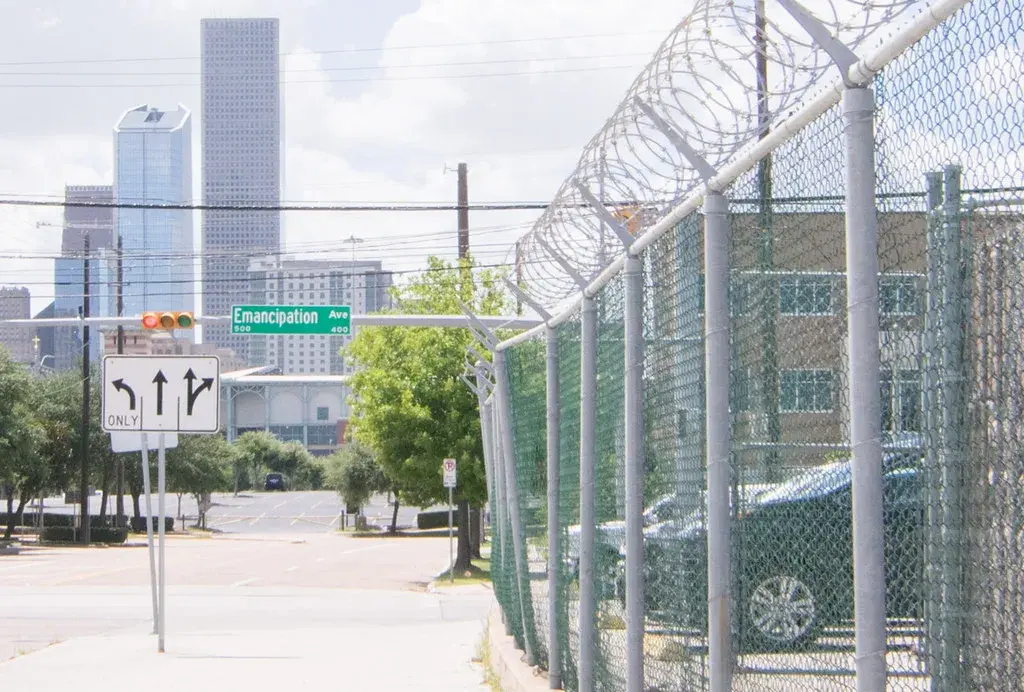
Data from the BSF indicates that the deployment of smart-fencing technology has reduced unauthorized entries in monitored sectors by roughly 15% over the last fiscal year. However, analysts emphasize that human trafficking syndicates frequently adapt their routes to bypass these technological upgrades, leading to localized friction points.
Implications for Future Security
The swift resolution of this standoff serves as a test case for bilateral border management mechanisms. It highlights the importance of maintaining open communication lines between the BSF and BGB, which are essential for preventing localized incidents from escalating into broader diplomatic disputes.
For residents in border districts, the return to normalcy brings a sense of relief, though the presence of increased security patrols is expected to remain for the foreseeable future. Industry experts suggest that the focus for the remainder of the year will shift toward strengthening intelligence-sharing networks to preempt similar gatherings at the fence line.
Observers will be watching to see if the recent implementation of updated Standard Operating Procedures (SOPs) for border interactions will be applied to future interceptions. The success of this resolution may serve as a blueprint for how authorities handle similar encounters as migration pressures continue to rise across the subcontinent.