







Geopolitical Tensions Escalate Across the Middle East
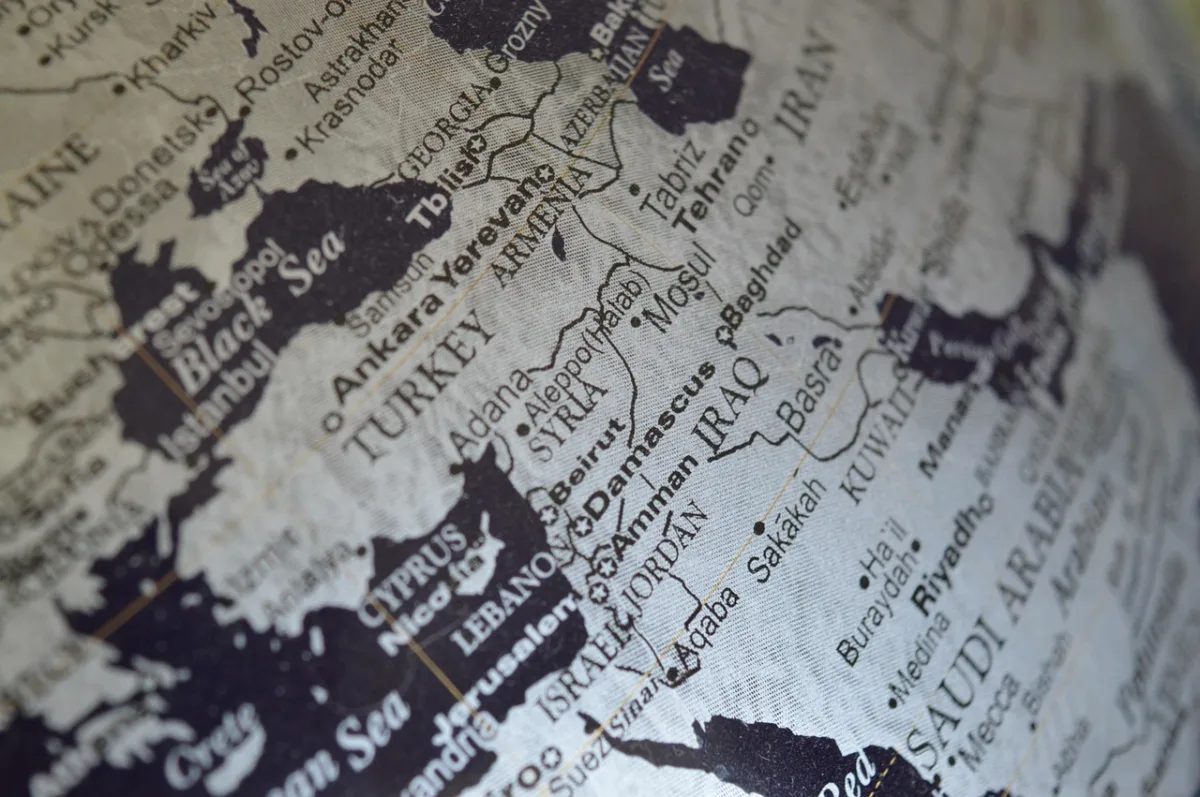
Turkish President Recep Tayyip Erdogan warned this week that Israel’s ongoing military campaigns in Syria and Lebanon represent an existential threat to regional stability, asserting that these actions have direct security implications for Turkey. Speaking from Ankara, the president characterized the Israeli government as the primary obstacle to lasting peace, signaling a further deterioration in diplomatic relations between the two nations.
The announcement coincides with a broader shift in Turkish foreign policy, which has seen Ankara move from a strategic partner of Israel to one of its most vocal international critics. Turkey has officially suspended all bilateral trade with Israel and has actively pursued legal challenges against the Israeli government in international courts, citing humanitarian concerns and violations of international law.
Context of the Regional Conflict
Turkey’s pivot comes amidst a volatile period in the Middle East following the escalation of conflicts in Gaza, Iran, and Lebanon. Historically, Turkey maintained a delicate balance in the region, serving as a mediator between various factions, but the current intensity of military operations has pushed Ankara to adopt a more confrontational stance.
By framing the attacks on neighboring Syria and Lebanon as a threat to Turkish national security, Erdogan is highlighting the interconnected nature of regional borders. Analysts suggest this rhetoric serves to align Turkey with regional actors who feel vulnerable to Israeli air strikes and ground incursions, effectively positioning Ankara as a leader of the opposition to Israeli military expansionism.
Strategic Shifts and Economic Consequences
The decision to halt all trade with Israel marks a significant economic departure for both countries. Prior to the current conflict, the two nations shared a robust commercial relationship, with trade volumes reaching billions of dollars annually in sectors ranging from textiles to defense technology.
The economic fallout is being felt across Turkish industries that previously relied on Israeli logistics and markets. However, the Turkish government insists that these measures are necessary to apply pressure on the Israeli administration to cease hostilities. This economic isolation strategy is complemented by Turkey’s diplomatic efforts, as the nation continues to lobby the United Nations and the International Court of Justice to impose sanctions on Israel.
Expert Perspectives on Regional Security
Foreign policy experts indicate that Erdogan’s concerns regarding regional instability are shared by several Middle Eastern neighbors. According to regional security data, the expansion of kinetic military operations beyond Gaza has destabilized previously dormant border zones, increasing the risk of accidental escalation involving third-party nations.
“The rhetoric coming from Ankara is not merely performative; it reflects a genuine fear that the regional order is collapsing,” noted a senior fellow at a Middle East policy institute. “When a NATO member warns that regional attacks threaten their own borders, it forces the international community to consider the spillover effects of a protracted conflict that shows no signs of de-escalation.”
Implications for Future Diplomacy
For the broader international community, Turkey’s stance signals a hardening of alliances in the Middle East. As Ankara continues to advocate for international intervention, the potential for a diplomatic impasse at the UN Security Council remains high, complicating efforts to negotiate a ceasefire.
Observers are now watching for any potential shift in Turkey’s military posture along its southern borders. If the conflict in Syria continues to intensify, analysts anticipate that Turkey may increase its defensive military presence to prevent further regional instability from encroaching on its sovereign territory. The coming weeks will be critical in determining whether international diplomatic pressure can effectively moderate the current trajectory of the conflict or if regional tensions will continue to accelerate.