








With the 2026 FIFA World Cup fast approaching, FIFA President Gianni Infantino and the Mexican National Team leadership have signaled a state of heightened readiness at the iconic Estadio Azteca, setting the stage for a tournament that promises to redefine the global football landscape. As Mexico prepares to serve as a cornerstone host for the expanded 48-team competition, the atmosphere in Mexico City has shifted from planning to palpable excitement, with players and officials emphasizing team cohesion over individual accolades.
A Historic Stage for a New Era
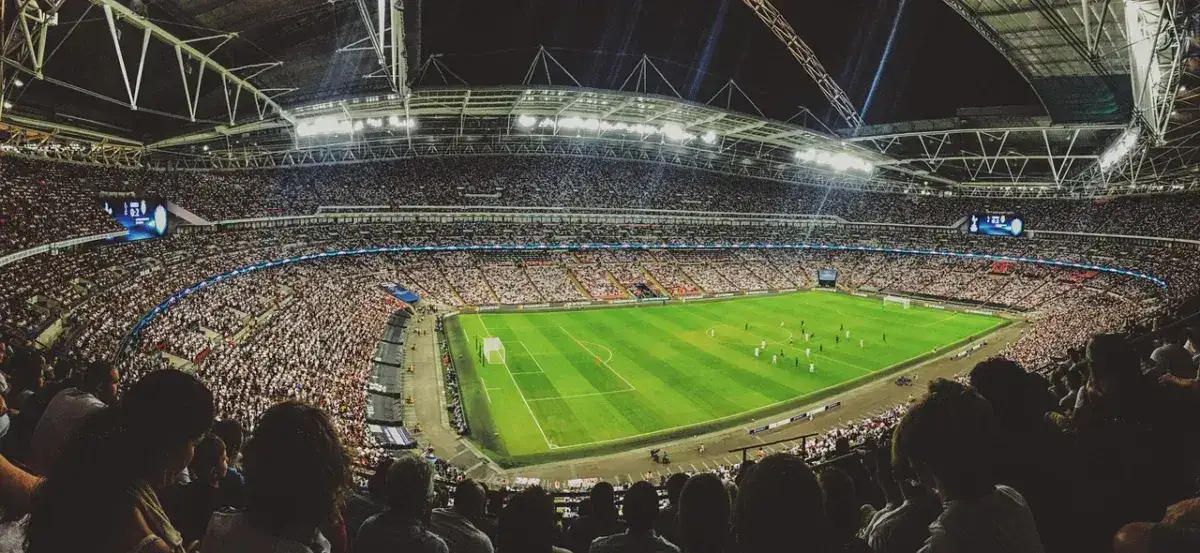
The selection of Estadio Azteca as a primary venue carries significant weight, as the stadium prepares to host its third World Cup opening match. FIFA leadership has expressed deep confidence in Mexico’s infrastructure, viewing the country as a vital hub for the 2026 tournament’s success.
For the Mexican squad, known affectionately as ‘El Tri,’ the pressure of hosting is matched only by the ambition to perform on home soil. Coach Javier Aguirre has noted a marked improvement in team dynamics, specifically highlighting the tactical development of midfielder Edson Álvarez as a critical component of their evolving strategy.
Shifting Priorities within the Squad
As the roster takes shape, veteran forward Raúl Jiménez has publicly dismissed concerns regarding his starting status, shifting the narrative toward a collective, team-first mentality. This sentiment reflects a broader trend among professional squads, where the depth of the roster is increasingly valued over the traditional reliance on singular star players.
This shift in focus comes as international analysts continue to evaluate the field of competitors. While Mexico focuses on internal development, global football icons like Ronaldo Nazário have already begun to weigh in on the tournament favorites, frequently citing Spain and France as the teams to beat given their recent tactical consistency and depth of talent.
Expert Analysis and Competitive Landscape
Data from international football analytics firms suggests that the 2026 tournament will be the most competitive in history due to the expanded format. The inclusion of additional teams provides a wider window for emerging nations to impact the knockout stages, a factor that complicates the traditional power dynamics of the sport.
Technical staff are currently utilizing advanced performance tracking to monitor player fitness levels as the tournament draws nearer. Coach Aguirre’s emphasis on Álvarez’s growth is part of a larger, data-driven approach to ensure the Mexican team can withstand the physical intensity of high-stakes tournament play.
Implications for the Future of the Tournament
For fans and industry stakeholders, the coming months will be defined by the finalization of venue logistics and the intensification of training camps. The successful integration of Mexico’s host cities into the broader North American tournament framework will be the primary metric for measuring operational readiness.
As the countdown continues, observers should monitor how the Mexican squad balances the immense pressure of the home crowd with the tactical requirements of a modern, fast-paced game. The ability of ‘El Tri’ to convert this national fervor into sustained performance will determine their trajectory in a tournament that remains the ultimate test of global footballing prowess.