






A Global Celebration in Guadalajara
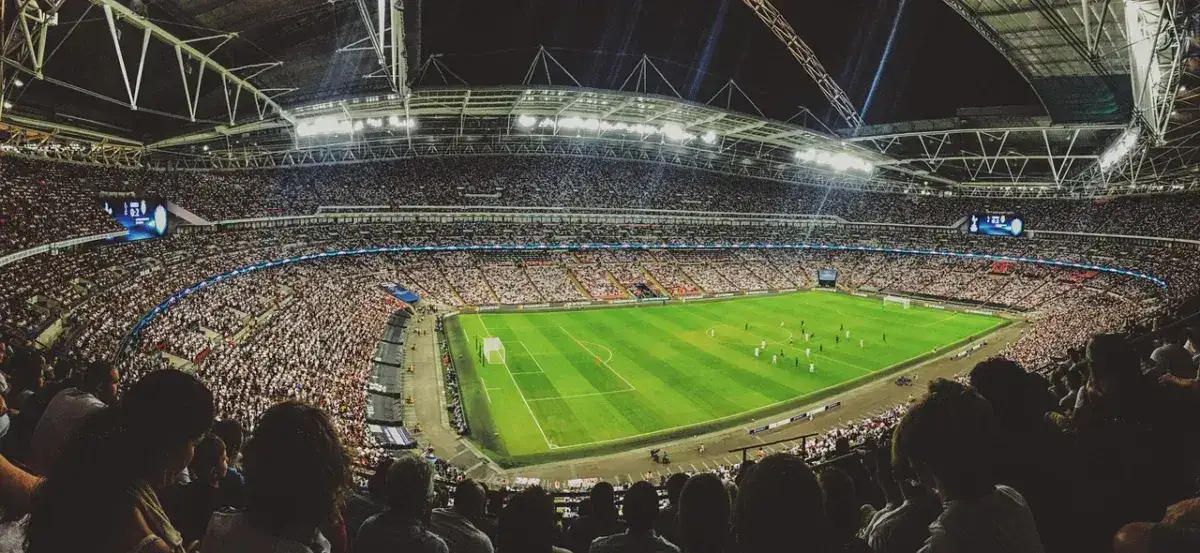
During a high-stakes 2026 FIFA World Cup group stage match held at the Estadio Guadalajara this week, South Korean supporters transformed the stands into a cross-cultural celebration by singing the classic Mexican anthem ‘Cielito Lindo.’ The spectacle, which saw fans donning traditional Mexican sombreros and faux mustaches, quickly went viral, highlighting the unique ability of the World Cup to bridge cultural divides through sport.
The Context of International Fan Culture
The FIFA World Cup has historically served as a melting pot for global fan traditions, but the 2026 tournament in North America has accelerated the exchange of national customs. Guadalajara, a city renowned for its deep-rooted mariachi and charro heritage, provided an atmospheric backdrop that encouraged visiting supporters to engage with local iconography. The sight of South Korean fans participating in the stadium-wide ‘ola’ (the wave) represents a significant departure from standard match-day behavior, signaling a shift toward more immersive, localized fan experiences.
Cultural Exchange on the Pitch
The engagement between the South Korean fans and the local Guadalajara crowd was not merely a superficial display of support but a genuine attempt at cultural integration. Observers noted that the fans had spent weeks preparing the lyrics to the iconic song, demonstrating a level of dedication that resonated deeply with the Mexican hosts. This behavior mirrors the broader trend of ‘cultural diplomacy’ often seen in major sporting events, where fans act as informal ambassadors for their home nations.
Expert Insights on Sports Tourism
Sports sociologists suggest that such displays are indicative of the changing nature of international mega-events. Dr. Elena Ramirez, a researcher in sports tourism, notes that the 2026 World Cup is fostering a unique environment where the ‘home-field advantage’ is being redefined by the sheer volume of international visitors. Data from recent match attendance reports indicate that fan engagement metrics—such as social media interactions and in-stadium participation—are reaching record highs compared to previous tournaments in Europe or Asia.
Implications for Future Host Cities
The integration of local traditions by international fanbases sets a new precedent for how host cities interact with global visitors. For organizers, this suggests that the economic impact of the World Cup extends beyond hospitality and tourism, fostering long-term cultural ties that persist long after the final whistle. As the tournament progresses, industry analysts expect to see similar patterns of cultural blending in cities like Mexico City and Monterrey.
What to Watch Next
Industry stakeholders are now closely monitoring whether this trend will influence future marketing campaigns, which are increasingly emphasizing the ‘global village’ aspect of the tournament. Observers should keep an eye on how upcoming matches in North American host cities utilize localized fan engagement to drive ticket sales and tourism interest. The continued rise of cross-cultural fan participation will likely become a primary metric for measuring the social success of the 2026 World Cup.