







A coalition of environmental advocacy groups filed a lawsuit this Wednesday challenging the Trump administration’s decision to transfer over 700 acres of federal wildlife refuge land to SpaceX in the Lower Rio Grande Valley, Texas. The legal action seeks to halt a land exchange agreement approved by the U.S. Fish and Wildlife Service, which would allow the aerospace company to acquire protected habitat in exchange for 683 acres of private land currently held by the firm.
Context of the Borderland Conflict
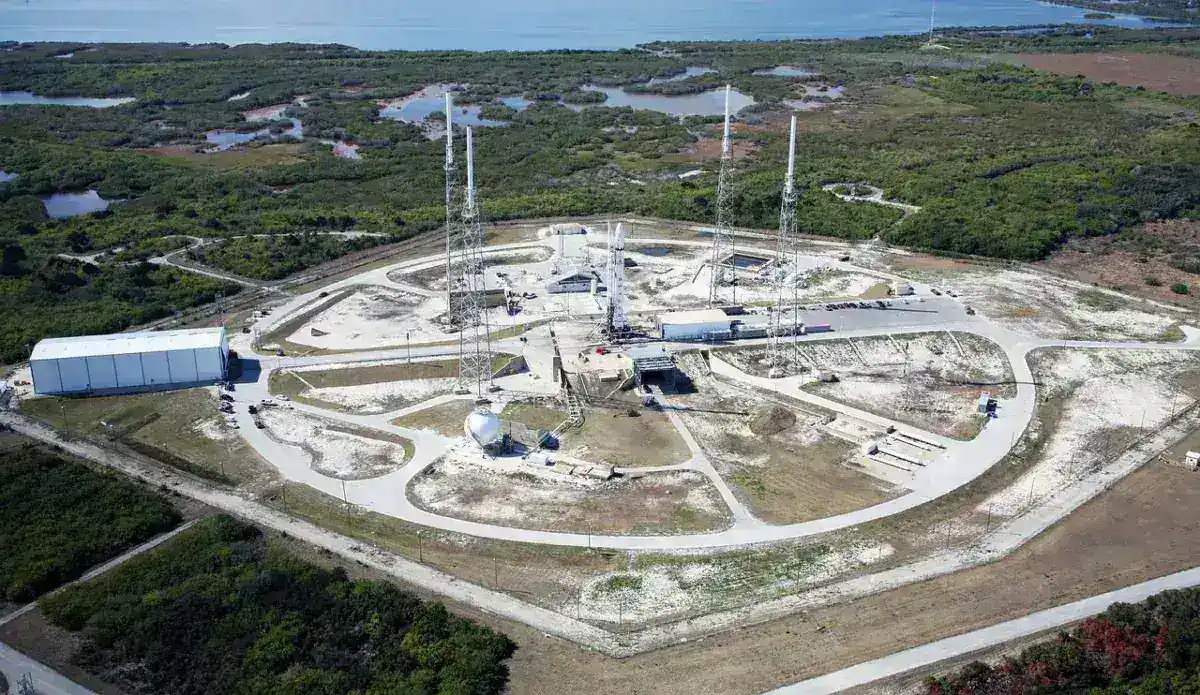
The Lower Rio Grande Valley National Wildlife Refuge encompasses 103,000 acres across four Texas counties, serving as a critical corridor for biodiversity and a repository for historical landmarks. For years, the region has served as the primary testing and launch site for SpaceX’s Starship program, a massive undertaking that has fundamentally altered the physical landscape of the coastal area.
The proposed deal involves a land swap designed to consolidate SpaceX’s operational footprint near its Boca Chica facility. Proponents of the deal argue that the exchange facilitates national security and technological advancement, while critics contend that the expansion of industrial infrastructure into protected zones threatens fragile ecosystems.
Ecological and Regulatory Concerns
The lawsuit alleges that the U.S. Fish and Wildlife Service failed to adequately assess the long-term ecological risks posed by increased rocket activity in an area designated for conservation. Environmental organizations argue that the noise, light pollution, and potential for debris associated with frequent launches disrupt the breeding and migratory patterns of endangered species, including the ocelot and various coastal birds.
Data from local ecological surveys indicate that the Boca Chica region remains one of the most biodiverse areas in the United States, despite being subjected to significant human-induced changes. Plaintiffs maintain that the government’s decision deviates from the core mission of the National Wildlife Refuge System, which is intended to protect and preserve wildlife rather than serve industrial expansion.
Industry and Regulatory Implications
This legal battle highlights the growing tension between the rapid expansion of the private space sector and the preservation of public lands. As more private companies seek exclusive access to coastal regions for launch operations, regulatory bodies are increasingly pressured to balance economic growth with environmental compliance.
For the aerospace industry, this case serves as a bellwether for how future infrastructure projects on federal land will be scrutinized. Should the courts rule in favor of the environmental groups, it could force a more rigorous federal review process for all future SpaceX operations in Texas and potentially impact the speed of launch development.
Future Outlook
Observers are closely monitoring the court’s decision to see whether it sets a legal precedent for the privatization of protected wildlife habitats. In the coming months, the focus will shift to whether the Fish and Wildlife Service can provide sufficient scientific justification for the land swap or if the project will face significant delays due to mandatory environmental impact studies.