







Averting Labor Disruption at a Global Stage
Nearly 2,000 hospitality workers at SoFi Stadium in Inglewood, California, reached a tentative contract agreement late this week, successfully averting a strike that threatened to disrupt operations at the site of the upcoming 2026 FIFA World Cup. Members of Unite Here Local 11, including cooks, dishwashers, bartenders, and concession staff, voted overwhelmingly to authorize a strike just last week, citing concerns over stagnant wages and rising living costs in the Los Angeles area.
The Context of the Dispute
The labor tension at the stadium follows a broader trend of aggressive collective bargaining across the Southern California hospitality sector. Unite Here Local 11 has been engaged in a series of high-profile negotiations with hotel and venue operators, arguing that the post-pandemic economic recovery has failed to account for inflation-adjusted compensation for frontline service workers.
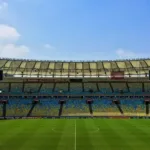
SoFi Stadium, home to the NFL’s Rams and Chargers, serves as a critical economic hub in the region. As the facility prepares to host high-stakes international matches for the World Cup, the pressure on management to ensure operational stability has intensified significantly over the past six months.
Negotiation Dynamics and Demands
The primary sticking points in the negotiations centered on wage increases, healthcare contributions, and workplace safety protocols. Union representatives emphasized that the workers powering these massive sporting events deserve a share of the substantial revenue generated by the stadium’s luxury offerings and high-volume concession sales.
By securing this tentative agreement, both the labor union and stadium management avoid a public relations crisis. A strike during major events would have created logistical nightmares for fans and potentially tarnished the stadium’s reputation ahead of its global showcase on the world stage.
Expert Perspectives on Labor Trends
Labor economists note that the success of unions in the hospitality and entertainment sectors indicates a shift in worker leverage. According to data from the Bureau of Labor Statistics, service sector workers in major metropolitan areas are increasingly utilizing strike authorizations as a strategic tool to bring employers back to the negotiating table.
“The threat of a strike at a globally recognized venue like SoFi Stadium carries immense weight,” said Dr. Elena Rodriguez, a labor relations analyst. “Employers are recognizing that the cost of operational downtime during a world-class event far outweighs the long-term investment in competitive worker compensation packages.”
Future Implications for the Industry
This agreement sets a precedent for other venues throughout Los Angeles as they prepare for the influx of visitors expected for the 2026 World Cup. Industry observers are now watching to see how other stadium operators manage their labor contracts as the deadline for venue readiness approaches.
Looking ahead, the focus will shift to the ratification vote by the rank-and-file members of Unite Here Local 11. If approved, the contract will likely provide a blueprint for similar venues in the region, stabilizing the workforce and ensuring that the stadium’s massive operations can continue without the threat of imminent labor unrest.