







Prominent international soccer figures and teams are facing significant hurdles entering the United States, as stringent visa processing policies and administrative delays create barriers for global sporting events. This week, Somali referee Omar Artan became the latest high-profile individual denied entry, following a trend that has recently affected the Iranian national squad and other participants attempting to travel for sanctioned competitions.
Context of Evolving Travel Regulations
The United States has long maintained rigorous visa screening procedures, governed by the Department of State and the Department of Homeland Security. These policies are designed to ensure national security, yet they frequently intersect with the logistical requirements of international sports organizations like FIFA and CONCACAF.
Visa processing times have seen significant fluctuations in the post-pandemic era. According to the U.S. Travel Association, wait times for non-immigrant visa interviews at some embassies have stretched into months, creating a precarious environment for athletes and officials who must adhere to strict tournament timelines.
The Impact on Sporting Integrity
The exclusion of key personnel, such as FIFA-accredited referees like Omar Artan, threatens the neutrality and quality of officiating in international matches. When officials are unable to secure travel documentation, governing bodies are forced to make last-minute substitutions, which can affect match preparation and team strategy.
The Iranian national team’s experience earlier this year highlighted the vulnerability of national squads to these bureaucratic bottlenecks. Despite securing necessary tournament invitations, teams often find themselves in a state of uncertainty as they wait for visa approvals, which can disrupt training camps and tactical planning.
Expert Perspectives and Data Points
Sports law experts argue that these delays are not merely administrative inconveniences but have broader implications for the global nature of the sport. The U.S. government maintains that each visa application is reviewed on a case-by-case basis under the Immigration and Nationality Act, though critics suggest the inconsistency creates a perception of inequity.
Data from the U.S. Department of State indicates that while visa issuance rates have improved since 2022, the volume of applications remains at historically high levels. For sports federations, this means that scheduling events in the U.S. requires an increasingly long lead time for visa logistics, often starting more than six months before the opening whistle.
Looking Toward Future Sporting Events
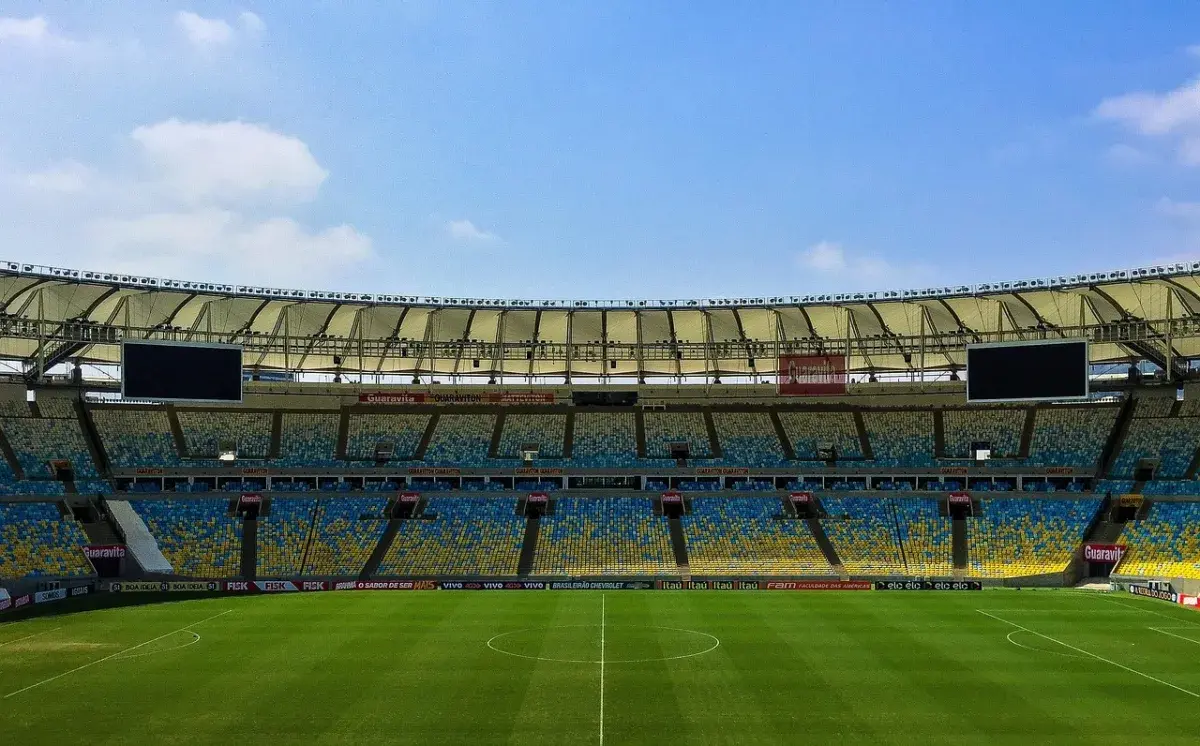
The implications of these travel policies are particularly acute as the United States prepares to co-host the 2026 FIFA World Cup. The logistical challenge of facilitating entry for thousands of players, coaches, staff, and journalists from over 48 nations will be unprecedented.
Observers are now watching to see if the U.S. government will implement expedited processing categories specifically for tournament participants. Failure to streamline these entry requirements could lead to further diplomatic friction and could potentially influence the selection of future host nations for international sporting events.