





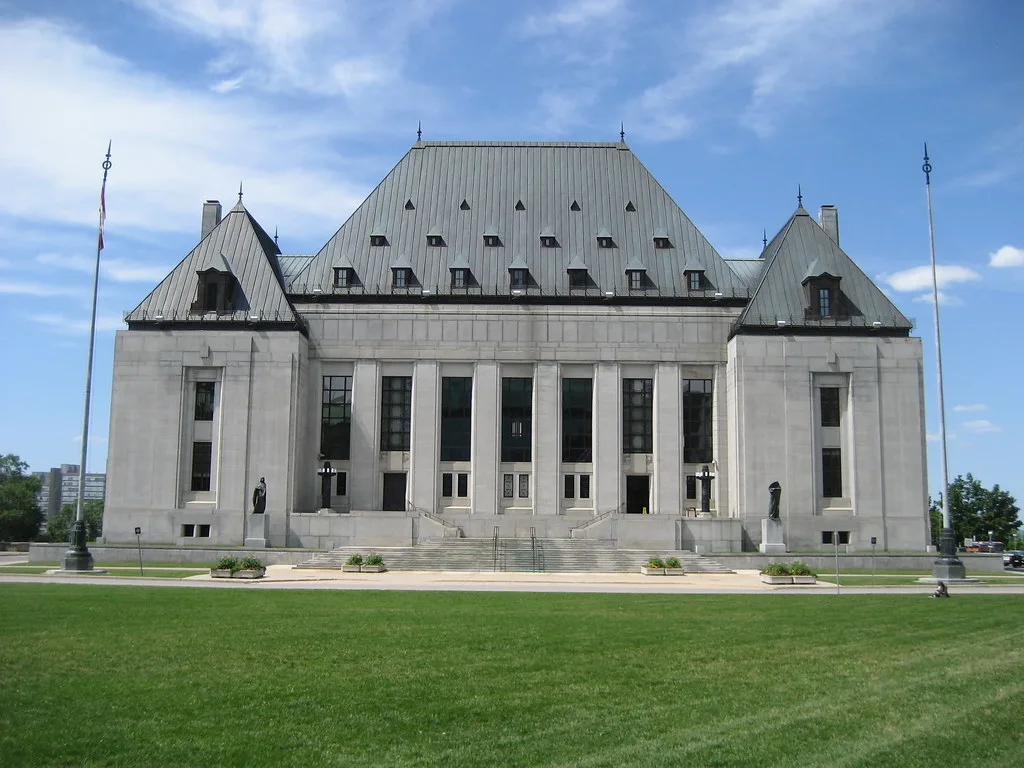
The United States Supreme Court issued a pivotal ruling on Wednesday regarding Louisiana’s congressional map, effectively narrowing the scope of the Voting Rights Act concerning the creation of majority-minority districts. This decision creates a legal framework that could allow several states to reconsider their electoral boundaries, potentially shifting the balance of power toward the Republican Party in upcoming election cycles.
The Shifting Legal Landscape
For decades, Section 2 of the Voting Rights Act has served as the primary legal tool for challenging redistricting plans that dilute the voting power of minority communities. The Act generally mandates that states create districts where minority voters have a fair opportunity to elect candidates of their choice.
However, the Court’s latest interpretation signals a significant departure from previous precedents that favored the protection of these districts. Legal analysts suggest this shift lowers the threshold for states to justify maps that consolidate minority populations or disperse them across multiple districts to minimize their political influence.
Implications for State Legislatures
States with Republican-controlled legislatures are already signaling interest in revisiting their current maps. Jurisdictions such as Georgia, South Carolina, and Tennessee are currently under heavy scrutiny, as legal battles over their respective congressional districts continue to wind through the federal court system.
Political strategists note that the ruling provides a roadmap for GOP-led states to argue that race-conscious redistricting is no longer as strictly required as previously interpreted. By shifting the focus toward partisan neutrality rather than demographic representation, these states may attempt to redraw lines that maximize their partisan advantage.
Data and Expert Analysis
According to the Brennan Center for Justice, the ruling could impact as many as a dozen competitive congressional seats nationwide. The center’s data highlights that the previous standard for majority-minority districts acted as a firewall against extreme gerrymandering in the South.
Constitutional law scholars warn that the erosion of these protections could lead to a significant decline in minority representation in Congress. Conversely, some legal advocates for state sovereignty argue that the ruling correctly limits federal overreach into state-level electoral processes, allowing legislatures more autonomy in map-making.
Future Outlook and Industry Impact
The immediate impact of this ruling will be felt in pending litigation across the country, where lower courts will now be forced to apply the Supreme Court’s narrow interpretation. This will likely lead to a surge in emergency appeals and expedited hearings as the 2026 midterm election cycle approaches.
Observers should watch for how state legislatures respond in the coming months, specifically whether they initiate special sessions to redraw existing maps. The long-term consequence may be a fragmented electoral map where federal oversight of voting rights is significantly weakened, leaving the composition of the House of Representatives increasingly susceptible to state-level partisan maneuvering.