








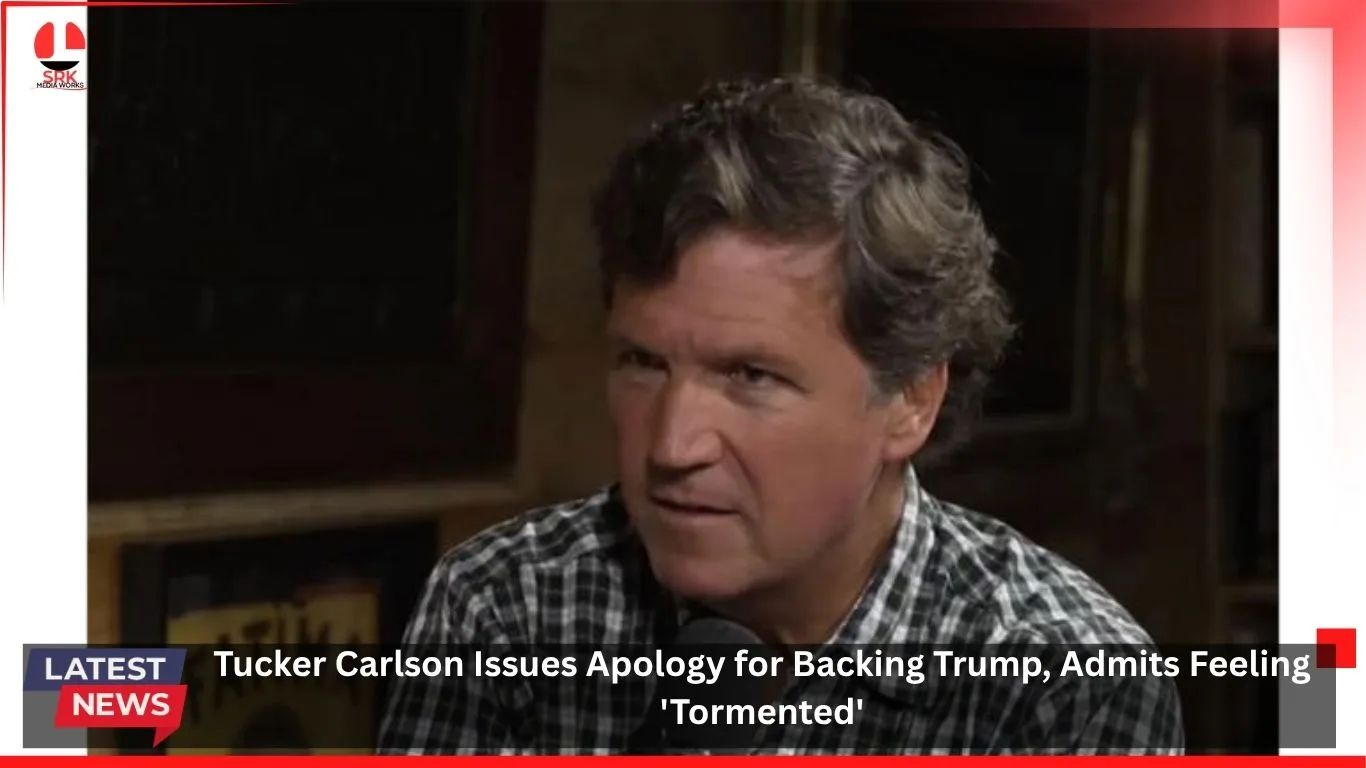
In a surprising turn of events, conservative commentator Tucker Carlson has publicly apologized for his past support of former US President Donald Trump, admitting that he feels “tormented” by the role he played in amplifying Trump’s political influence. Carlson’s remarks have sparked intense debate across political and media landscapes, raising questions about accountability, media ethics, and the long-term impact of partisan commentary.
Carlson’s Admission and Emotional Tone
Carlson’s apology was delivered with a tone of regret, acknowledging that his backing of Trump was not only political but also personal. He admitted that his support contributed to shaping public opinion during a critical era in American politics. His use of the word “tormented” suggests deep internal conflict, highlighting the psychological burden of his past choices.
Media and Political Reactions
Conservative Circles
- Some conservative voices expressed disappointment, accusing Carlson of betraying his audience.
- Others defended him, arguing that acknowledging mistakes is a sign of integrity.
Liberal and Progressive Voices
- Many critics welcomed the apology, viewing it as overdue accountability.
- Some questioned whether Carlson’s statement was genuine or strategically motivated.
Impact on Media Landscape
Carlson’s apology has reignited discussions about the role of media personalities in shaping political narratives. His influence as a prime-time host was immense, and his support for Trump helped consolidate conservative messaging. The reversal of his stance could reshape perceptions of media responsibility.
| Media Personality | Past Alignment | Current Position | Public Reaction |
|---|---|---|---|
| Tucker Carlson | Pro-Trump | Apologetic, regretful | Divided |
| Sean Hannity | Strongly Pro-Trump | Continues support | Loyal base |
| Anderson Cooper | Critical of Trump | Consistent stance | Stable audience |
| Rachel Maddow | Anti-Trump | Consistent stance | Progressive approval |
Psychological Dimensions
Carlson’s use of the word “tormented” underscores the emotional toll of political advocacy. Analysts suggest that his admission reflects the broader psychological strain experienced by public figures who align themselves with polarizing leaders. The burden of responsibility, combined with public scrutiny, can lead to long-term emotional consequences.
Historical Parallels
Media figures throughout history have faced similar reckonings:
- Walter Cronkite shifted public opinion during the Vietnam War by expressing doubts about US involvement.
- Dan Rather faced backlash for controversial reporting, later reflecting on the pressures of journalism.
- Carlson’s apology fits into this tradition of media figures reassessing their roles in shaping national discourse.
Public Opinion
American citizens remain divided:
- Supporters of Carlson’s apology argue that it demonstrates courage and accountability.
- Critics claim it is too little, too late, given the years of influence he wielded in Trump’s favor.
Comparative Analysis of Media Accountability
| Media Era | Key Figures | Approach to Accountability | Outcome |
|---|---|---|---|
| Vietnam War Era | Walter Cronkite | Public reassessment | Shift in public opinion |
| Post-9/11 Era | Dan Rather | Controversial reporting, later reflection | Mixed legacy |
| Trump Era | Tucker Carlson | Apology, admission of torment | Ongoing debate |
Possible Scenarios Ahead
- Reputation Recovery: Carlson may rebuild credibility by adopting a more balanced approach.
- Audience Backlash: Conservative viewers may abandon him, perceiving betrayal.
- Media Evolution: His apology could inspire broader discussions about journalistic ethics.
- Political Ripple Effects: Trump’s supporters may view Carlson’s reversal as symbolic of weakening loyalty.
Expert Opinions
Media analysts argue that Carlson’s apology is significant, not only for his personal brand but also for the broader media ecosystem. Some believe it could mark a turning point in conservative media, while others see it as a tactical move to reposition himself in a changing political climate.
Conclusion
Tucker Carlson’s apology for backing Trump and his admission of feeling “tormented” represent a rare moment of vulnerability in the world of political commentary. Whether this signals a genuine transformation or a strategic recalibration remains to be seen. What is clear is that his words have reignited debates about accountability, media influence, and the psychological toll of political advocacy.
Disclaimer
This article is a journalistic analysis based on current events and statements. It does not endorse or oppose any political figure or media personality. Readers are encouraged to consider multiple perspectives and consult diverse sources for a comprehensive understanding of the situation.