





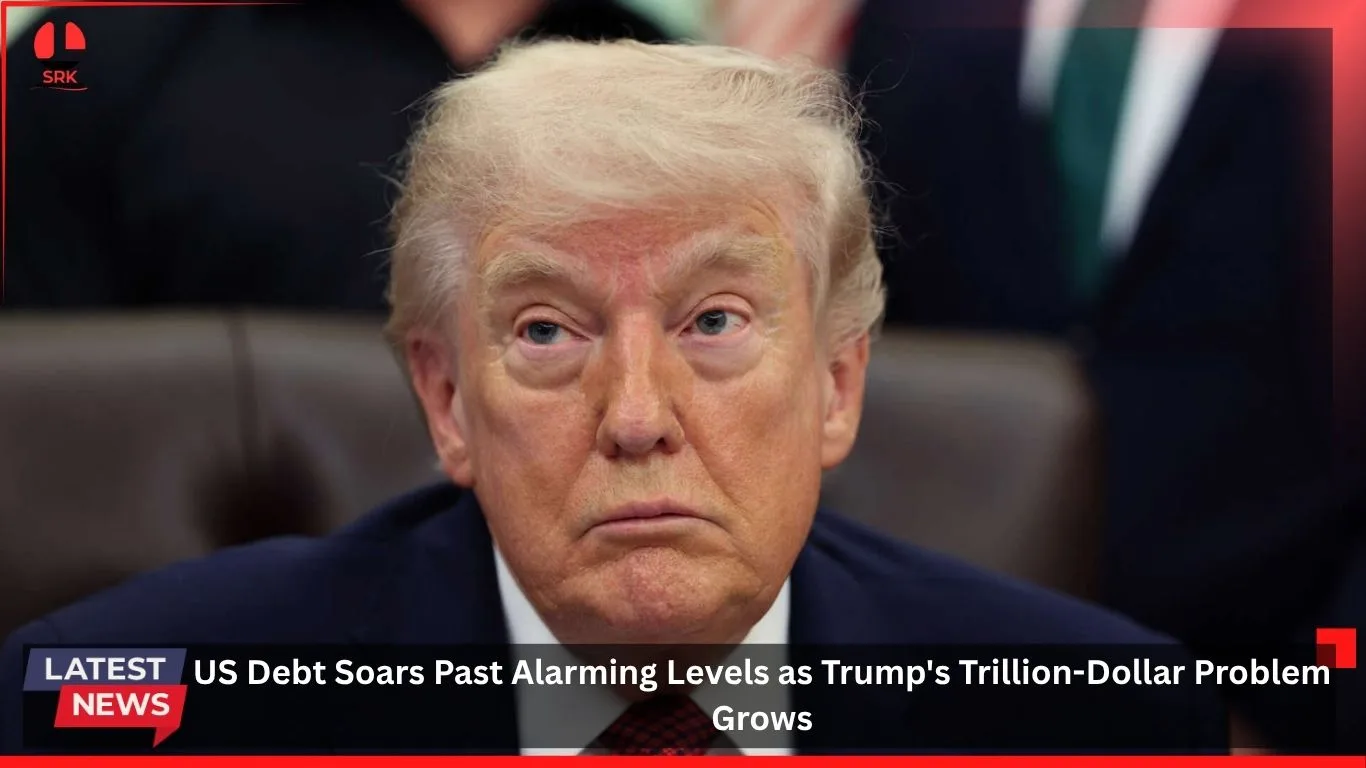
The United States is facing a mounting fiscal crisis as national debt levels continue to surge past alarming thresholds, raising concerns among economists, policymakers, and global financial institutions. Analysts warn that the ballooning debt, now measured in tens of trillions of dollars, represents a growing challenge for President Donald Trump’s administration, which is grappling with the consequences of years of deficit spending, tax cuts, and rising interest obligations.
The Scale of the Debt Crisis
The U.S. national debt has crossed unprecedented levels, with projections showing that it will continue to rise sharply in the coming years. This surge is driven by:
- Massive federal spending programs introduced over the past decade.
- Tax cuts that reduced government revenue while increasing deficits.
- Rising interest rates, which have made servicing the debt more expensive.
- Global economic pressures, including trade imbalances and geopolitical tensions.
Economists caution that the debt trajectory is unsustainable, with annual interest payments alone expected to consume a significant portion of federal revenue.
Trump’s Trillion-Dollar Problem
President Trump faces mounting criticism over the fiscal legacy of his administration. While his policies aimed to stimulate growth through tax reforms and infrastructure spending, they also contributed to widening deficits.
Key challenges include:
- Deficit Financing: Reliance on borrowing to fund government programs.
- Debt Servicing Costs: Rising interest payments that limit fiscal flexibility.
- Global Confidence: Concerns among international investors about the stability of U.S. debt markets.
Critics argue that Trump’s economic agenda has exacerbated the debt crisis, leaving future administrations with limited options to reverse the trend.
Economic Consequences
The soaring debt poses several risks to the U.S. economy:
- Higher Borrowing Costs: As debt levels rise, investors demand higher interest rates, increasing costs for businesses and consumers.
- Reduced Fiscal Space: The government has less room to respond to economic shocks or emergencies.
- Inflationary Pressures: Excessive borrowing can fuel inflation, eroding purchasing power.
- Global Market Instability: The U.S. dollar’s role as the world’s reserve currency could be undermined if debt concerns persist.
Political Reactions
The debt crisis has become a central issue in Washington, with lawmakers divided over how to address it.
- Republicans: Emphasize spending cuts and fiscal discipline but remain supportive of Trump’s tax policies.
- Democrats: Call for reversing tax cuts and increasing revenue through progressive taxation.
- Economists: Urge bipartisan cooperation to implement long-term reforms, including entitlement restructuring and deficit reduction strategies.
Global Implications
The U.S. debt crisis has far-reaching consequences beyond domestic borders. As the world’s largest economy, America’s fiscal health directly impacts global markets.
- Foreign Investors: Countries like China and Japan, which hold large amounts of U.S. debt, are closely monitoring developments.
- Global Trade: Rising debt could weaken the dollar, affecting international trade balances.
- Geopolitical Stability: Economic instability in the U.S. could ripple across global financial systems.
Possible Solutions
Experts suggest several measures to address the debt crisis:
- Fiscal Reforms: Reducing unnecessary spending and restructuring entitlement programs.
- Revenue Enhancement: Revisiting tax policies to increase government income.
- Debt Management: Implementing strategies to refinance and restructure existing debt.
- Economic Growth: Stimulating sustainable growth to expand the revenue base.
However, political divisions make it difficult to implement comprehensive reforms, leaving the debt problem unresolved.
Conclusion
The soaring U.S. debt represents one of the most pressing challenges for President Trump’s administration. With deficits widening and interest obligations mounting, America faces a trillion-dollar problem that threatens both domestic stability and global economic confidence. The path forward requires bold reforms, bipartisan cooperation, and a commitment to fiscal responsibility to prevent the debt crisis from spiraling further out of control.
Disclaimer
This article is a detailed news analysis based on publicly available economic data, political discussions, and expert commentary regarding the U.S. debt crisis. It is intended for informational and journalistic purposes only. The content does not represent personal opinions or endorsements. Readers are encouraged to verify details independently before forming conclusions.