









Military Escalation in the Middle East
The United States military launched a series of targeted strikes against Iranian-backed positions this week, responding directly to a barrage of missile attacks directed at American military installations across the Middle East. President Trump confirmed the retaliatory measures during a briefing, emphasizing that the U.S. remains committed to protecting its personnel and maintaining the security of international maritime routes.
These strikes follow a period of heightened regional volatility characterized by persistent threats to shipping lanes and military infrastructure. The administration cited the necessity of deterring further aggression as the primary driver behind the sudden intensification of military operations.
Context of the Strait of Hormuz
The Strait of Hormuz, a critical chokepoint for global energy supplies, has become the focal point of the current geopolitical standoff. Approximately one-fifth of the world’s oil consumption passes through this narrow waterway, making it a strategic priority for global powers.
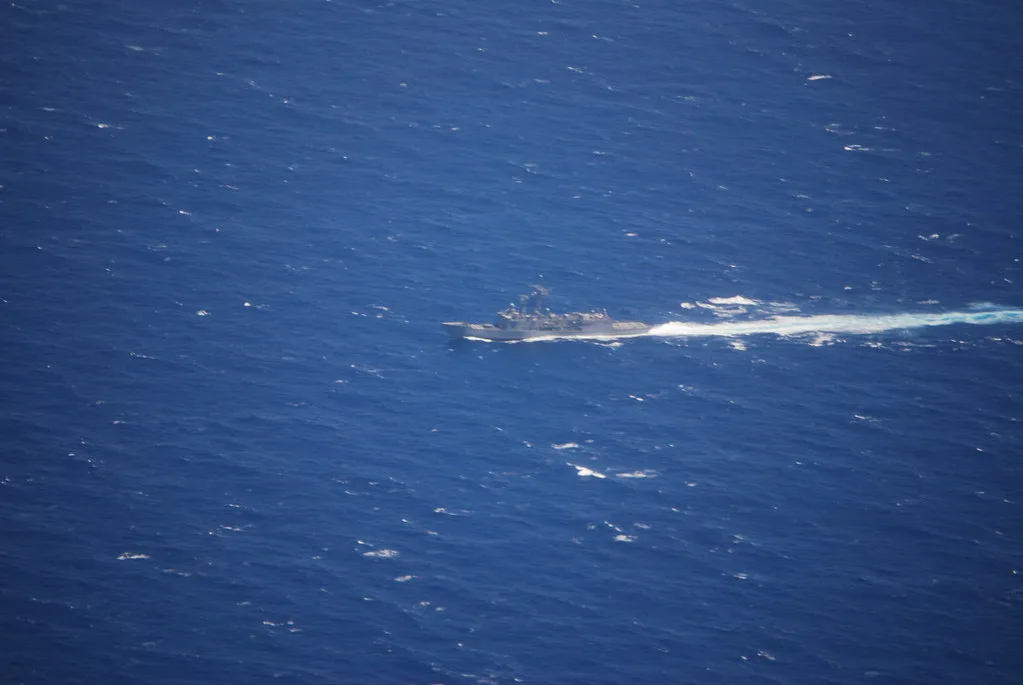
Recent months have seen an increase in the frequency of vessel seizures and harassment in the region. The U.S. Navy has actively increased its presence to escort commercial tankers, viewing these patrols as essential for global economic stability and the uninterrupted flow of energy resources.
Strategic Implications and Military Posture
The decision to conduct strikes represents a significant shift in U.S. policy regarding Iranian regional influence. By moving from a posture of containment to active retaliation, the administration aims to signal that threats to American bases will carry immediate consequences.
Defense analysts point out that this cycle of escalation creates a volatile environment for regional partners. There is growing concern that miscalculation by either side could lead to a broader, unintended conflict that extends beyond current localized skirmishes.
Expert Perspectives and Data
Security experts note that the use of precision-guided munitions in these strikes is intended to minimize civilian casualties while maximizing the degradation of offensive capabilities. According to data from the Center for Strategic and International Studies, Iranian-backed proxy groups have increased their rocket inventory by an estimated 15% over the past year, complicating regional defense efforts.
“The current strategy is a delicate balancing act,” says Dr. Elena Vance, a senior fellow at a Washington-based defense think tank. “The U.S. is attempting to exert control over the Strait of Hormuz without triggering a full-scale conventional war, which remains a high-stakes challenge for military planners.”
Future Outlook and Regional Stability
The industry is now bracing for potential disruptions to trade routes and insurance premiums for maritime shipping. Analysts suggest that shipping companies may soon require additional security protocols or rerouting, which could impact global fuel prices in the coming weeks.
Observers are closely monitoring the potential for a diplomatic response from Tehran and the extent to which regional allies will align with the U.S. stance. The coming days will be critical in determining whether the current military friction subsides or escalates into a more prolonged and complex international crisis.