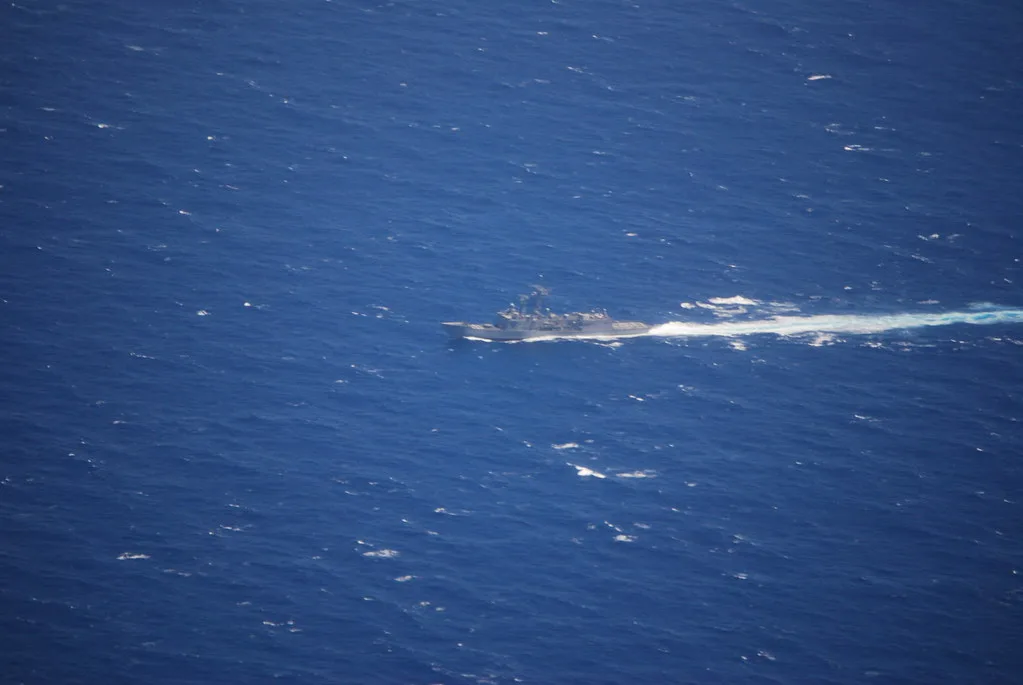










Rising Tensions and Economic Impact
Former President Donald Trump addressed the intersection of geopolitical conflict and domestic economic instability this week, citing the ongoing military friction with Iran as a primary driver behind a sharp spike in U.S. consumer prices. As the conflict intensifies, inflation has reached its highest level since 2023, creating a complex dual-crisis for markets and policymakers.
The Context of Escalation
The current volatility follows a series of aggressive military posturing between the United States and Iran. President Trump has publicly vowed to respond to regional aggression with renewed force, signaling a departure from previous de-escalation attempts. This geopolitical uncertainty has historically correlated with increased volatility in global oil markets and supply chain disruptions.
Market Reactions and Inflationary Pressures
Economic analysts report that the uncertainty surrounding the Iranian conflict has introduced significant upward pressure on energy costs. With oil prices acting as a primary component of the Consumer Price Index (CPI), any sustained military engagement typically translates to higher costs at the fuel pump and increased transportation expenses for goods. Current data indicates that inflation has climbed to its highest point since 2023, effectively reversing the slow cooling trend observed in the previous fiscal quarter.
Expert Perspectives
NBC News correspondents Monica Alba, Courtney Kube, and Brian Cheung noted in a recent briefing that the administration’s focus remains divided between military readiness and domestic economic preservation. Financial experts suggest that the market is currently pricing in a ‘geopolitical risk premium,’ which accounts for the sudden rise in commodity prices. This phenomenon occurs when investors anticipate that conflict will restrict supply, thereby driving up the cost of essential raw materials.
Industry and Consumer Implications
For the average consumer, this spike represents a return to the purchasing power challenges that defined the post-pandemic era. Businesses are now bracing for potential increases in operating costs as logistics and energy expenses fluctuate in response to daily updates from the conflict zone. The manufacturing and logistics sectors are particularly vulnerable, as they rely heavily on predictable fuel pricing to manage thin profit margins.
Future Outlook
Market observers are now closely monitoring the Federal Reserve’s next moves, as the central bank faces the difficult task of balancing interest rate adjustments against a volatile economic backdrop. If the military conflict with Iran persists, analysts expect the inflationary pressure to remain elevated through the end of the fiscal year. Observers should look for upcoming policy statements regarding interest rates, as these will likely serve as the primary indicator of how the government intends to insulate the domestic economy from further international shocks.