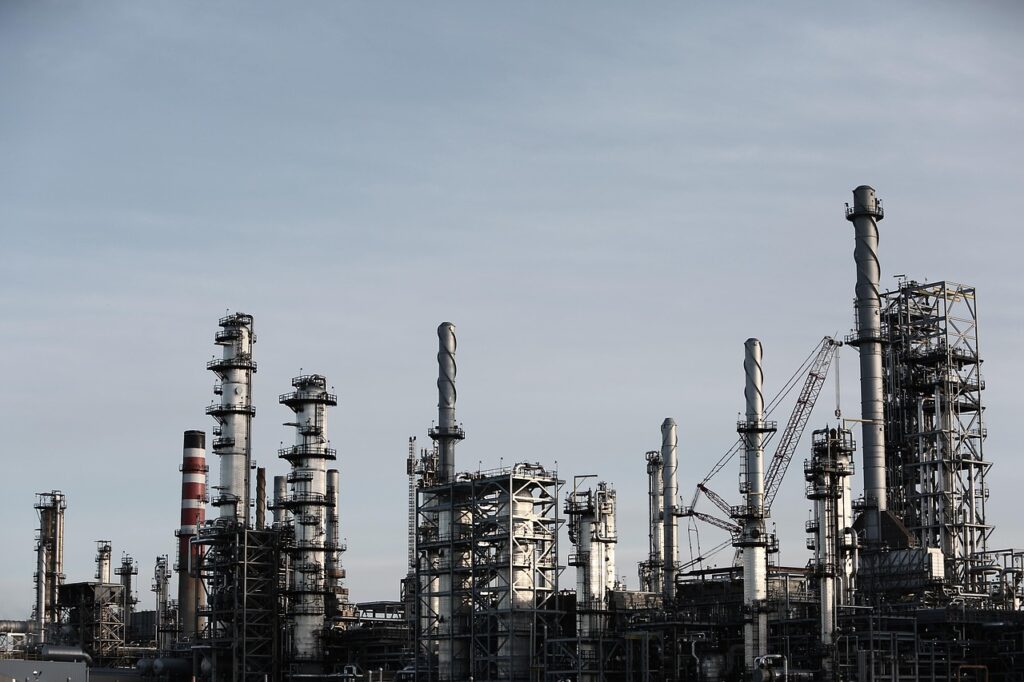

Epigral Limited, a leading Indian chemical manufacturer, announced a strategic shift this week to aggressively expand its footprint in the derivatives and speciality chemicals sector. By focusing on high-value products, the company aims to reduce India’s heavy reliance on chemical imports and strengthen its domestic supply chain, marking a pivotal transition from its traditional commodity-heavy portfolio.
The Strategic Shift
For years, the Indian chemical industry has grappled with significant trade deficits, particularly in complex derivatives that are essential for pharmaceutical and agrochemical manufacturing. Epigral’s move comes as the company seeks to insulate itself from the cyclical volatility inherent in the caustic soda and chlorine markets.
The company plans to deploy significant capital expenditure into research and development to produce specialized molecules that currently command high import premiums. This transition is designed to capture a larger share of the value chain by moving beyond basic industrial chemicals.
Market Context and Industry Impact
India’s chemical sector has seen a surge in demand as global supply chains look for alternatives to China under the ‘China Plus One’ strategy. Domestic manufacturers are under pressure to upgrade their capabilities to meet international quality standards while ensuring cost-competitiveness.
According to recent industry reports from the Federation of Indian Chambers of Commerce and Industry (FICCI), the domestic chemical market is expected to reach $300 billion by 2025. However, this growth is contingent upon firms like Epigral successfully scaling production of import-substitute chemicals.
Expert Perspectives
Market analysts suggest that the pivot is a necessary evolution for long-term sustainability. “Moving into speciality chemicals changes the fundamental nature of the balance sheet,” noted an industry analyst at a leading financial firm. “It shifts the company from being a price-taker in a commoditized market to a value-creator in a specialized ecosystem.”
Data from the Ministry of Chemicals and Fertilizers indicates that India currently imports approximately 30% of its speciality chemical requirements. By localizing this production, companies like Epigral are expected to benefit from government-backed production-linked incentive (PLI) schemes designed to boost domestic manufacturing capacity.
Operational Challenges
While the strategy promises higher margins, analysts caution that the path to market leadership is fraught with technical barriers. Developing speciality derivatives requires stringent regulatory compliance and advanced manufacturing infrastructure that differs significantly from basic chemical production.
Epigral faces the dual challenge of integrating these new production lines while maintaining its current market share in traditional segments. Success will depend on the company’s ability to secure long-term contracts with major pharmaceutical and automotive players who require consistent purity standards.
Future Implications
Investors should monitor the company’s quarterly capital expenditure reports to gauge the speed of this transition. If successful, Epigral’s strategy could serve as a blueprint for other mid-sized chemical manufacturers looking to pivot away from commodity dependence.
Looking ahead, the industry will watch whether domestic production can indeed displace imports in the coming fiscal year. The ability of Epigral to stabilize its margins while scaling its speciality portfolio will be the primary indicator of its long-term viability in this high-stakes competitive landscape.