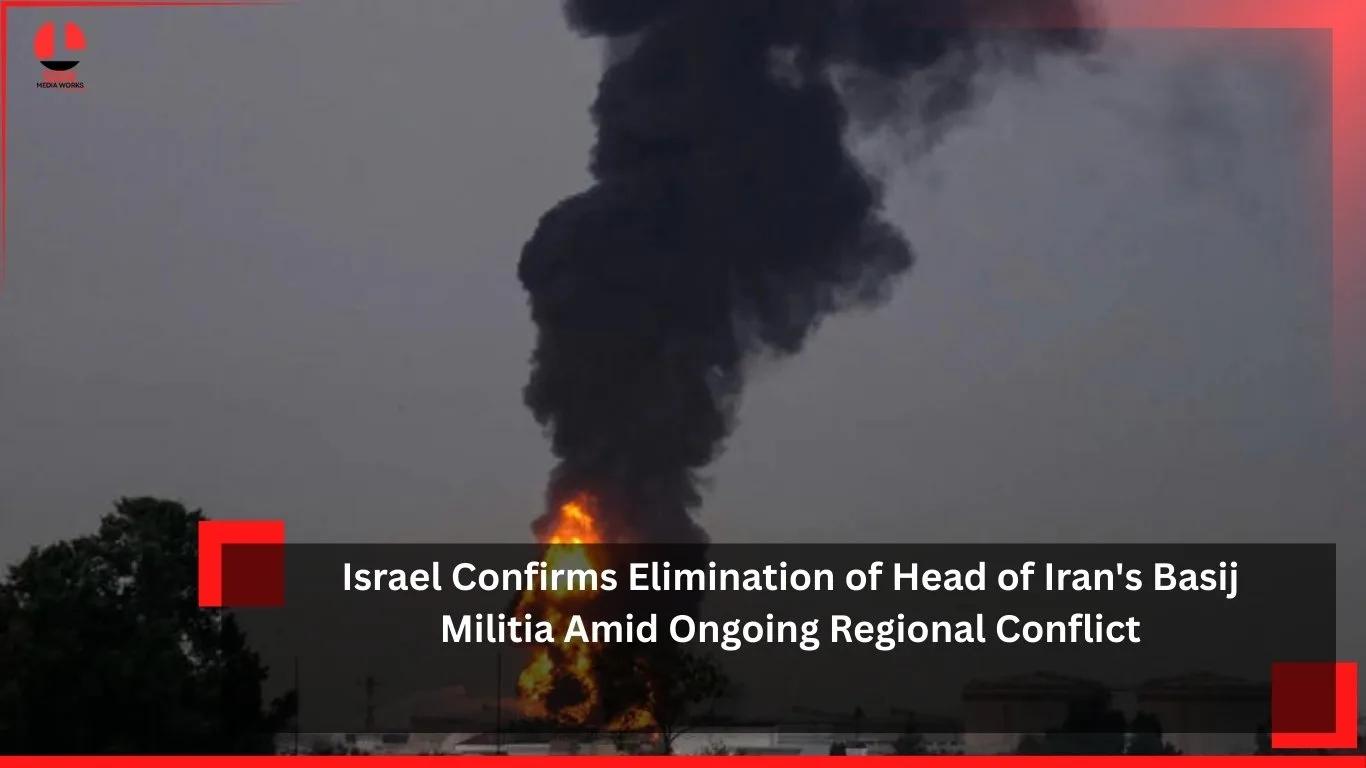
A major escalation has been reported in the Middle East as Israel confirmed the elimination of a senior figure associated with Iran’s Basij militia. This development has intensified the already volatile regional conflict, raising questions about the future of security, diplomacy, and alliances in the area.
Background
The Basij militia, a paramilitary force operating under Iran’s Revolutionary Guard, has long been a key player in regional proxy wars. Its involvement in conflicts across Syria, Iraq, and Lebanon has made it a central target for adversaries. The elimination of its leader marks a significant tactical achievement but also risks further escalation.
Israel’s confirmation of the strike underscores its commitment to countering Iranian influence in the region. However, analysts caution that such actions, while tactically effective, may provoke retaliatory measures and deepen instability.
Why This Matters
- Regional Security: The incident could trigger retaliatory attacks by Iran-backed groups.
- Diplomatic Fallout: Tensions between Tehran and Tel Aviv are likely to intensify.
- Global Energy Markets: Oil prices may fluctuate due to fears of escalation.
- Military Strategy: The strike demonstrates precision capabilities but raises questions about long-term impact.
Key Highlights
| Aspect | Details |
|---|---|
| Target | Senior figure in Basij militia |
| Action | Confirmed elimination by Israel |
| Immediate Impact | Tactical success, symbolic victory |
| Long-Term Effect | Risk of retaliation and instability |
| Global Reaction | Concern over escalation in Middle East |
Comparative Analysis of Similar Incidents
| Year | Incident | Immediate Outcome | Long-Term Impact |
|---|---|---|---|
| 2011 | Elimination of Al-Qaeda leader | Symbolic victory | Continued insurgency |
| 2015 | Strike on Hezbollah commander | Tactical gain | Heightened tensions in Lebanon |
| 2020 | Killing of Iranian general | Global shockwaves | Escalation across Middle East |
| 2026 | Removal of Basij militia head | Tactical success | Risk of prolonged instability |
This comparison highlights how targeted eliminations often deliver short-term victories but rarely resolve underlying conflicts.
Public Reactions
- Supporters of the Strike: Applauded the action as a necessary step to weaken Iran’s influence.
- Critics: Warned that such actions could destabilize the region further.
- Neutral Analysts: Emphasized the importance of combining military precision with diplomatic engagement.
Stakeholder Breakdown
| Stakeholder | Position | Impact |
|---|---|---|
| Israel | Confirmed elimination | Tactical success, risk of retaliation |
| Iran | Faces leadership loss | Likely to escalate response |
| Regional Allies | Observing closely | Adjusting security strategies |
| Citizens | Divided opinions | Concerns over safety and stability |
| Global Markets | Reacting to news | Oil price volatility |
Broader Impact
The elimination of a senior militia figure underscores the complexity of modern warfare. Precision strikes can weaken adversaries temporarily, but they rarely dismantle networks or resolve ideological conflicts. Instead, they risk creating cycles of retaliation that prolong instability.
For regional powers, the incident highlights the need to balance military actions with diplomatic initiatives. For global markets, it serves as a reminder of how quickly geopolitical tensions can affect energy prices and supply chains.
Conclusion
The confirmed elimination of a senior militia leader marks a significant tactical achievement but also raises serious concerns about the future of regional stability. While the strike demonstrates military precision, it underscores the limitations of such actions in achieving long-term peace.
The coming months will be critical in determining whether this incident leads to further escalation or opens the door to renewed diplomatic efforts.
Disclaimer
This article is intended for informational purposes only and does not constitute military or political advice. The content is based on publicly available information and analysis at the time of writing. Readers are encouraged to consider multiple perspectives before forming conclusions on sensitive geopolitical issues.