





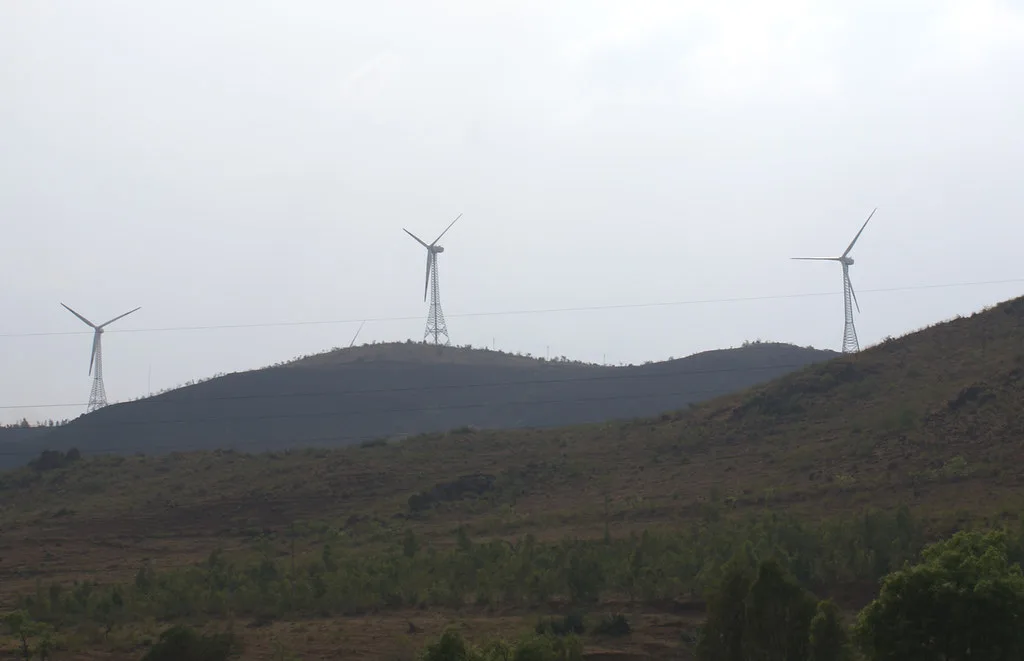
Sagar Adani, Executive Director of Adani Green Energy, recently identified mass electrification as India’s primary defense mechanism against mounting global systemic risks. Speaking on the nation’s long-term developmental trajectory, Adani argued that critical sectors—including water security, food systems, and the accelerating digital economy—are currently constrained by a singular, persistent bottleneck: the availability of reliable, affordable energy.
The Energy-Development Nexus
India’s economic landscape is currently navigating a period of rapid urbanization and industrial expansion. As the nation aims to maintain its status as one of the world’s fastest-growing major economies, the demand for electricity is projected to climb at an unprecedented rate.
Historically, India has relied heavily on fossil fuels to power its industrial base. However, the volatility of global energy markets and the urgent necessity to meet climate commitments have forced a strategic pivot toward renewable integration.
Scaling Infrastructure for Growth
The argument for “electrifying everything” centers on the efficiency gains inherent in replacing direct fuel combustion with electric alternatives. By transitioning heavy industry, public transport, and agricultural irrigation to electric power, India can decouple its growth from imported energy price shocks.
Data from the International Energy Agency (IEA) supports this shift, noting that India is uniquely positioned to become a global leader in renewable energy manufacturing. The transition is not merely environmental; it is a fundamental restructuring of the national supply chain to favor domestic production over external dependency.
Expert Perspectives on Energy Security
Industry analysts suggest that the electrification of the agricultural sector represents a massive, untapped opportunity for productivity. Currently, a significant portion of India’s groundwater extraction relies on diesel-powered pumps, which are both costly and carbon-intensive.
Replacing these with solar-powered systems directly addresses the water-energy-food nexus. By lowering operational costs for farmers, the government can stimulate rural development while simultaneously stabilizing the national power grid through decentralized generation.
The Digital Economy Requirement
Beyond physical infrastructure, the digital revolution in India—driven by widespread smartphone adoption and the push for a “Digital India”—requires a constant, high-quality power supply. Data centers and cloud computing hubs, which form the backbone of the modern economy, are among the most energy-intensive facilities globally.
Reliable, green energy is no longer an optional utility for the tech sector; it is a prerequisite for attracting foreign direct investment. Global technology giants are increasingly mandating that their supply chains be powered by 100% renewable energy, making India’s green transition a competitive necessity.
Future Implications and Market Outlook
The coming decade will likely be defined by how effectively India can integrate intermittent renewable sources like wind and solar into its base-load power supply. This will require significant capital investment in battery storage technologies and grid-balancing software.
Investors and policy makers are now watching for the next phase of regulatory reforms, specifically regarding grid modernization and decentralized distribution. As India continues to scale its renewable capacity, the success of this electrification strategy will likely serve as a blueprint for other emerging economies facing similar climate and developmental challenges.