





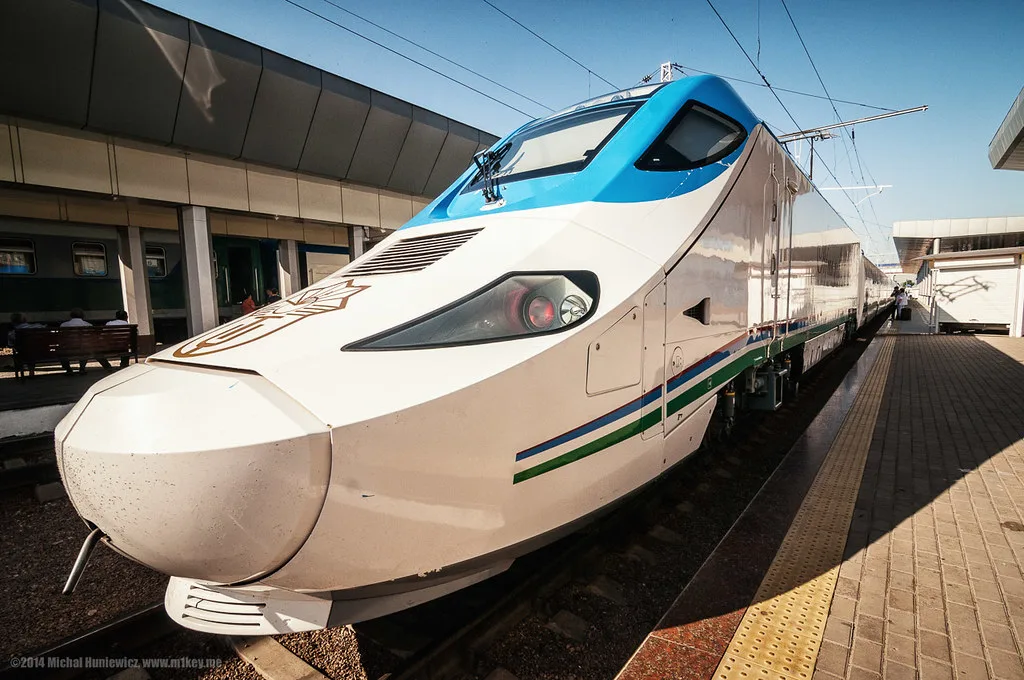
While nations across Europe, Asia, and the Middle East have spent the last five decades cementing high-speed rail as the backbone of modern transportation, the United States remains a glaring outlier in the global landscape. Despite the proven success of systems like Japan’s Shinkansen and France’s TGV, American transit infrastructure continues to rely heavily on aging rail networks and an overwhelming dependence on automotive travel and domestic aviation.
The Evolution of High-Speed Transit
High-speed rail (HSR) typically refers to train systems operating at speeds exceeding 155 mph on dedicated tracks. Since Japan inaugurated the Tokaido Shinkansen in 1964, the technology has revolutionized regional connectivity, drastically reducing travel times between major economic hubs. Today, China alone boasts more than 25,000 miles of high-speed track, accounting for roughly two-thirds of the world’s total high-speed network.
In contrast, the United States has struggled to move beyond the planning phase for most proposed corridors. The Northeast Corridor remains the only portion of the U.S. rail network where trains approach high-speed thresholds, yet even there, infrastructure constraints prevent consistent, widespread high-speed performance.
Barriers to American Implementation
Several structural and political hurdles explain the persistent lag in American rail development. Unlike European and Asian nations, where rail rights-of-way are often government-owned, U.S. rail corridors are largely controlled by private freight companies. Negotiating access for passenger trains on these tracks creates significant operational conflicts and limits velocity.
Furthermore, the American approach to transportation funding has historically favored highway expansion. According to the U.S. Department of Transportation, federal funding mechanisms are deeply entrenched in the Highway Trust Fund, leaving rail projects to compete for smaller, often inconsistent grant pools. This fragmentation makes long-term, multi-billion dollar projects vulnerable to shifting political cycles and budgetary volatility.
Economic and Environmental Perspectives
Industry analysts point to the environmental and economic dividends of high-speed rail as primary drivers for global investment. The International Union of Railways (UIC) reports that high-speed trains produce significantly lower carbon emissions per passenger kilometer compared to short-haul flights or private vehicles. Beyond sustainability, HSR fosters regional economic integration by expanding labor markets and reducing the costs associated with congestion and traffic accidents.
“The economic impact of high-speed rail is not just about moving people faster, but about creating corridors of growth that connect secondary cities to major urban centers,” says transit economist Dr. Elena Vance. “When you look at the data from Spain or Germany, you see a marked increase in regional GDP along high-speed corridors because the barrier of distance effectively vanishes.”
Future Implications and Outlook
As the U.S. faces mounting pressure to modernize infrastructure and meet climate goals, momentum for high-speed rail is shifting. The Brightline West project, connecting Las Vegas to Southern California, and the ongoing construction of California’s high-speed rail project represent the most serious attempts in decades to introduce true HSR technology to American soil.
Observers should watch for how these current pilot projects handle cost overruns and land acquisition challenges in the coming years. If these initiatives succeed, they could provide a blueprint for a national high-speed network, or conversely, they may serve as a cautionary tale for future legislators. The next decade will likely determine whether the United States can finally bridge its infrastructure gap with the rest of the developed world.