




Navigating the Chokepoint
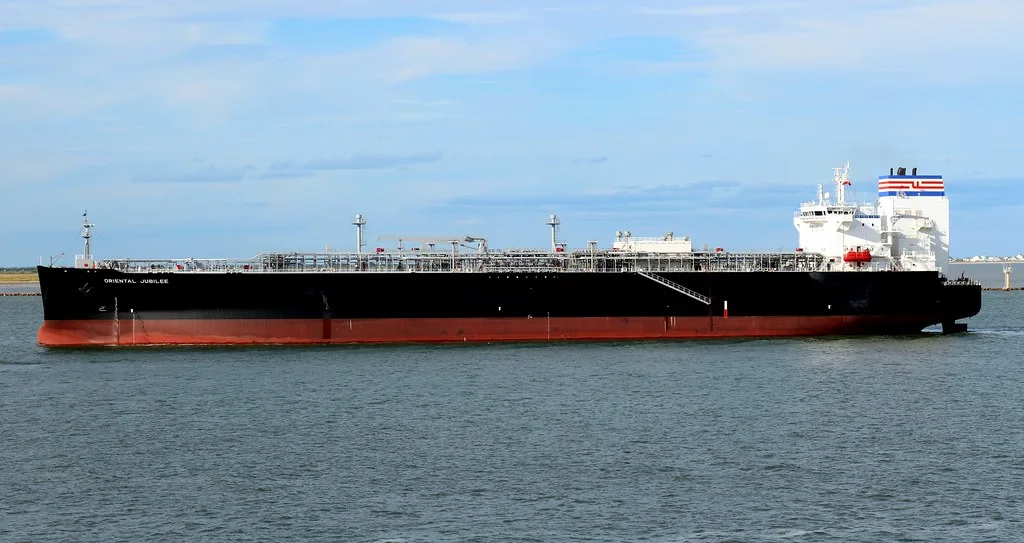
The 45,000-tonne LPG tanker Sarv Shakti successfully navigated the Strait of Hormuz this week, completing a high-stakes transit that secures a vital energy lifeline for India. As the world’s second-largest consumer of liquefied petroleum gas, India faces acute pressure to stabilize its supply chain amidst escalating geopolitical volatility in the Middle East and ongoing enforcement of U.S. maritime sanctions.
The Geopolitical Context
The Strait of Hormuz remains the world’s most significant oil and gas chokepoint, with approximately 21 million barrels of petroleum liquids passing through daily, according to the U.S. Energy Information Administration. For India, which relies heavily on imports to meet domestic cooking fuel demands, the passage of the Sarv Shakti represents more than just a routine logistical maneuver.
The transit occurs against a backdrop of intensified U.S. sanctions targeting Iran-linked shipping networks. These restrictions have tightened the availability of compliant vessels, forcing nations to navigate a complex web of legal and security risks to ensure the steady flow of energy resources.
Operational Hurdles and Strategic Risks
Securing the passage of the Sarv Shakti required careful coordination between maritime operators and stakeholders. Industry experts note that the increased surveillance of the region by naval forces has created a bottleneck where insurance premiums and operational costs are rising sharply.
Data from maritime tracking services indicates that shipping companies are increasingly utilizing sophisticated AIS (Automatic Identification System) management to mitigate risks during transit. The successful crossing of this specific vessel demonstrates that despite the blockade-like environment, energy trade routes remain technically navigable for those capable of adhering to rigorous compliance standards.
Expert Perspectives
Energy analysts suggest that India’s ability to secure its LPG supply is a litmus test for its broader energy security strategy. “The successful transit of a vessel of this size through such a contested zone underscores the importance of diplomatic and logistical agility,” says an industry consultant familiar with the regional trade routes.
Market data reflects that domestic LPG prices in India are highly sensitive to these maritime disruptions. Every day of delay in the Strait of Hormuz can translate into significant inflationary pressure on household energy budgets across the subcontinent.
Implications for the Industry
The successful passage of the Sarv Shakti sets a precedent for how energy-dependent nations may approach maritime logistics in the coming months. If tensions in the Middle East continue to escalate, the industry expects a shift toward longer-term chartering agreements and increased state-backed insurance guarantees to protect critical energy infrastructure.
Observers should watch for potential adjustments in maritime insurance premiums and any new regulatory guidance from the U.S. Treasury regarding energy-related shipping. Furthermore, the role of alternative shipping corridors and the expansion of India’s strategic petroleum reserves will remain key indicators of the country’s long-term resilience against future supply chain shocks.