





Election Security Under Scrutiny
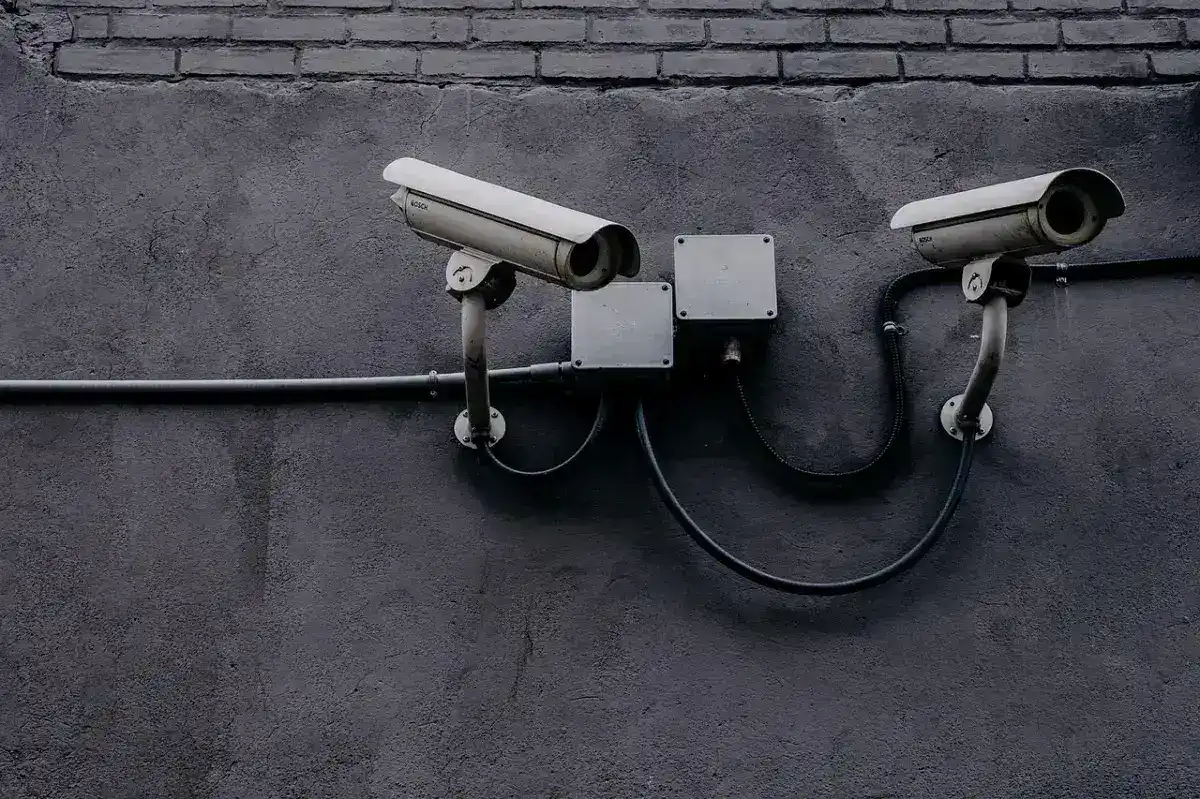
West Bengal Chief Minister Mamata Banerjee has raised serious concerns regarding the integrity of the vote-counting process, alleging that power cuts and the intentional disabling of CCTV cameras have occurred in several constituencies. These claims surfaced late Monday evening, just hours before the official commencement of the vote count for the West Bengal assembly elections, sparking immediate tension across the state’s political landscape.
Context of the Allegations
The accusations come at a critical juncture in the state’s electoral cycle, as political parties await the final verdict on their performance. In West Bengal, election counting centers are strictly regulated by the Election Commission of India (ECI), which mandates continuous video surveillance and stable power infrastructure to ensure transparency.
Historically, accusations of electoral malpractice in West Bengal have been frequent, often centering on the management of strong rooms where electronic voting machines (EVMs) are stored. The ECI typically maintains a multi-layered security protocol, including Central Armed Police Forces (CAPF) presence, to prevent unauthorized access to these facilities.
Detailed Coverage and Security Concerns
The Trinamool Congress (TMC) leadership, headed by Banerjee, has instructed its counting agents to remain vigilant and report any anomalies in real-time. The party claims that the alleged disruptions represent a coordinated effort to manipulate the security environment surrounding the ballot boxes.
Independent observers note that while power fluctuations can occur due to regional infrastructure issues, the simultaneous failure of surveillance systems during a high-stakes electoral process often triggers widespread suspicion. The ECI has yet to issue a comprehensive formal response addressing these specific allegations, though officials have stated that all security protocols remain strictly enforced.
Expert Perspectives
Political analysts suggest that such rhetoric is common in the final hours before results, aimed at energizing party cadres and establishing a narrative of vigilance. Dr. Anirban Ghosh, a political scientist, states that “when parties raise these issues, they are often preparing their followers for either a victory or a contested defeat, utilizing the optics of security to frame the legitimacy of the outcome.”
Data from previous election cycles indicates that while technical glitches in surveillance equipment are occasionally reported, verified instances of systemic manipulation at counting centers are rare. However, the perception of bias remains a significant factor in how the electorate processes the final results.
Industry and Political Implications
For the electorate, these allegations underscore the fragile nature of trust in the democratic process. Industry observers and technology experts argue that the reliance on legacy security systems, such as aging CCTV networks, leaves the process vulnerable to both actual technical failure and public skepticism.
Moving forward, the primary focus will remain on the ECI’s ability to provide transparent documentation of the counting process. Future electoral reforms may need to prioritize redundant power systems and decentralized, cloud-based surveillance logs that cannot be easily disabled or manipulated by local actors. Observers will be watching for official ECI audits of the affected centers to see if these claims of power and camera failures are substantiated by physical logs or maintenance reports.