




A massive wildfire erupted within the Florida Everglades this week, consuming thousands of acres of protected wetlands and prompting emergency response teams to mobilize across the region. Local fire officials confirmed that the blaze, fueled by unseasonably dry conditions and high winds, began Tuesday and continues to threaten the delicate ecosystem of the national park.
Understanding the Everglades Ecosystem
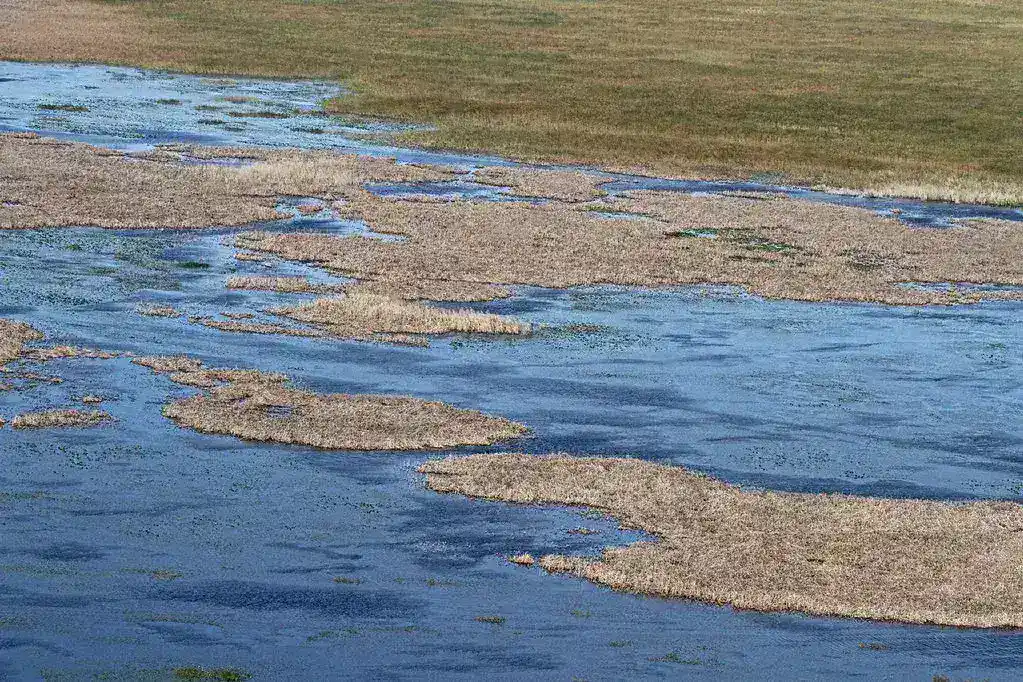
The Florida Everglades is a sprawling, subtropical wilderness that relies heavily on a precise hydrological balance to maintain its health. During the dry season, the region becomes highly susceptible to combustion as water levels recede, exposing peat and dried sawgrass that act as potent fuel sources for fires.
National Park Service data indicates that fire is a natural component of the Everglades’ ecological cycle, helping to clear out dense vegetation and promote new growth. However, when fires grow to this scale, they can damage the peat soil layers that take centuries to form, potentially altering the landscape for decades.
Managing the Blaze
Firefighting crews are currently utilizing a combination of aerial water drops and controlled back-burning to contain the fire’s perimeter. The remote nature of the terrain, characterized by dense mangroves and swampy marshes, has made ground access difficult for heavy equipment.
“The primary objective is the protection of life and critical infrastructure,” stated a representative from the Florida Forest Service. “We are coordinating with regional agencies to ensure that fire lines are established before the wind shifts later this week.”
Environmental and Economic Impacts
Ecologists are closely monitoring the impact on local wildlife, particularly endangered species like the Florida panther and the Cape Sable seaside sparrow. Smoke from the fire has also affected air quality in surrounding communities, leading local health departments to issue advisories for residents with respiratory conditions.
Beyond the immediate environmental damage, the fire serves as a stark reminder of the increasing frequency of wildfires in the Southeastern United States. Climate researchers note that shifting precipitation patterns are extending the fire season, putting additional pressure on conservation efforts.
The Road Ahead
Looking forward, the intensity of this fire underscores the need for improved wildfire mitigation strategies, including more frequent prescribed burns during safer, wetter months. Experts will be watching the recovery process closely once the flames are extinguished to determine the long-term viability of the affected vegetation.
Future monitoring will focus on how quickly the native sawgrass and cypress trees regenerate in the charred zones. With drought conditions expected to persist in Southern Florida, land managers are preparing for an elevated risk of secondary fires throughout the remainder of the season.