





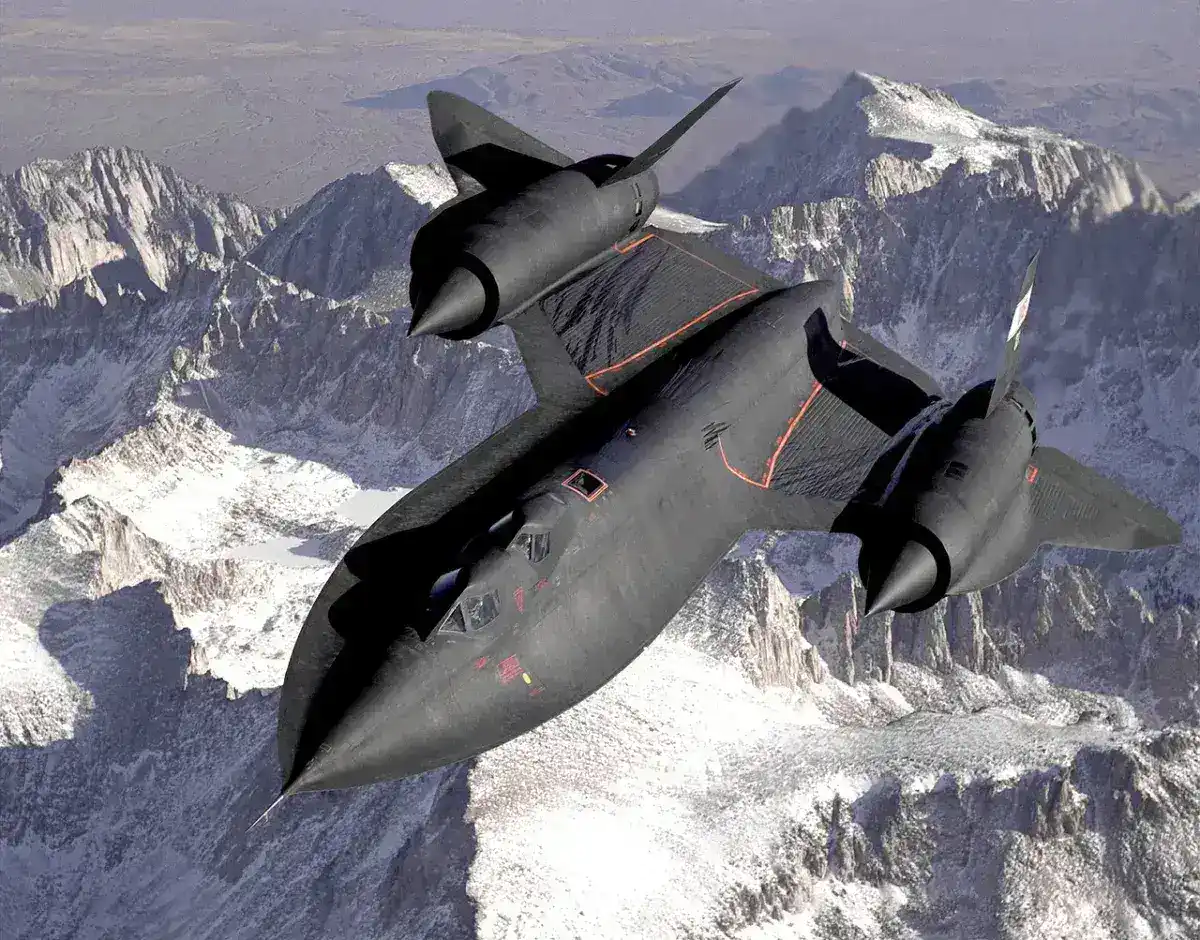
A team of students at the Indian Institute of Technology (IIT) Jammu has successfully engineered a novel drone prototype capable of evading radar detection and electronic jamming, marking a significant breakthrough in autonomous aerial technology. Developed in the campus laboratories this month, the unmanned aerial vehicle (UAV) eschews standard radio frequency (RF) protocols, effectively rendering traditional signal-blocking countermeasures obsolete.
The Evolution of Drone Vulnerability
For years, the primary weakness of military and commercial drones has been their reliance on radio frequency links for navigation and data transmission. Electronic warfare units typically neutralize these devices by flooding the operational spectrum with interference, forcing the drone to crash or return to its home point. This vulnerability has become increasingly critical as global conflicts, such as the war in Ukraine, have demonstrated how easily conventional UAVs can be intercepted or downed.
The IIT Jammu team addressed this by integrating advanced, proprietary communication architecture that bypasses the electromagnetic signatures targeted by signal jammers. By shifting away from the saturated RF bands, the drone maintains a low-observable profile that complicates tracking efforts by conventional defense systems.
Technical Innovations in Stealth
The drone’s design philosophy centers on autonomous navigation and localized processing. Rather than relying on a constant stream of commands from a ground control station, the unit utilizes onboard AI algorithms to execute flight paths and mission parameters independently.
Industry experts note that this shift toward edge computing is the future of tactical aviation. Dr. Anirban Mukherjee, a specialist in robotic systems, suggests that removing the ‘tether’ of radio communication is the most effective way to ensure mission success in hostile environments. Data from recent defense symposiums indicates that ‘denied-environment’ operations—areas where GPS and radio signals are actively suppressed—are the next frontier for drone development.
Implications for Global Defense and Industry
The implications of this technology extend far beyond the laboratory. For the defense sector, this development suggests a pivot toward ‘silent’ drones that can operate in contested airspace without risking loss of signal. This could redefine how reconnaissance and surveillance missions are conducted in high-threat zones.
For the broader robotics industry, the IIT Jammu breakthrough serves as a proof-of-concept for resilient, decentralized control systems. As commercial drone applications expand into logistics and remote infrastructure monitoring, the demand for hardware that can resist accidental interference or malicious jamming will likely skyrocket.
Looking ahead, the research team is expected to focus on scaling the payload capacity of the stealth units while refining the battery efficiency for longer-range missions. Observers should monitor upcoming field trials, which will likely determine if this technology can be integrated into existing military hardware or if it will spawn an entirely new generation of autonomous, jam-resistant aerial platforms.