




Contextualizing Domestic Focus During International Crisis
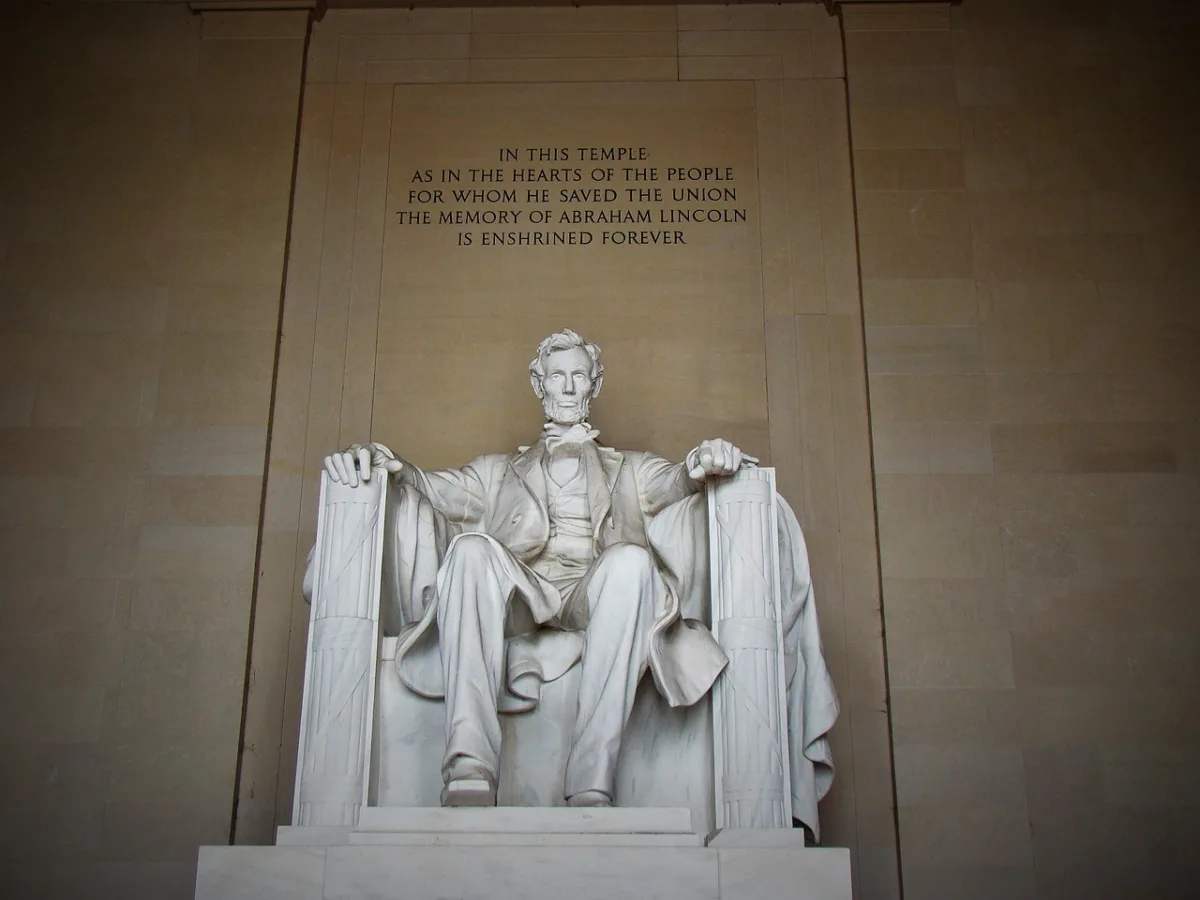
President Donald Trump faced direct questioning regarding his administration’s focus on domestic infrastructure projects, specifically renovations to the Lincoln Memorial Reflecting Pool, during a high-stakes period of military tension with Iran. The inquiry occurred during a site visit in Washington D.C., highlighting a sharp contrast between ongoing maintenance of national monuments and the geopolitical instability unfolding in the Middle East.
The Intersection of Infrastructure and Foreign Policy
The renovations to the Reflecting Pool are part of a broader, multi-million dollar initiative aimed at preserving D.C.’s iconic landmarks. Proponents of these projects argue that maintaining national heritage sites is a critical function of the federal government, regardless of the global security climate.
However, critics suggest that the optics of focusing on aesthetic and structural improvements in the capital can appear disconnected from the gravity of potential military escalation. This tension reflects a perennial challenge for executive leadership: balancing the demands of daily governance with the urgent requirements of national security.
Strategic Priorities and Public Perception
Political analysts note that administrations often attempt to project normalcy during times of war to prevent public panic and maintain domestic stability. By continuing with scheduled infrastructure improvements, the White House signals that the machinery of government remains focused on long-term domestic objectives despite foreign crises.
Data from historical polling suggests that voters often hold bifurcated views on such issues. According to recent political science research, while the public demands decisive action in foreign policy, they simultaneously expect the government to manage domestic affairs efficiently and visibly.
The current situation mirrors past debates where presidents were scrutinized for their daily activities during international conflicts. Maintaining a visible, productive schedule is a standard strategy used by communications teams to demonstrate executive control and continuity.
Implications for Future Governance
The focus on these renovations suggests a deliberate effort by the administration to maintain a steady domestic agenda. For the industry and the public, this underscores the reality that domestic operations rarely pause for geopolitical crises.
Observers are now watching to see how the administration balances these ongoing public works projects with the accelerating demands of the Iran situation. Any pivot in the president’s public schedule to focus exclusively on military matters would likely signal a significant escalation in the administration’s assessment of the conflict’s severity.