




The Hijacking Incident
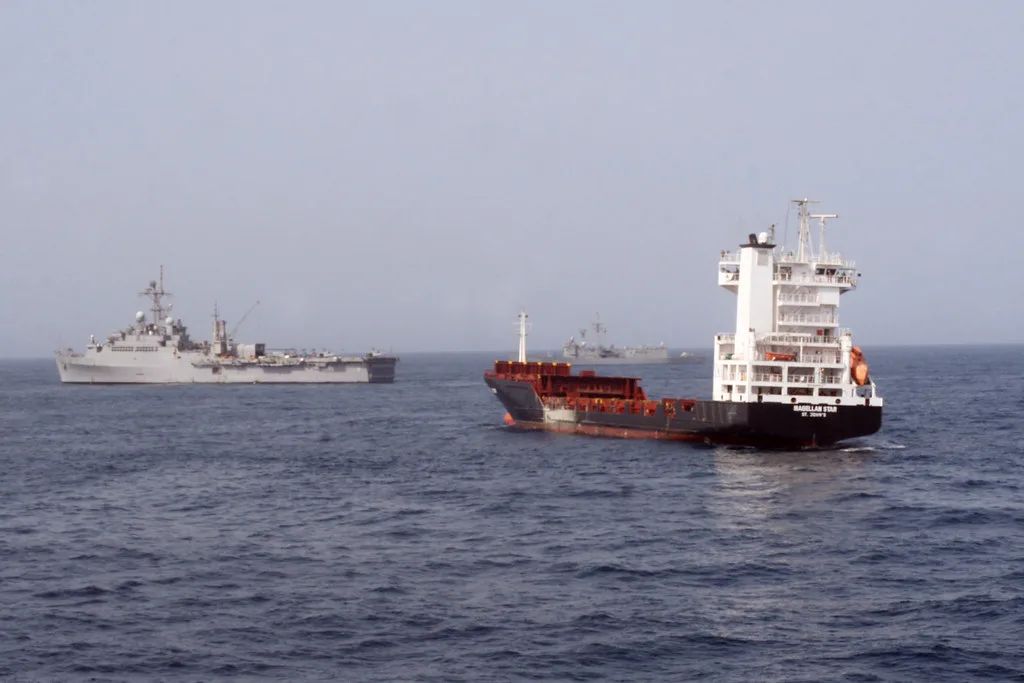
Unidentified armed attackers seized control of an oil tanker on Saturday in the volatile waters of the Gulf of Aden, off the coast of Yemen, according to reports from the Yemeni coast guard. The vessel, which was intercepted while navigating a critical global trade route, has since been redirected toward the coast of Somalia, raising immediate concerns regarding maritime security and the safety of the crew.
The Strategic Context of the Gulf of Aden
The Gulf of Aden remains one of the world’s most perilous maritime corridors, serving as a primary artery for oil shipments traveling from the Middle East to Europe via the Suez Canal. For over a decade, this region has been a focal point for piracy, maritime terrorism, and geopolitical instability linked to the ongoing conflict in Yemen and the fractured governance in Somalia.
International naval forces have maintained a persistent presence in the area through initiatives like the European Union’s Operation Atalanta and the Combined Maritime Forces. Despite these efforts, the vast geography of the Indian Ocean and the Gulf of Aden makes it difficult to provide constant protection for every commercial vessel traversing the chokepoint.
Evolving Maritime Threats
Security analysts suggest that the hijacking represents a potential shift in the operational tactics used by non-state actors in the region. While piracy off the Somali coast experienced a significant decline following its peak between 2008 and 2012, recent regional instability has provided a fertile environment for a resurgence of criminal activity.
“The return of large-scale hijackings indicates that the underlying vulnerabilities—namely the lack of effective coastal governance and the desperation caused by economic instability—remain unaddressed,” noted a senior consultant at the Maritime Security Centre. Recent data from the International Maritime Bureau (IMB) has shown a modest uptick in reported incidents in the region, prompting shipping companies to reconsider their route planning and security protocols.
The hijacking also complicates the already strained logistical landscape for global energy supplies. As insurance premiums for vessels traversing the Gulf of Aden rise in response to the increased risk, the cost of transporting crude oil could see a measurable increase, ultimately impacting global energy markets if the trend persists.
Industry Implications and Future Outlook
For the shipping industry, the immediate concern is the welfare of the crew members aboard the hijacked vessel. Maritime labor organizations are calling for intensified international cooperation to secure their release and to establish clearer communication channels between commercial operators and naval patrols.
Looking ahead, stakeholders in the maritime sector are bracing for a period of heightened vigilance. Experts suggest that the next few months will be critical in determining whether this incident is an isolated occurrence or the start of a broader campaign. Industry observers will be watching for responses from regional powers and the potential for increased military escorts for tankers moving through the Bab el-Mandeb Strait, as the international community weighs the need for renewed naval mandates to protect commercial transit.