




Strategic Shifts on the Frontlines
Western intelligence officials reported this week that Russian military forces are increasingly relying on antiquated, post-World War II-era equipment as the conflict in Ukraine persists. This tactical pivot occurs simultaneously with high-profile diplomatic tensions, marked by a Moscow court’s rejection of an appeal by detained Wall Street Journal reporter Evan Gershkovich and a rare visit by President Vladimir Putin to military command centers in the Kherson region.
The Decline of Modern Capabilities
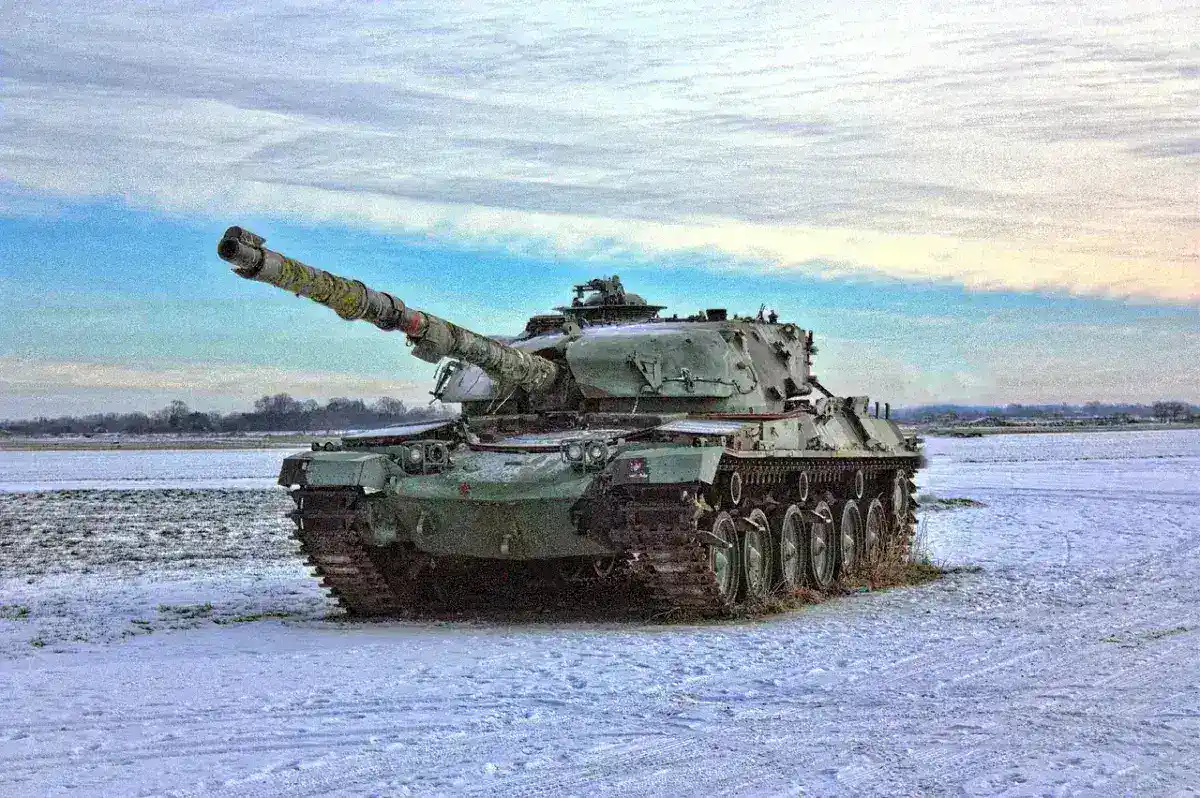
Defense analysts suggest that the deployment of aging hardware, including T-54 and T-55 tanks, indicates significant logistical strain within the Russian military-industrial complex. While these platforms were once the backbone of Soviet armor, their lack of modern reactive armor and sophisticated targeting systems renders them vulnerable on contemporary battlefields.
Intelligence reports from the UK Ministry of Defence indicate that Russia has lost thousands of armored vehicles since the start of the invasion in February 2022. The reliance on vintage inventory suggests that domestic production capacity is failing to keep pace with combat attrition rates.
Diplomatic Isolation and Judicial Pressure
The legal proceedings surrounding Evan Gershkovich have drawn sharp condemnation from the international community. A Moscow court recently upheld the decision to keep the American reporter in pre-trial detention on espionage charges, which the Wall Street Journal and the U.S. government categorically deny.
This judicial action is viewed by many observers as a tool for geopolitical leverage. By maintaining the detention of a Western journalist, the Kremlin signals a hardening stance against foreign media and diplomatic pressure, further complicating the prospects for prisoner exchanges or de-escalation.
High-Stakes Symbolism in Kherson
President Putin’s recent visit to military headquarters in the Kherson and Luhansk regions served as a calculated display of command and control. The Kremlin released footage of the president receiving reports from commanders, aiming to project stability during a period of reported equipment shortages and strategic uncertainty.
However, the visit highlights the ongoing volatility of the occupied territories. Despite the official framing of the trip, military experts note that the Russian leadership remains under immense pressure to justify the human and material costs of a conflict that has dragged on far longer than initial projections suggested.
Industry and Global Implications
The degradation of Russian military technology has profound implications for global security dynamics. As Russia pivots toward older, less effective machinery, the nature of the conflict in Ukraine is shifting toward a war of attrition where volume and endurance may outweigh technical sophistication.
For the defense industry, this trend underscores the critical importance of supply chain resilience and the rapid manufacturing of precision munitions. Nations worldwide are now re-evaluating their own stockpiles, recognizing that the speed of consumption in a modern, large-scale conventional war far exceeds the current manufacturing output of most Western economies.
Moving forward, analysts will be watching for signs of whether Russia can sustain its current rate of operations or if the continued depletion of advanced equipment will force a change in frontline strategy. Additionally, the international response to the continued detention of journalists and civilians will remain a pivotal factor in the broader diplomatic struggle between Moscow and the West.