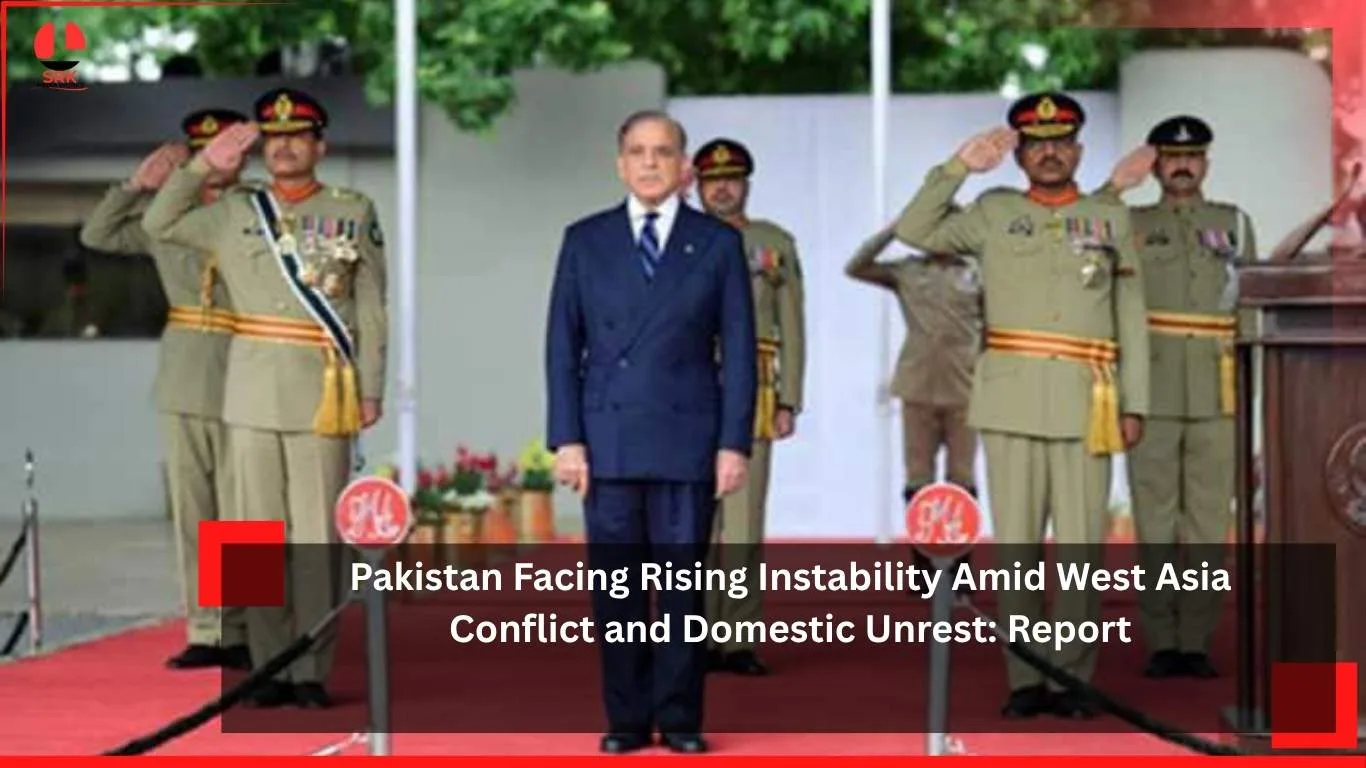
Pakistan is grappling with mounting instability as regional tensions in West Asia combine with internal political and economic unrest. A new report highlights how the country’s fragile domestic situation is being further complicated by external conflicts, creating a volatile environment with implications for governance, security, and regional diplomacy.
Regional Pressures from West Asia
The ongoing conflict in West Asia has disrupted trade routes, raised energy costs, and heightened security concerns across South Asia. Pakistan, heavily reliant on imports and regional cooperation, finds itself squeezed between global economic pressures and local vulnerabilities.
- Energy Dependence: Rising oil prices due to instability in West Asia have strained Pakistan’s economy.
- Security Concerns: Spillover effects from regional conflicts increase risks of militancy and border tensions.
- Diplomatic Challenges: Pakistan faces pressure to balance ties with Gulf nations while managing domestic priorities.
Domestic Unrest
Internally, Pakistan is facing political turbulence, economic hardship, and social unrest. Inflation, unemployment, and governance challenges have fueled public dissatisfaction. Protests across major cities reflect growing frustration with leadership and economic management.
Key Domestic Issues
- Political Instability: Frequent clashes between ruling and opposition parties.
- Economic Struggles: Currency depreciation and rising inflation.
- Social Unrest: Protests over unemployment, governance, and corruption.
Comparative Analysis of Pakistan’s Instability
| Factor | Current Status | Impact on Stability |
|---|---|---|
| Political Climate | Highly polarized | Weak governance |
| Economic Situation | Inflation above 20% | Public discontent |
| Security Environment | Rising militancy | Increased risk |
| Regional Relations | Strained by West Asia conflict | Diplomatic challenges |
This analysis shows that instability is multi-dimensional, with domestic and external factors reinforcing each other.
Pivot Analysis: Areas of Concern
| Area of Concern | Short-Term Impact | Long-Term Consequence |
|---|---|---|
| Energy Prices | Rising fuel costs | Economic slowdown |
| Political Polarization | Governance paralysis | Institutional weakening |
| Militancy | Security incidents | Regional instability |
| Diplomatic Balancing | Strained foreign relations | Reduced global influence |
Implications for Regional Security
Pakistan’s instability has broader consequences for South Asia:
- India-Pakistan Relations: Heightened tensions could spill into cross-border disputes.
- Afghanistan Dynamics: Instability in Pakistan affects Afghan peace and security.
- Global Trade Routes: Disruptions in Pakistan’s ports and borders impact regional commerce.
Possible Scenarios
- Escalation: Continued unrest could lead to deeper political crises and economic collapse.
- Stabilization: Effective governance reforms and international support may ease pressures.
- Regional Spillover: Instability could spread across South Asia, affecting neighboring countries.
Conclusion
The report underscores that Pakistan is facing rising instability amid West Asia conflict and domestic unrest, creating a complex web of challenges. With political polarization, economic struggles, and regional pressures converging, Pakistan’s path forward will depend on its ability to stabilize internally while navigating external conflicts.
The coming months will be critical in determining whether Pakistan can manage these crises or whether instability will deepen, reshaping the regional security landscape.
Disclaimer: This article is based on reported developments and analytical assessments. It is intended for informational purposes only and does not represent official government positions or classified intelligence. Readers should rely on verified updates for final outcomes.