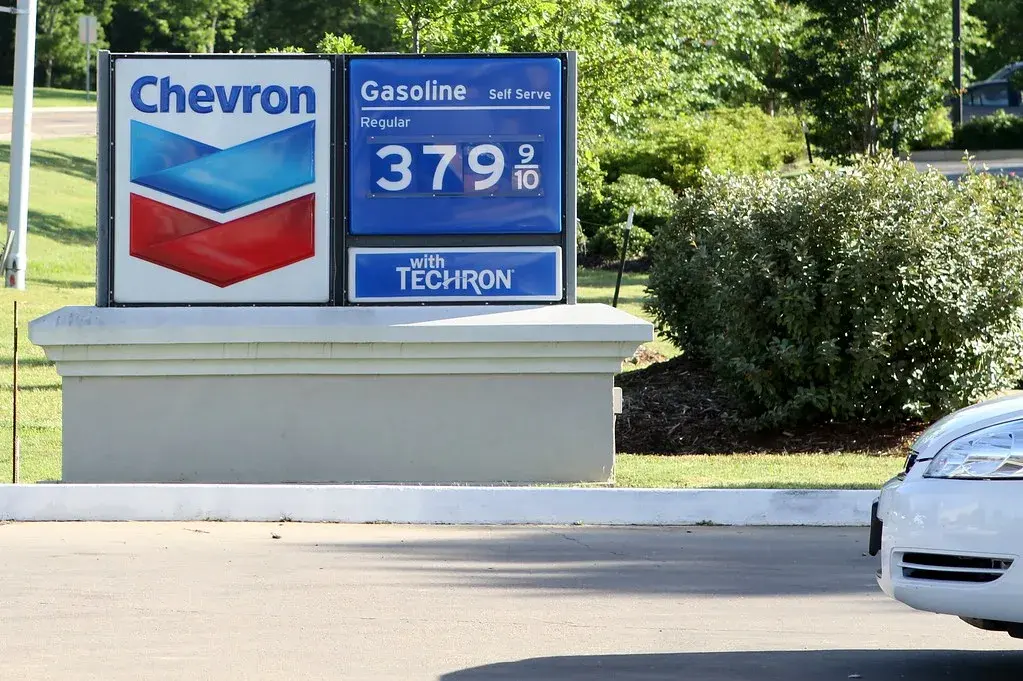
Record-Breaking Fuel Costs Hit California
California drivers faced a stark economic milestone this week as the average price for a gallon of regular gasoline climbed to $6.06, according to data released Friday by the American Automobile Association (AAA). This surge marks the highest fuel costs observed in the state in four years, while the national average simultaneously escalated to $4.39 per gallon.
The sudden increase in pump prices comes after a brief two-week period of decline, surprising many analysts who expected a sustained downward trend. Across the United States, consumers have faced a cumulative $21.7 billion increase in fuel spending since the onset of the conflict involving the U.S. and Iran, a factor that continues to place immense pressure on global oil markets.
The Context of Global Market Volatility
The current price spike is driven by a complex interplay of international geopolitical tensions and domestic supply chain constraints. Historically, California has maintained the highest fuel prices in the nation due to its unique environmental regulations, specific fuel blend requirements, and high state taxes. However, the current volatility is largely tied to broader global energy instability.
Despite the high costs at the pump, major energy corporations are navigating a paradox of falling quarterly earnings. Exxon and Chevron recently reported a decline in profits, highlighting the disparity between the retail prices paid by consumers and the operational costs and market conditions faced by oil giants. This disconnect suggests that price hikes are not merely reflecting corporate gains, but are heavily influenced by external market forces and supply chain bottlenecks.
Economic Impacts on Consumers and Industry
The financial burden of rising fuel prices is rippling through the broader economy, impacting everything from logistics and shipping costs to the discretionary spending power of American households. For many, the commute to work or the transport of essential goods has become significantly more expensive, effectively acting as an invisible tax on economic activity.
Industry experts emphasize that the current situation is unsustainable for long-term consumer confidence. “When fuel prices rise this rapidly, we see immediate shifts in consumer behavior,” noted energy market analyst Sarah Jenkins. “Households prioritize essential travel and cut back on non-essential spending, which can have a cooling effect on the retail and tourism sectors.”
Looking Ahead: Market Projections
As the market moves forward, analysts are closely monitoring the stability of global oil supply chains and the potential for federal intervention. The primary focus for the coming months will be whether production levels can increase sufficiently to meet demand, or if structural shifts in energy consumption will be necessary to mitigate future price shocks.
Observers should watch for upcoming quarterly reports from major energy producers to see if production capacity improves or if market volatility remains the status quo. Additionally, legislative discussions regarding fuel tax holidays or energy subsidies may gain momentum if the national average continues to hover near the $4.50 threshold, potentially shaping the political landscape heading into the next fiscal quarter.