Security Crisis Forces Industrial Shutdown
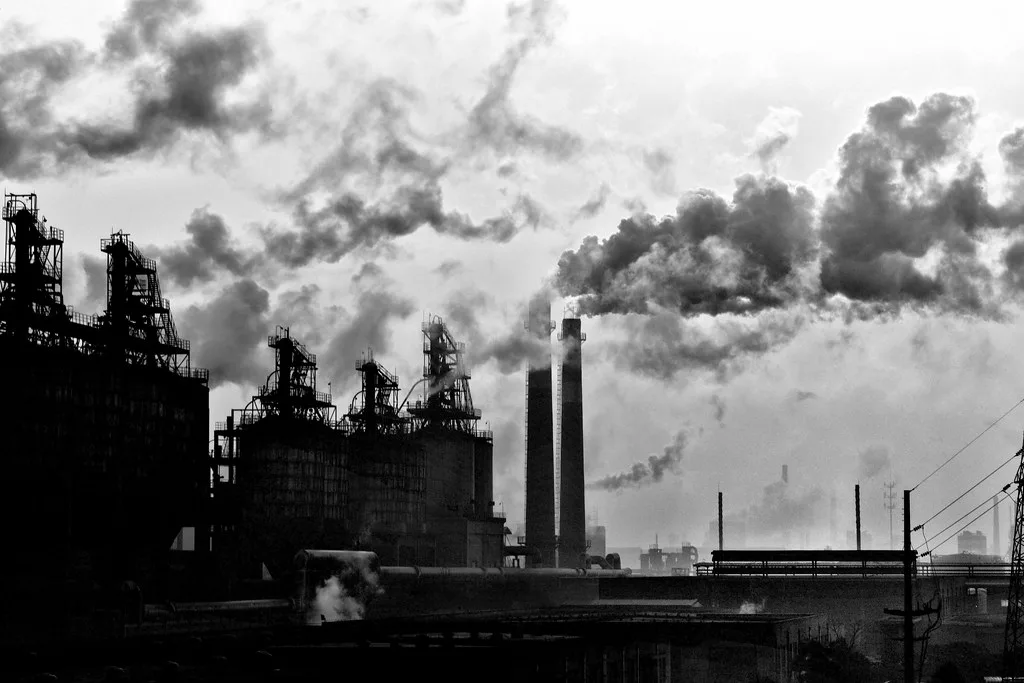
Libya’s largest oil refinery, located in Zawiya, suspended all operations on Tuesday as a direct result of intensifying armed clashes in the surrounding region. The National Oil Corporation (NOC) confirmed the shutdown as a necessary precautionary measure to protect personnel and infrastructure after local reports indicated a surge in gunfire and explosions near the facility.
The Zawiya refinery, which accounts for a significant portion of Libya’s domestic fuel processing capacity, serves as a vital hub for Western Libya. The emergency closure marks a critical escalation in the country’s ongoing security instability, which has long threatened the North African nation’s efforts to stabilize its energy sector.
Contextualizing Libya’s Fragile Energy Infrastructure
Libya holds the largest proven oil reserves in Africa, yet its energy sector remains highly susceptible to the country’s decade-long political fragmentation. The Zawiya facility is particularly strategic, as it processes crude oil from the Sharara field—the country’s largest—and supplies refined petroleum products to the capital, Tripoli, and surrounding areas.
Historically, the refinery has been a target for various armed groups seeking to exert political leverage. Previous blockades and security breaches have repeatedly forced the NOC to declare force majeure, a legal mechanism that exempts the company from contractual obligations due to circumstances beyond its control.
The Impact of Armed Conflict on Production
The sudden halt in operations has sparked immediate concerns regarding domestic fuel shortages. With the Zawiya refinery offline, the government faces the dual challenge of managing a potential supply crisis while navigating the complex security landscape that led to the current standoff.
Energy analysts note that the volatility of the Sharara field and the Zawiya refinery creates a domino effect across the Libyan economy. When these sites are compromised, the national budget—which relies almost exclusively on hydrocarbon exports—suffers, further complicating the government’s ability to pay civil servants and maintain essential services.
Expert Perspectives on Energy Security
“The closure of Zawiya is not merely a localized security event; it is a systemic shock to the Libyan energy grid,” says Dr. Ahmed Al-Mabrouk, an energy policy researcher. “Without a secure corridor for oil transport and processing, the country remains trapped in a cycle of production volatility that prevents long-term economic recovery.”
Data from the NOC indicates that even temporary shutdowns can result in multi-million dollar losses in daily revenue. Furthermore, the equipment at the Zawiya facility is aging and requires consistent maintenance; prolonged exposure to conflict-related risks increases the likelihood of technical failures that could take months, or even years, to repair.
Future Implications for the Energy Market
Industry observers are now closely monitoring the security situation in the Zawiya district to determine when, or if, it will be safe to resume operations. Should the fighting persist, the international community may see increased pressure on global oil prices, as traders factor in the potential for extended Libyan supply disruptions.
Looking ahead, the focus remains on whether the NOC can negotiate a neutral zone for its critical infrastructure. The ability of the government to secure these assets will determine the short-term stability of Libya’s domestic fuel market and the country’s broader fiscal health in the coming quarter.