




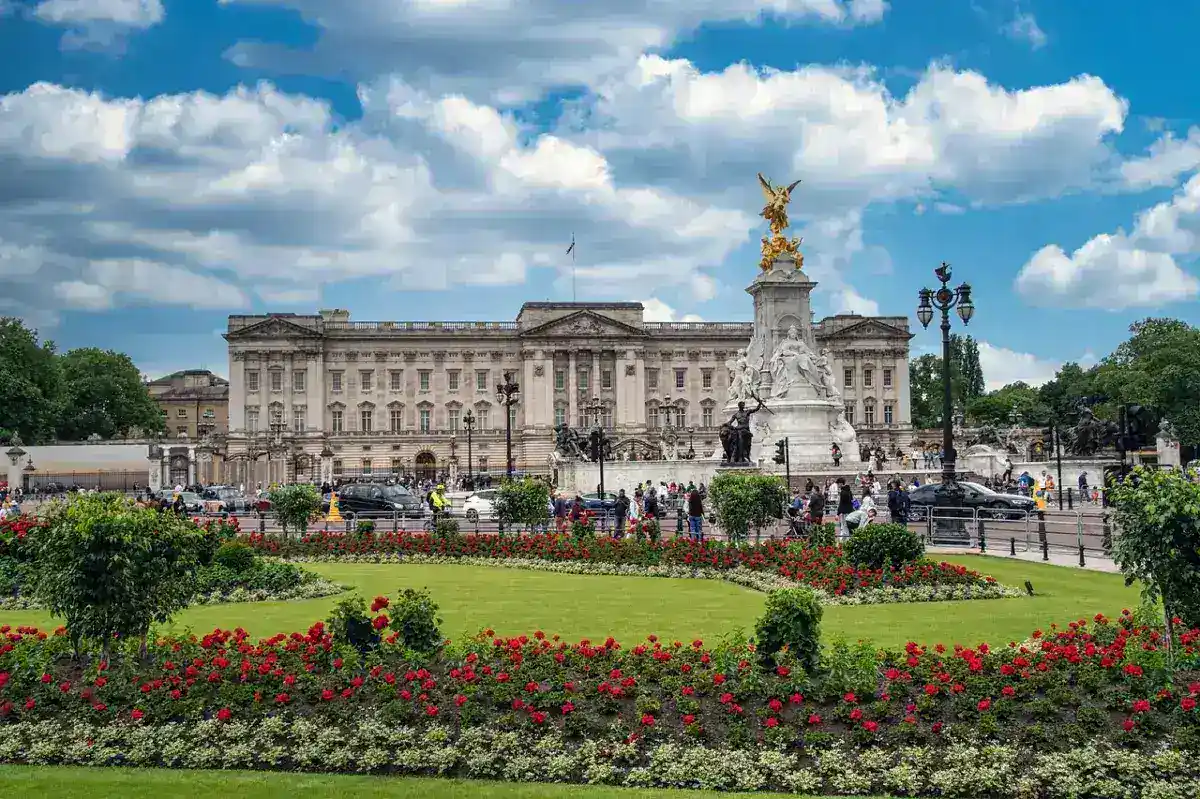
A group of anti-monarchy activists gathered outside the gates of Buckingham Palace in London this week, staging a coordinated ‘No Kings’ protest to challenge the continued relevance of the British royal family. The demonstration, organized by the campaign group Republic, saw participants hold placards and banners in a public call for the abolition of the monarchy in favor of an elected head of state.
Context of the Movement
The protest is the latest in a series of public displays organized by Republic, an organization that has been campaigning for decades to replace the monarch with an elected official. While the British monarchy enjoys significant historical and cultural support, recent years have seen a gradual shift in public discourse regarding the institution’s cost to the taxpayer and its role in modern governance.
The Scope of the Protest
Demonstrators arrived at the palace gates on a weekday, utilizing the high-traffic location to maximize visibility among both tourists and local commuters. The group, which frequently uses the slogan ‘Not My King,’ expressed concerns regarding the transparency of the Sovereign Grant and the hereditary nature of the head of state position.
Police monitored the demonstration as protesters chanted slogans and distributed literature to passersby. The event remained peaceful, with the Metropolitan Police reporting no significant disruptions to public order during the hours of the protest.
Expert Perspectives and Public Sentiment
Recent polling data from YouGov indicates that while a majority of the British public still supports the monarchy, support among younger demographics—specifically those aged 18 to 24—has shown a marked decline over the last decade. Political analysts suggest that the ongoing debate is fueled by broader questions regarding social inequality and the modernization of British constitutional arrangements.
Dr. Sarah Jenkins, a political sociologist, notes that such protests represent a growing desire for democratic accountability. ‘These movements are not just about the individuals in the royal family, but are symptomatic of a wider push for institutional reform across various sectors of British society,’ Jenkins observed.
Implications for the Future
The frequency of these protests suggests that the anti-monarchy movement is entering a more active phase of political engagement. With the transition to a new reign, activists are leveraging the period of national change to push for a broader public conversation about the future of the constitution.
Observers should watch for how the government responds to these calls for a referendum or legislative reform. As the debate continues, the tension between tradition and the evolving democratic expectations of the public will likely remain a focal point of national political discourse throughout the coming year.