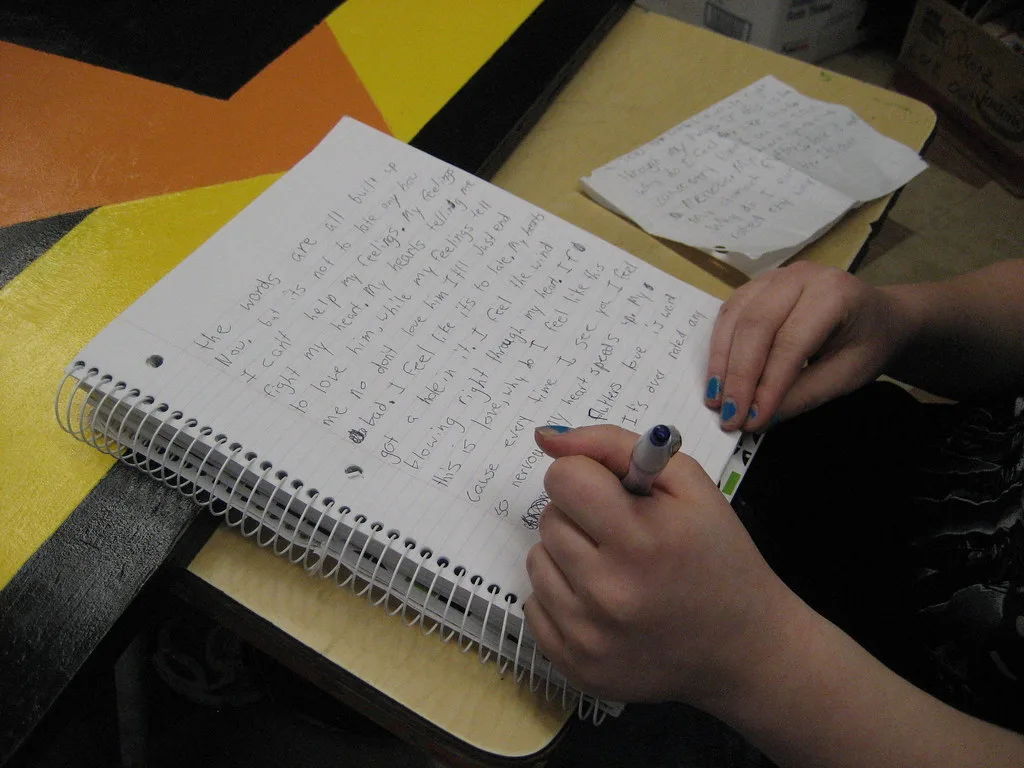
Micah Nathan, a fiction writing instructor at the Massachusetts Institute of Technology (MIT), recently exposed a widespread trend among his students: the pervasive use of artificial intelligence to generate fiction assignments. This revelation, which emerged during honest classroom confessions, has ignited a broader conversation within academia about the future of creative expression, the loss of critical thinking skills, and the changing nature of the writing process in a post-generative AI world.
The Shift in Academic Integrity
Since 2017, Nathan has utilized traditional workshop methods, requiring students to provide rigorous, signed peer reviews of their classmates’ fiction. However, the arrival of large language models has fundamentally altered the landscape of the classroom, making it easier for students to bypass the arduous process of drafting, revising, and refining their prose.
The primary issue identified by educators is not merely the presence of AI-generated text, but the quality of the output. Nathan notes that AI produces prose that is often technically proficient yet profoundly mediocre, lacking the unique, human-centric struggle of translating abstract thought into meaningful narrative.
The Value of the Writing Struggle
For many students, the allure of AI lies in its ability to solve the “blank page” problem, but experts argue that this convenience comes at a significant cost. The act of writing is inherently tied to the act of thinking; when students outsource the generation of sentences to algorithms, they often abandon the critical cognitive labor required to develop a coherent voice or a nuanced argument.
Data from recent academic surveys suggest that while students are increasingly reliant on AI for brainstorming and structural assistance, this dependency can stunt the development of original creative intuition. By skipping the “struggle” of composition, students may miss the formative experiences that lead to deeper intellectual growth and personal expression.
Institutional Responses and Pedagogical Changes
Higher education institutions are now grappling with how to adapt their curricula to this new reality. Some universities are moving away from take-home assignments, opting instead for in-class writing sessions where technology can be monitored or restricted. Others are integrating AI literacy into their syllabi, teaching students how to use these tools ethically as brainstorming aids rather than replacements for their own creative output.
The challenge remains how to preserve the “boldness of spirit” required for effective peer review when the source material itself may be synthetic. Nathan emphasizes that the goal of a writing workshop is not just to produce a polished document, but to foster human connection and critical inquiry through shared feedback.
Future Implications for Creative Industries
As AI continues to evolve, the distinction between human and machine-generated content will likely become increasingly blurred. Readers should look for a potential “human-premium” to emerge in the literary market, where writing that demonstrates unique perspective, lived experience, and stylistic idiosyncrasy is valued more highly than algorithmically optimized text.
Moving forward, the focus of creative writing instruction will likely shift toward the analysis of intent rather than just the final product. Educators will need to prioritize teaching students how to curate and edit AI outputs, ensuring that the human voice remains the primary driver of narrative structure, while maintaining the integrity of the creative process as a fundamentally human endeavor.