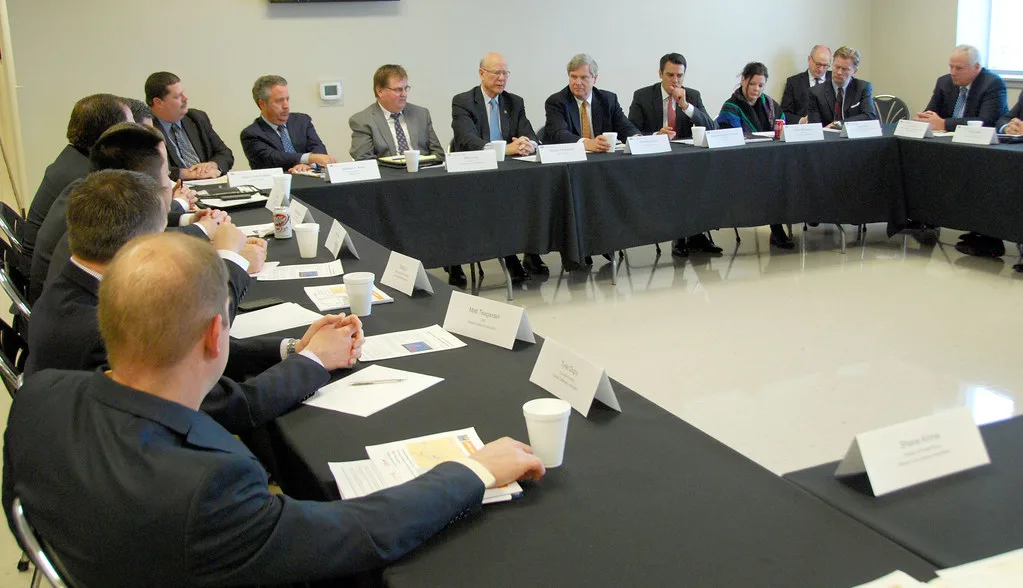
Commerce and Industry Minister Piyush Goyal has initiated a series of high-level consultations with industry associations, businesses, and export promotion councils (EPCs) this week in New Delhi to develop a comprehensive plan aimed at maximizing the utilization of Free Trade Agreements (FTAs). The government aims to address the persistent gap between signed trade deals and actual business participation, ensuring that domestic manufacturers fully capitalize on preferential market access to boost national exports.
Understanding the FTA Utilization Gap
Free Trade Agreements are designed to reduce barriers to trade, including tariffs and quotas, between participating nations. However, government data suggests that a significant percentage of businesses, particularly micro, small, and medium enterprises (MSMEs), often fail to leverage these benefits due to complex rules of origin, documentation hurdles, and a lack of awareness regarding specific duty concessions.
Historically, utilization rates for various trade pacts have remained suboptimal, often hovering well below potential thresholds. By bringing together key stakeholders, the Ministry of Commerce and Industry seeks to identify the specific operational bottlenecks that prevent exporters from claiming duty-free or reduced-duty advantages when shipping goods abroad.
Strategic Focus Areas for Industry Growth
The government’s new roadmap focuses on simplifying the administrative burden associated with ‘Rules of Origin’ compliance. These regulations are vital for preventing trade deflection but have frequently been cited by exporters as a primary barrier to entry.
Minister Goyal emphasized that the government is exploring digital solutions to automate the certification process. By streamlining these procedures, the administration hopes to lower the cost of compliance, which currently disproportionately impacts smaller firms compared to large-scale corporations.
Furthermore, the initiative intends to bridge the information asymmetry between the government and the private sector. The ministry plans to launch a dedicated digital dashboard that provides real-time information on tariff schedules, product-specific benefits, and updated regulatory requirements for partner countries.
Expert Perspectives and Data Insights
Trade economists suggest that the move is timely, especially as global supply chains undergo significant restructuring. According to recent trade analysis, nations that actively promote FTA awareness typically see a 15% to 20% increase in export volume within the first two years of implementing optimization programs.
Industry experts argue that while tariff reductions are the headline of any FTA, the real value lies in the harmonization of standards. “The focus must shift from merely signing agreements to creating an ecosystem where businesses can navigate the fine print with ease,” noted one representative from a leading export council.
Implications for the Future of Exports
For the average business owner, these developments signal a more proactive government stance on trade facilitation. If successfully implemented, the initiative will likely lead to improved profit margins for exporters who were previously unable to navigate the complexities of international trade law.
Looking ahead, stakeholders should monitor the upcoming launch of the government’s centralized digital portal for trade compliance. The success of this initiative will be measured by the increase in the utilization rate of existing FTAs over the next four fiscal quarters. Observers will also be watching for potential revisions to domestic manufacturing policies that align more closely with the specific requirements of international trade partners.