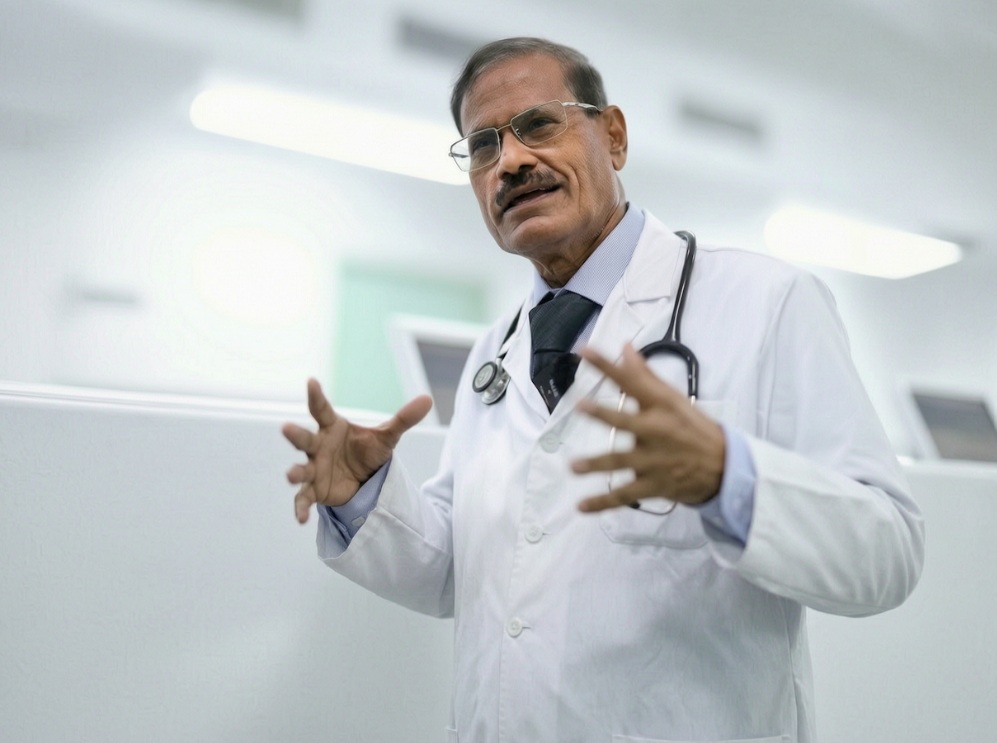

Puducherry-based nephrologist and Founder-Chairman of East Coast Hospitals, Dr. N. Murugesan, has introduced “Blue Nephrology”, a prevention-focused approach that seeks to identify and address metabolic and lifestyle risks affecting kidney health before they develop into serious disease.
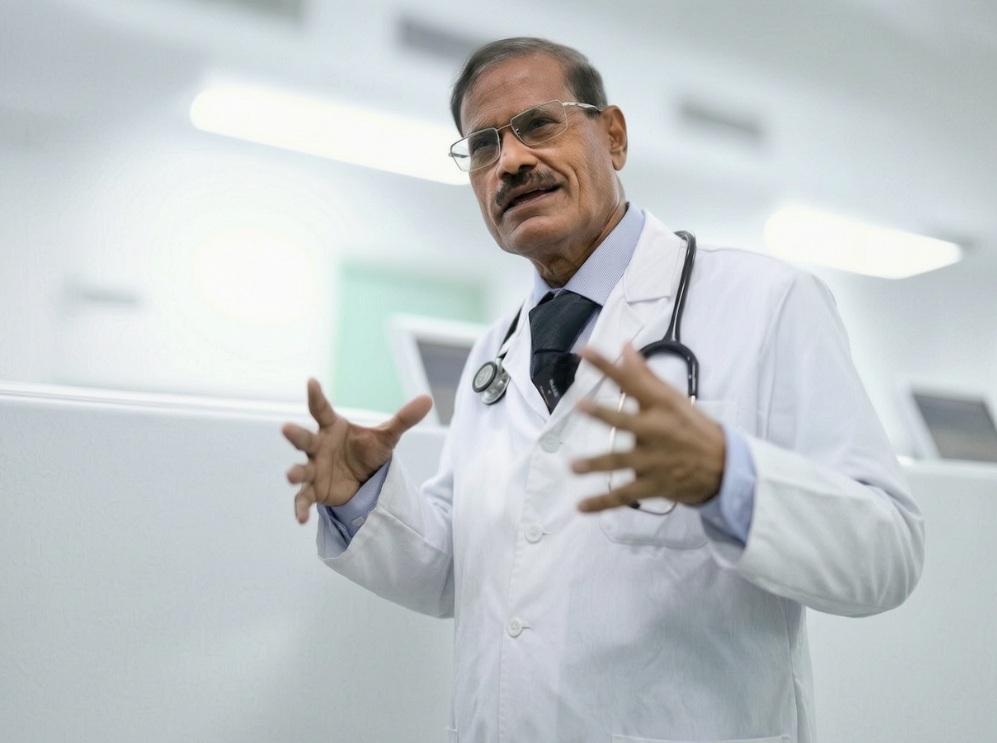 |
Dr. N. Murugesan
The concept forms part of the Blue India Movement, inspired by the world’s Blue Zones and their experience of healthier ageing. It proposes looking beyond the treatment of kidney disease to earlier risk factors such as insulin resistance, diabetes, hypertension and excessive sodium intake.
The Dr. Blue India Foundation, established by Dr. Murugesan in Puducherry in 2025, is translating the approach into community-level action through a Rs 30-crore philanthropic initiative to provide one lakh free insulin tests. The programme aims to identify metabolic risks among people who may not yet have obvious symptoms.
With more than five decades of medical service and over four decades in nephrology, Dr. Murugesan has spent much of his career treating kidney disease. His current focus is on moving kidney care further upstream—from treating disease after it develops to identifying risks earlier.
“We have traditionally asked how to treat kidney disease. The more important question is whether we can protect kidney health before disease develops,” said Dr. Murugesan.
For more than two decades, Dr. Murugesan has also worked on the health effects associated with excessive sodium intake and approaches to reducing sodium exposure. He sees kidney health as an important window into wider metabolic and cardiovascular health.
The larger objective is to shift the focus from treating disease after it appears to identifying and addressing health risks much earlier.
Dr. N. Murugesan
Dr. N. Murugesan is a nephrologist from Puducherry who has spent nearly four decades working in nephrology, kidney transplantation and tertiary healthcare. His career has combined clinical practice with institution building and, more recently, public-health initiatives aimed at early detection and prevention of chronic diseases resulting in overall healthy longevity.
Dr. Murugesan completed his MBBS in 1977, followed by his MD in 1981, and subsequently became the first in Soth India to get a DNB in Nephrology in 1987. He trained in nephrology under Padma Vibhushan Dr. M. K. Mani in Chennai.