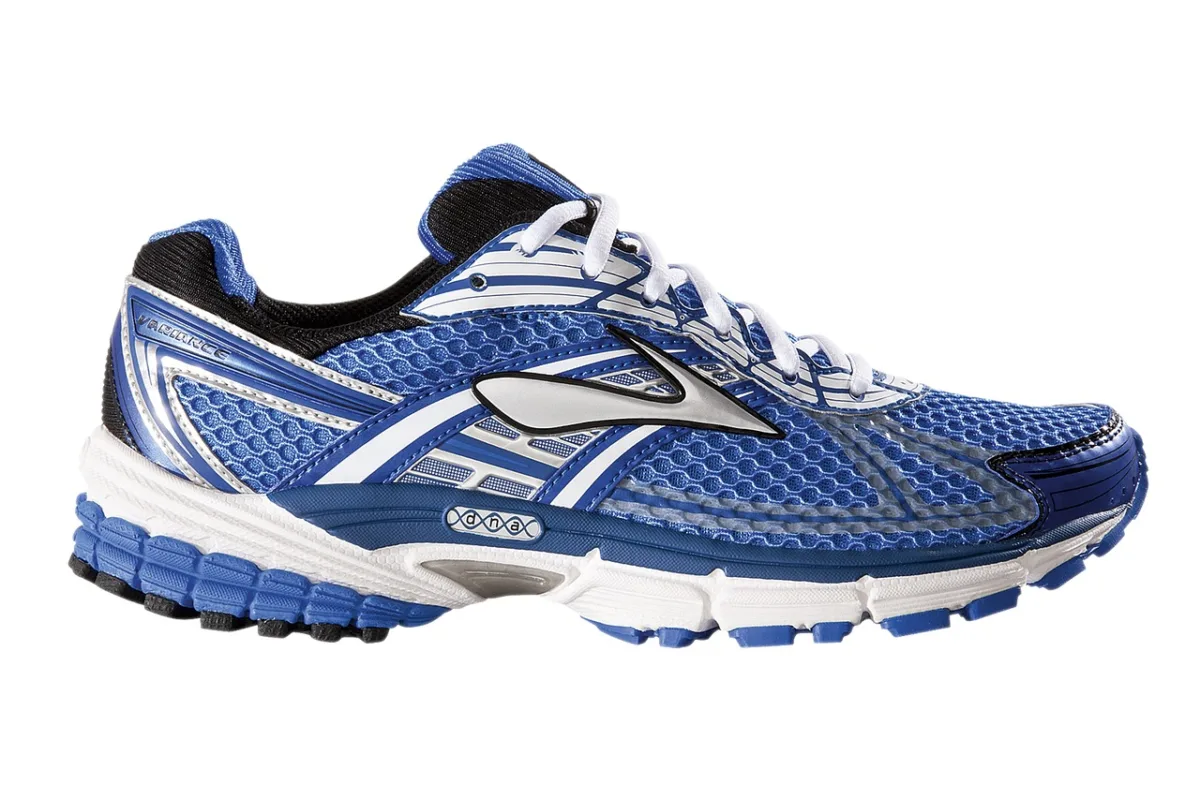
Under Armour has officially launched the Velociti Distance, a new high-mileage running shoe designed to bridge the gap between daily training comfort and performance-driven responsiveness. Released globally this week, the model aims to capture a segment of the market that demands a durable “workhorse” shoe capable of handling both slow recovery efforts and high-intensity speed work.
The Evolution of Daily Trainers
For years, the running footwear industry has been bifurcated into two distinct categories: soft, maximalist cruisers for daily miles and stiff, carbon-plated racers for competition. The Velociti Distance enters the market as a hybrid solution, leveraging Under Armour’s proprietary foam technology to offer a ride that remains consistent regardless of pace.
Market research from the footwear industry indicates that runners are increasingly seeking versatility to reduce the need for multi-shoe rotations. By focusing on a balanced durometer of foam, Under Armour is positioning this model as a primary tool for athletes who prioritize efficiency and longevity in their gear.
Engineering for Versatility
The core of the Velociti Distance lies in its midsole composition, which provides sufficient stack height for impact protection without sacrificing ground feel. Unlike many competitors that rely on overly plush, sinking foams, this model emphasizes energy return through a tuned geometry that encourages a smoother transition from heel to toe.
Testing data suggests that the shoe maintains its structural integrity over longer durations, a critical factor for marathon training cycles. The upper construction utilizes a lightweight, breathable mesh that secures the midfoot, addressing common complaints regarding lockdown in previous Under Armour iterations.
Expert Perspectives on Performance
Running biomechanics experts note that the shoe’s design reflects a broader trend toward “all-rounder” footwear. By optimizing the rocker profile, the brand has managed to mitigate the fatigue typically associated with long-distance road running.
“The inclusion of a more resilient foam compound allows the Velociti Distance to feel snappy during tempo intervals,” says footwear analyst Marcus Thorne. “It is a rare balance where the shoe doesn’t feel sluggish at lower speeds, nor does it feel unstable when the pace picks up.”
Industry Implications
The release signals a strategic pivot for Under Armour as it competes with established giants in the technical running space. For the average consumer, this means a shift toward footwear that offers better value through multi-purpose utility, potentially lowering the barrier to entry for serious distance training.
Looking ahead, industry observers will watch whether this design philosophy influences future iterations of the brand’s elite racing lineup. As materials science continues to advance, the distinction between training and racing shoes may continue to blur, placing greater pressure on manufacturers to deliver high-performance durability at accessible price points.