




Pilates has emerged as the definitive fitness trend of the 2020s, transforming from a niche rehabilitative practice into a global movement that currently dominates social media feeds and boutique gym memberships. Developed by Joseph Pilates in the early 20th century, the method has seen a massive surge in popularity across North America and Europe over the past three years, driven by a cultural shift toward low-impact, sustainable exercise routines.
A Legacy of Functional Strength
The method originated during World War I, when Joseph Pilates designed a series of exercises to rehabilitate injured soldiers, famously utilizing bed springs attached to hospital beds to create resistance. This historical foundation in physical therapy distinguishes Pilates from high-intensity interval training (HIIT), which focuses primarily on cardiovascular output and calorie burning.
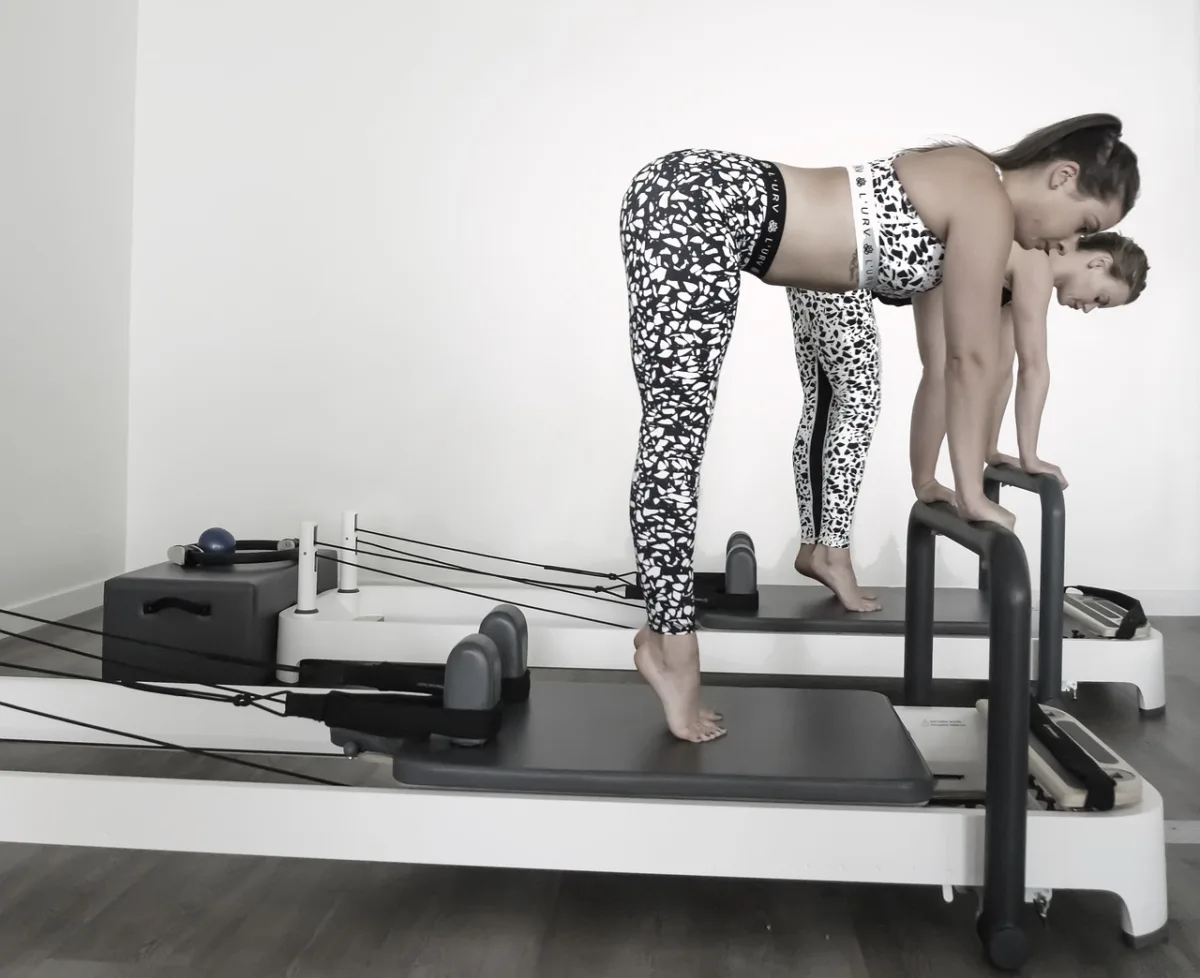
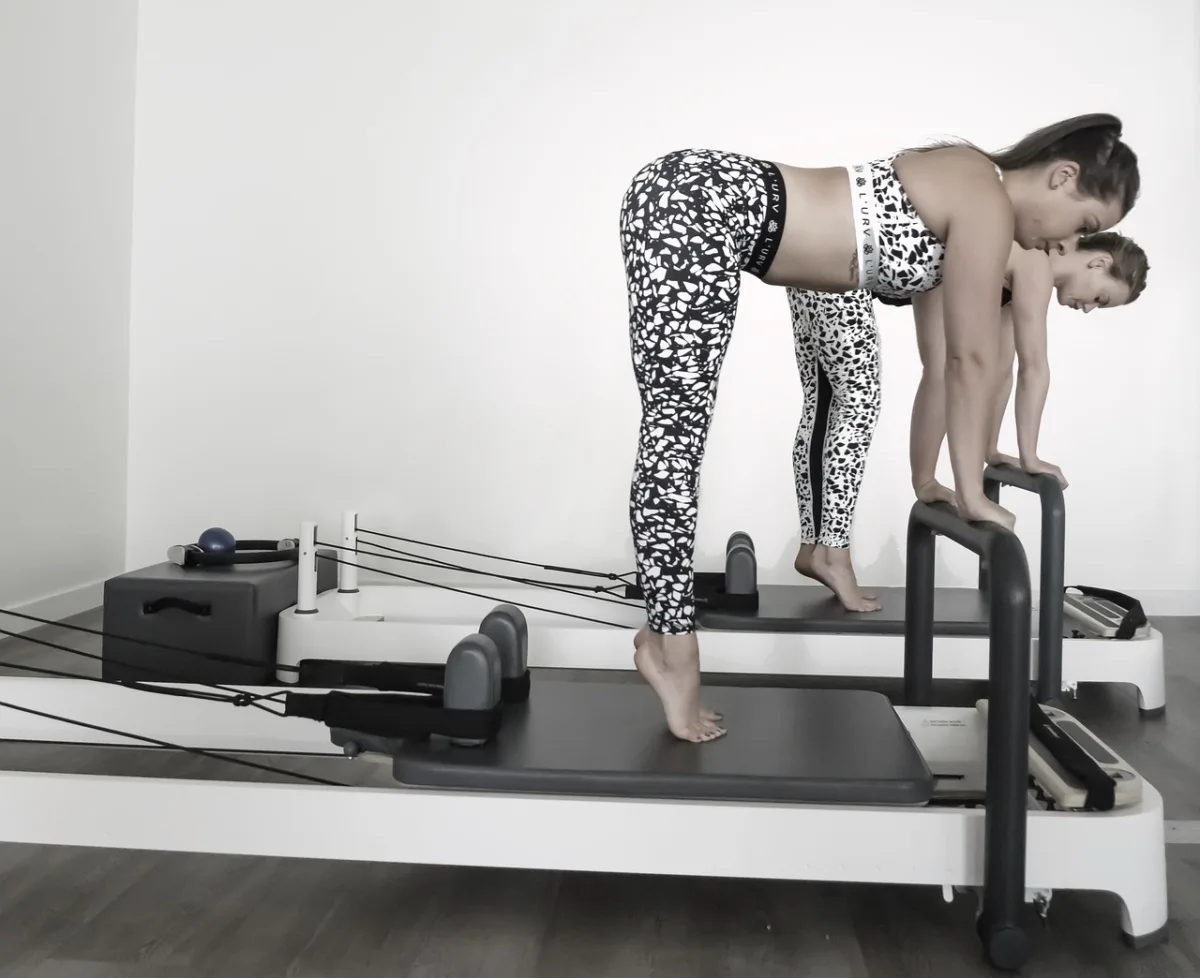
Today, the practice is categorized into two primary forms: Mat Pilates, which uses body weight for resistance, and Reformer Pilates, which utilizes a specialized machine to support and challenge the body. The movement’s current resurgence is largely attributed to its emphasis on core stability, postural alignment, and muscular endurance, offering a counter-narrative to the high-stress, high-impact workouts that dominated the previous decade.
The Data Behind the Movement
Market research from the Global Wellness Institute indicates that the mind-body fitness segment is growing at an annual rate of nearly 10%, with Pilates studios reporting record-high waitlists in major urban centers. Analysts suggest that the accessibility of digital platforms, such as Pilates-focused apps and streaming services, has lowered the barrier to entry for millions of new practitioners.
Dr. Elena Rossi, a sports physiologist, notes that the physiological benefits of Pilates are increasingly supported by clinical data. “The focus on eccentric muscle contractions—lengthening the muscle under tension—provides a unique stimulus that improves joint health and prevents the overtraining injuries often associated with traditional weightlifting,” Rossi explained.
The Shift in Consumer Preferences
The modern consumer is increasingly prioritizing longevity and functional mobility over aesthetic-focused fitness goals. This shift has forced major gym chains to renovate their floor spaces, pivoting away from rows of cardio equipment to accommodate dedicated Pilates studios and reformer bays.
Furthermore, the aesthetic of Pilates—often characterized by minimalist studio designs and controlled, fluid movements—has found a natural home on visual-first social platforms like TikTok and Instagram. Influencers have effectively rebranded the practice as a lifestyle choice that emphasizes mental clarity and stress reduction alongside physical conditioning.
Future Outlook and Industry Trajectory
Industry experts predict that the next phase of the Pilates boom will involve deeper integration with wearable technology, allowing users to track muscle engagement and postural symmetry in real-time. As the aging population seeks more sustainable ways to maintain strength and mobility, the demand for certified Pilates instructors is expected to outpace current supply by 2026.
Investors should monitor the expansion of franchise-based studio models, which are currently standardizing the Pilates experience across suburban markets. The continued evolution of home-based reformer equipment suggests that the hybrid model of digital and in-person training will remain the industry standard for the foreseeable future.