





Public Health Protocols Triggered in Bordeaux
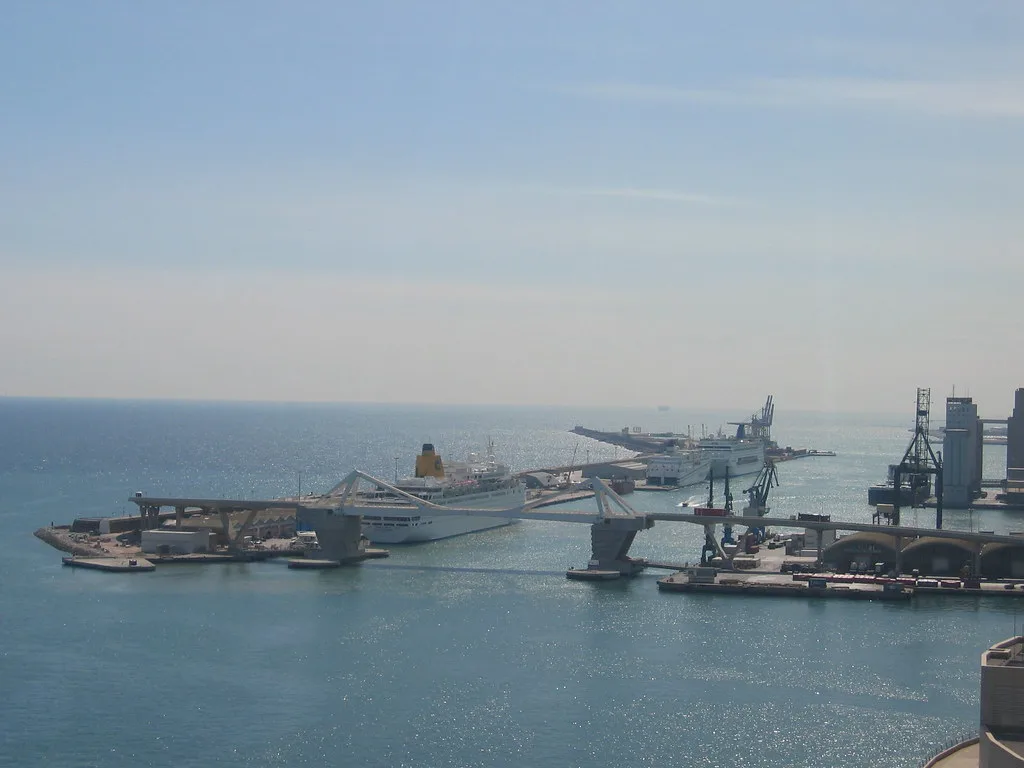
French authorities enforced a brief quarantine on a cruise ship docked in Bordeaux on Wednesday after approximately 50 passengers exhibited symptoms consistent with norovirus. The vessel, which had been navigating regional waters, was placed under restricted access while medical teams assessed the health status of those on board to prevent further spread of the highly contagious virus.
Understanding Norovirus in Maritime Environments
Norovirus is a leading cause of gastrointestinal illness worldwide, characterized by sudden onset of vomiting, diarrhea, and stomach pain. In the confined environment of a cruise ship, the virus can spread rapidly through direct contact, contaminated surfaces, or shared food and water supplies.
The Centers for Disease Control and Prevention (CDC) notes that while outbreaks on cruise ships garner significant media attention, they represent a small fraction of overall norovirus cases globally. Cruise lines operate under strict sanitation protocols, known as the Vessel Sanitation Program, which requires rigorous reporting of gastrointestinal illnesses to health authorities.
Containment and Medical Response
Upon notification of the spike in illness, local health officials in Bordeaux coordinated with the ship’s medical staff to isolate affected individuals. The quarantine allowed for deep-cleaning procedures to be conducted in accordance with international maritime health regulations.
Dr. Elena Rossi, an infectious disease specialist, notes that cruise operators are well-versed in these containment procedures. “The primary goal is to interrupt the transmission chain immediately,” Rossi stated. “By isolating symptomatic passengers and increasing sanitation frequency, the ship can typically return to normal operations within days.”
Data from the CDC’s Vessel Sanitation Program indicates that cruise ships are required to report when 2% or more of passengers or crew report symptoms of gastrointestinal illness. This threshold triggers an automatic public health investigation, ensuring that outbreaks are documented and managed transparently.
Broader Implications for the Cruise Industry
For the cruise industry, managing public perception regarding health and safety remains a critical priority. Following the global pandemic, cruise lines have invested heavily in enhanced air filtration systems and hospital-grade sanitation technologies to mitigate the risk of infectious outbreaks.
Travelers are increasingly aware of these health-related risks, leading to a shift in how cruise lines market their medical readiness. Many operators now provide real-time updates to passengers and maintain high-capacity medical facilities on board to handle surges in patient care.
Looking ahead, industry analysts suggest that cruise lines will continue to accelerate the adoption of automated sanitization technology and touchless infrastructure. Stakeholders will be watching closely to see if this incident impacts regional travel confidence or leads to more stringent port-of-call health inspections across European waters.