
Judicial Oversight and Student Rights
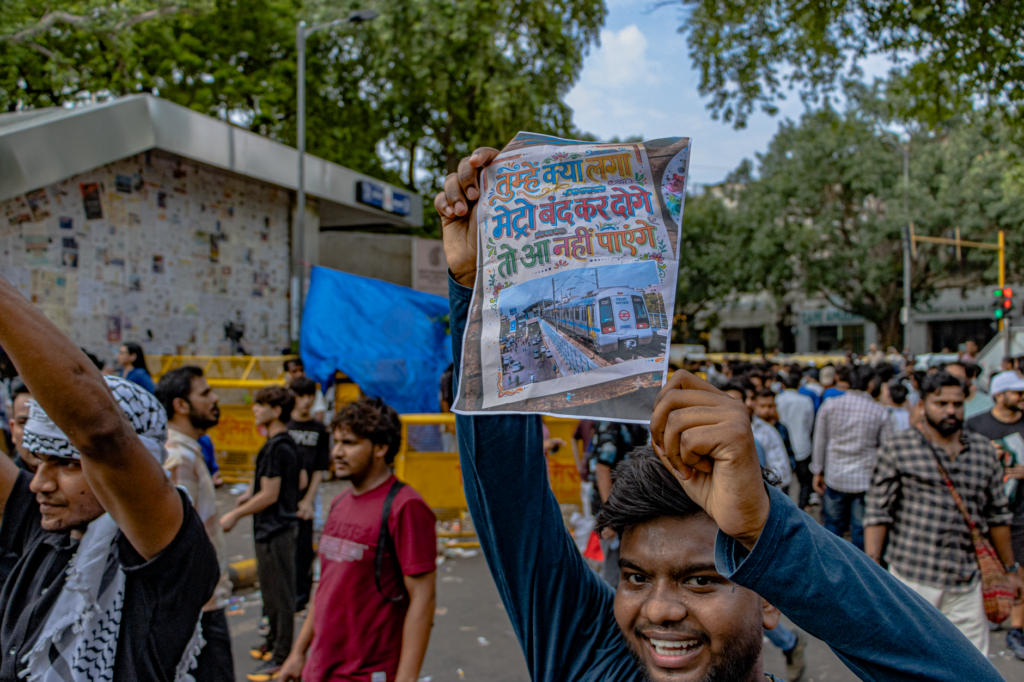
The highest judicial authority in the country recently expressed strong disapproval regarding a legal notice served to a student from Noida. The individual in question had reportedly participated in a demonstration organized by the Cockroach Janta Party at Jantar Mantar in the national capital. The sharp reaction from the bench highlights ongoing concerns regarding administrative overreach and the protection of civic rights for young citizens.
Background of the Demonstration
The controversy stems from a public gathering held at a prominent protest site in Delhi. Students and various activists often gather at these designated locations to voice their grievances and participate in political discourse. While demonstrations are a standard part of democratic expression, administrative actions following these events frequently draw legal scrutiny from higher judicial bodies.
Legal Implications and Judicial Response
The core of the recent hearing focused on the authority of local magistrates to issue notices to participants of peaceful or organized gatherings. Observers noted that the bench questioned the legal backing and rationale behind targeting an individual student for exercising a public presence. Such judicial interventions serve as a crucial check on administrative powers, ensuring that legal mechanisms are not misused to suppress student activism.
Broader Impact on Academic Freedom
Incidents involving students and official notices often ignite discussions about academic freedom and the right to peaceful assembly. Campus communities and legal experts closely monitor how courts handle these disputes, as the outcomes help shape the boundaries of civic participation for youth across the nation. The recent remarks from the judiciary reinforce the principle that constitutional rights must be safeguarded against arbitrary executive actions.