




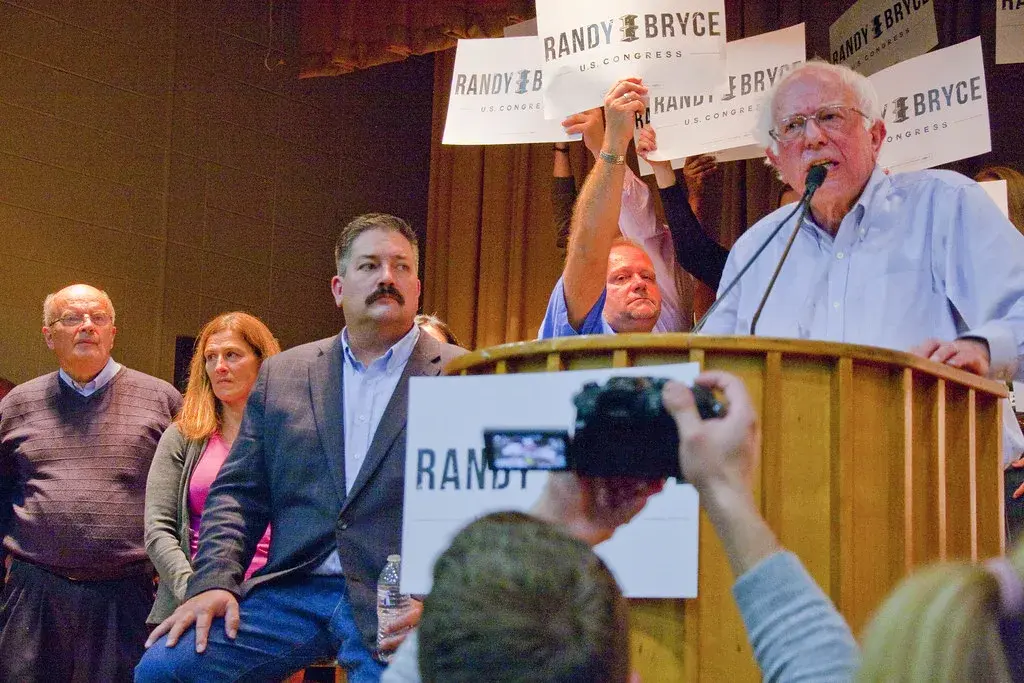
Senator Bernie Sanders announced a significant wave of endorsements this week, throwing his support behind five dozen candidates running for state and local offices across the United States. The move, timed as primary seasons intensify, aims to bolster a new generation of progressive leaders who have previously aligned with the Vermont senator’s platform on healthcare, economic inequality, and climate policy.
The Strategic Focus on Local Power
By focusing heavily on down-ballot races, Sanders is shifting his strategy from national presidential campaigns toward building a grassroots infrastructure. These endorsements target city councils, state legislatures, and mayoral seats, areas where policy implementation often has the most immediate impact on constituents.
Political analysts note that this approach mirrors the ‘political revolution’ model Sanders championed during his 2016 and 2020 runs. The goal is to create a durable pipeline of officials who are ideologically committed to democratic socialist principles, effectively insulating the progressive movement from shifts in national party leadership.
Context of the Progressive Movement
The progressive wing of the Democratic Party has seen mixed results in recent years, with high-profile congressional candidates facing stiff opposition from moderate incumbents and well-funded PACs. Sanders’ decision to pivot to local and state-level races suggests a recognition that legislative progress is often stalled at the federal level.
Data from the progressive organization ‘Our Revolution,’ which grew out of Sanders’ presidential bids, indicates that state-level policy changes in areas like minimum wage increases and criminal justice reform are frequently precursors to national shifts. By supporting candidates in these arenas, Sanders is attempting to set the agenda for the next decade of American governance.
Expert Perspectives on Electoral Strategy
Political strategists suggest that the effectiveness of these endorsements depends on the candidate’s ability to mobilize voters in low-turnout elections. ‘Endorsements from national figures like Sanders provide instant credibility and fundraising advantages,’ says Dr. Elena Rodriguez, a political scientist specializing in grassroots organizing. ‘However, success at the municipal level requires deep community ties that transcend national branding.’
While critics argue that a focus on ideological purity could fracture the Democratic coalition, supporters maintain that these candidates are essential for addressing the rising cost of living and housing instability. According to recent polling, voters in many of these districts prioritize local economic issues, which align closely with the policy pillars Sanders is emphasizing.
Future Implications and What to Watch
The success of these candidates will serve as a bellwether for the influence of the progressive movement in the post-Sanders era. If a significant number of these endorsees secure victories, it will signal that the ideological shift toward more aggressive social spending and labor rights remains a potent force in American politics.
Observers should watch for the primary results in key battleground states over the coming months. These outcomes will likely dictate whether the Democratic Party continues its internal push toward a more progressive platform or seeks a return to more centrist policy positions ahead of the general election cycle.